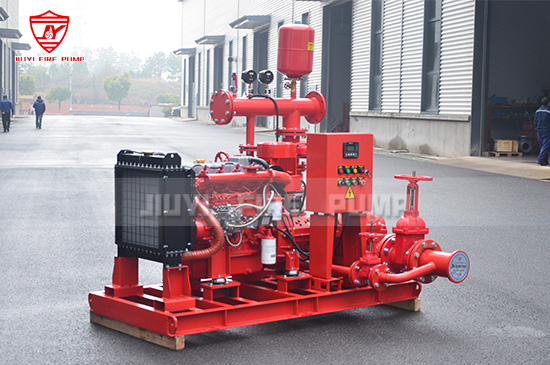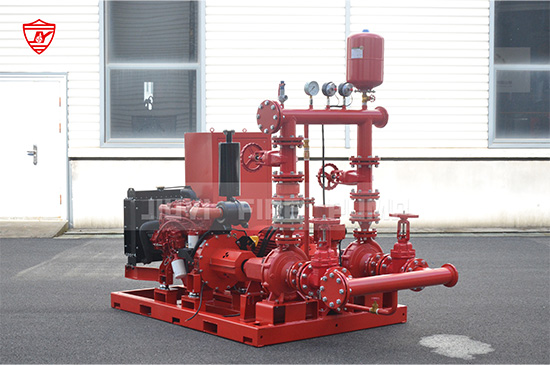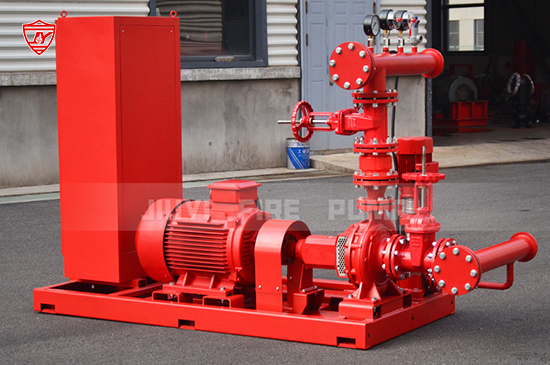
Fire emergencies can happen at any time and often without warning. In those critical moments, every second matters. A reliable fire protection system can mean the difference between controlling a fire quickly and facing devastating loss of life and property. Among all fire protection equipment, the fire pump plays one of the most important roles.
Fire pumps are designed to provide the water pressure required for firefighting systems such as sprinklers, hydrants, standpipes, and foam systems. When municipal water pressure is insufficient, the fire pump becomes the heart of the entire fire protection system. Without a dependable fire pump, even the most advanced sprinkler network may fail to perform effectively during an emergency.
For industrial facilities, commercial buildings, warehouses, airports, power plants, and residential complexes, reliable fire pumps are not simply mechanical equipment. They are life-saving systems that protect people, operations, and investments.
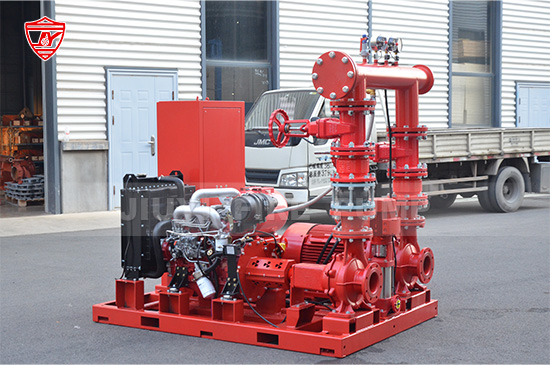
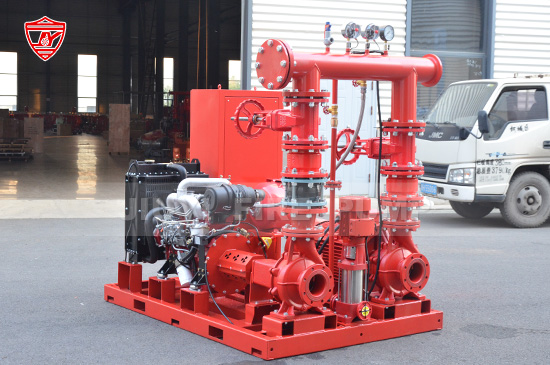
A fire pump is a specialized pump used in fire protection systems to increase water pressure and flow. During a fire emergency, sprinkler systems and hydrants require sufficient pressure to deliver water effectively to the affected area. In many buildings, the available water supply alone cannot meet these pressure requirements.
The fire pump solves this problem by boosting water pressure and ensuring a steady water supply during firefighting operations. Fire pumps are commonly powered by electric motors or diesel engines, depending on the application and project requirements.
Typical fire pump systems include:
Each type is designed for specific environments and fire protection needs, but all share one common purpose: delivering reliable performance when lives are at risk.
A fire emergency creates an extremely challenging environment. Heat spreads rapidly, smoke reduces visibility, and panic can make evacuation more difficult. In these situations, firefighters and building occupants depend heavily on fire protection systems to work immediately and efficiently.
A reliable fire pump ensures:
If a fire pump fails during an emergency, the consequences can be catastrophic. Low water pressure or interrupted water flow can allow flames to spread quickly throughout a building. This can increase injuries, fatalities, and property damage significantly.
Reliability is not only about performance under normal conditions. A dependable fire pump must operate under extreme stress, sometimes after long periods of inactivity. This is why high manufacturing standards, strict testing, and proper maintenance are essential.
The primary purpose of every fire protection system is to save lives. Reliable fire pumps directly support this goal by enabling fire suppression systems to operate effectively from the earliest stages of a fire.
Automatic sprinkler systems rely on adequate water pressure to activate correctly. When a fire starts, sprinklers help contain or extinguish flames before they spread uncontrollably. A reliable fire pump ensures that enough water reaches every sprinkler head with sufficient pressure.
This early response is critical because:
In hospitals, schools, shopping centers, hotels, and industrial facilities, large numbers of people may need to evacuate quickly during a fire. Reliable fire pumps help create safer conditions and improve survival rates during emergencies.
Fire can destroy buildings, equipment, inventory, and infrastructure within minutes. For businesses, fire damage can lead to enormous financial losses, operational downtime, and long-term disruption.
Reliable fire pumps help minimize property damage by ensuring rapid fire suppression. When water is delivered quickly and effectively, flames can often be controlled before they spread throughout the structure.
This is especially important for:
In industrial environments, fire can also trigger secondary hazards such as explosions, chemical leaks, or electrical failures. Reliable fire pumps help reduce these risks by supporting fast emergency response.
Firefighters depend on strong and stable water pressure to control fires effectively. In large buildings or industrial facilities, municipal water pressure alone is often insufficient to support firefighting operations.
Reliable fire pumps provide:
Without dependable fire pumps, firefighters may struggle to control flames, especially in high-rise buildings, remote facilities, or large industrial sites.
Reliable equipment also reduces operational risks for firefighting teams. When water systems perform as expected, firefighters can focus on rescue and suppression efforts with greater confidence and efficiency.
Reliable fire pumps are typically designed and manufactured according to internationally recognized standards. Compliance with standards helps ensure safety, performance, and reliability during emergencies.
Important standards include:
NFPA 20 establishes guidelines for the installation and performance of stationary fire pumps. UL listed and FM approved fire pumps undergo rigorous testing to verify their quality and reliability.
For building owners, contractors, and engineers, choosing compliant fire pumps helps ensure:
Working with an experienced fire pump manufacturer is essential to ensure the equipment meets all project and safety requirements.
Although fire pumps are designed for emergency operation, failures can still occur if systems are poorly designed, improperly maintained, or manufactured with low-quality components.
Common causes of failure include:
Many fire pumps remain inactive for long periods and are only used during emergencies or testing. Without regular inspection and maintenance, hidden problems may go unnoticed until a real fire occurs.
This is why weekly testing, periodic inspections, and preventive maintenance are critical for long-term reliability.
The reliability of a fire pump begins with its design and manufacturing quality. High-quality fire pumps are built using durable materials, precision engineering, and strict quality control processes.
Professional fire pump manufacturers typically focus on:
Factory testing plays an important role in verifying performance before delivery. Many manufacturers conduct flow testing, pressure testing, hydrostatic testing, and performance verification to ensure every fire pump meets operational requirements.
Choosing a trusted manufacturer helps customers reduce long-term maintenance costs and improve system reliability.
Even the best fire pump requires proper maintenance to remain reliable. Regular maintenance ensures the system is always ready for emergency operation.
A comprehensive maintenance program typically includes:
Routine maintenance helps identify small issues before they become major failures. It also extends equipment lifespan and improves operational safety.
Building owners should work with qualified fire protection professionals to establish maintenance schedules that comply with local regulations and NFPA standards.
Selecting the right fire pump manufacturer is one of the most important decisions for any fire protection project. A reliable manufacturer provides not only equipment, but also technical expertise, testing support, and long-term service.
When evaluating a fire pump manufacturer, consider:
A professional manufacturer understands the importance of reliability because fire pumps are not ordinary industrial equipment. They are critical life safety systems that must perform perfectly during emergencies.
As buildings become larger and industrial facilities become more complex, the importance of reliable fire protection systems continues to grow. Modern fire pump systems are evolving with advanced monitoring technologies, automation, and improved energy efficiency.
However, the core mission remains unchanged: protecting lives and property during fire emergencies.
Reliable fire pumps continue to serve as the foundation of effective fire protection systems worldwide. Whether installed in a high-rise building, factory, warehouse, or power plant, their performance during emergencies can directly impact survival and safety.
Reliable fire pumps save lives because they provide the water pressure and performance required to control fires quickly and effectively. They support sprinkler systems, hydrants, and firefighters during the most critical moments of an emergency.
Without dependable fire pumps, fire protection systems may fail when they are needed most. This can lead to greater loss of life, severe property damage, and increased operational risks.
For building owners, engineers, contractors, and fire protection professionals, investing in high-quality fire pump systems is not just a regulatory requirement. It is a commitment to safety, reliability, and human life.