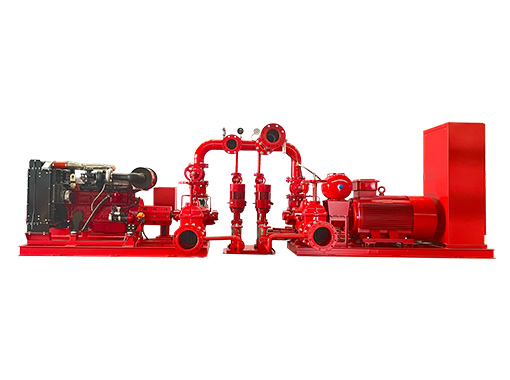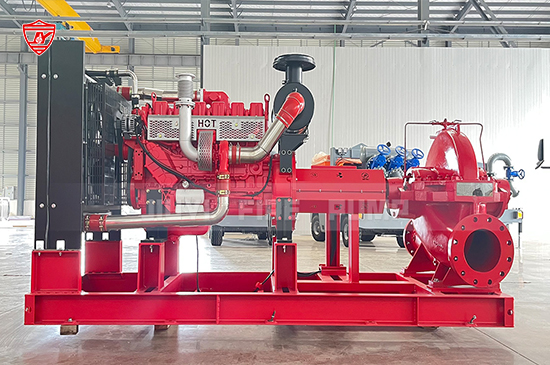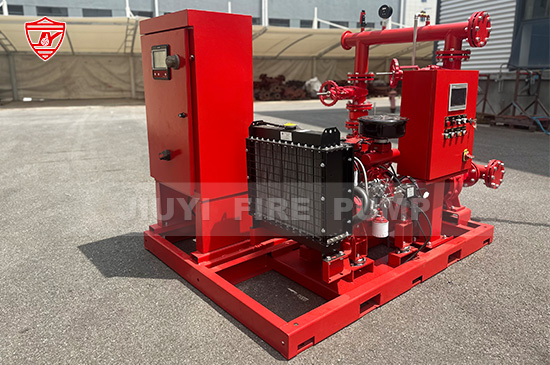
A fire pump is one of the most critical components of any fire protection system. During an emergency, it provides the pressure and water flow needed for sprinkler systems, standpipes, hydrants, and other firefighting equipment to perform effectively. However, installing a high-quality fire pump alone is not enough. The pump must be capable of starting immediately and operating continuously whenever a fire occurs.
This ability is known as fire pump operational readiness. It refers to the overall condition of a fire pump system that enables it to perform exactly as designed at any moment without delays or failures.
Operational readiness goes beyond routine maintenance. It includes proper installation, regular inspection, preventive maintenance, performance testing, reliable power or fuel supply, trained personnel, and continuous monitoring. Every element of the system must work together to ensure dependable operation during emergencies.
This article explains what fire pump operational readiness means, why it is essential, the factors that influence it, common causes of readiness failures, and best practices for maintaining a dependable fire pump system.
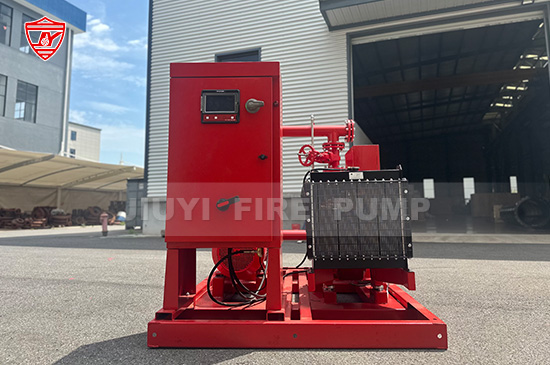
Fire pump operational readiness is the state in which a fire pump system is fully prepared to operate immediately whenever a fire protection system demands water pressure.
A ready fire pump should be able to:
Operational readiness applies to every type of fire pump, including:
Regardless of pump type, readiness depends on proper system management throughout the equipment's service life.
Fire emergencies develop rapidly. Even a short delay in water delivery can allow flames to spread, increasing property damage and endangering lives.
An operationally ready fire pump provides several important benefits.
The primary purpose of a fire pump is to deliver water instantly when sprinkler or standpipe systems require additional pressure.
If the pump cannot start immediately, the entire fire protection system may become ineffective.
Reliable water pressure helps suppress fires before they grow out of control. This protects building occupants, firefighters, and emergency responders.
Quick fire suppression minimizes structural damage, equipment loss, production downtime, and business interruption.
Many jurisdictions require regular inspection, testing, and maintenance of fire pump systems according to recognized standards and local regulations.
Maintaining operational readiness helps facility owners meet these requirements while reducing legal and financial risks.
Preventive maintenance identifies small issues before they become major failures. Replacing inexpensive wear components is far less costly than repairing extensive damage after an emergency failure.
Achieving operational readiness requires attention to multiple areas rather than focusing only on the pump itself.
Operational readiness begins during project planning.
The selected fire pump should match the building's hydraulic requirements, including:
An undersized or oversized pump may not perform efficiently during emergencies.
Even the highest-quality fire pump cannot perform properly if installation is incorrect.
Proper installation includes:
Commissioning verifies that every component functions as intended before the system enters service.
Electric fire pumps depend on a dependable electrical supply.
Important considerations include:
Diesel fire pumps require:
Any weakness in these supporting systems can prevent successful pump operation.
A fire pump cannot deliver water if the water source is inadequate.
Operational readiness requires verification of:
Water supply conditions should be evaluated periodically because municipal systems and storage facilities can change over time.
The controller serves as the brain of the fire pump system.
It must reliably:
Routine controller inspections ensure switches, relays, displays, alarms, and automatic functions continue working properly.
Routine inspections form the foundation of operational readiness.
Visual inspections often identify developing issues before equipment performance is affected.
Typical inspection items include:
Preventive maintenance should follow manufacturer recommendations while considering local operating conditions.
Maintenance activities may include:
A documented maintenance program significantly improves long-term reliability.
Inspection alone cannot confirm that a fire pump will perform correctly during an emergency.
Regular performance testing verifies actual operating capability.
Common testing activities include:
These tests verify that the pump starts automatically and operates correctly under no-flow conditions.
Operators monitor:
Flow testing confirms that the fire pump can deliver its rated performance.
Measurements typically include:
Performance data should be compared with previous test results to identify gradual deterioration.
New installations undergo acceptance testing before being placed into service.
This confirms that installation, controller settings, and pump performance meet project requirements.
Many fire pump failures occur because small issues are ignored over time.
Some of the most common causes include:
Without scheduled maintenance, wear gradually affects bearings, seals, engines, controllers, and other critical components.
Diesel engines may experience:
These issues can prevent engine starting.
Weak batteries remain one of the leading causes of diesel fire pump starting failures.
Battery voltage, charging systems, and cable connections should be checked regularly.
Electrical failures, damaged relays, sensor problems, or software faults may prevent automatic pump starting.
Routine testing helps identify these problems early.
Impellers, bearings, shafts, seals, and couplings naturally wear over time.
Ignoring abnormal vibration or unusual noises often leads to larger mechanical failures.
Closed or partially closed valves can prevent adequate water flow.
Valve supervision should be included in routine inspections.
Moisture, humidity, and water exposure gradually damage pumps, piping, valves, and electrical equipment.
Protective coatings and proper environmental control help reduce corrosion.
Maintaining readiness requires more than responding when problems occur.
A structured readiness program should include:
Create detailed inspection schedules covering daily, weekly, monthly, quarterly, and annual tasks.
Replace wear components before they fail rather than waiting for unexpected breakdowns.
Maintain records of:
Historical records make it easier to identify recurring issues.
Maintenance personnel should understand:
Well-trained technicians reduce the likelihood of human error.
Critical spare parts should remain readily available, including:
Quick access to replacement parts minimizes downtime.
Digital monitoring has significantly improved fire pump operational readiness.
Many modern fire pump systems now include:
These technologies allow facility managers to identify developing issues before they affect emergency performance.
Predictive maintenance also becomes more practical by analyzing trends instead of waiting for equipment failure.
Operational readiness begins with selecting dependable equipment from an experienced manufacturer.
A reputable manufacturer provides:
Manufacturers with extensive experience in fire protection understand the importance of reliability because every component may one day protect lives and valuable property.
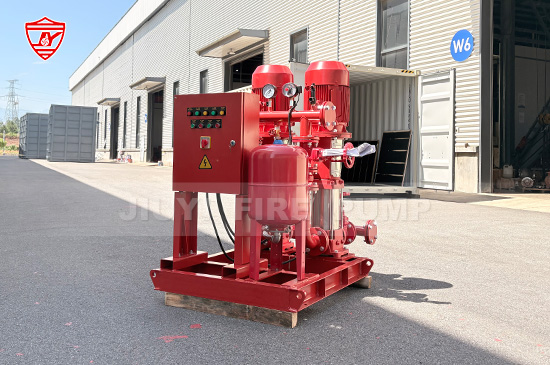
Fire pump operational readiness is far more than simply keeping a pump installed inside a pump room. It is an ongoing commitment to ensuring that every component of the fire pump system is fully prepared to respond immediately when an emergency occurs.
Through proper equipment selection, professional installation, routine inspections, preventive maintenance, regular performance testing, reliable power and water supplies, comprehensive documentation, and skilled personnel, facility owners can significantly improve the reliability of their fire protection systems.
For manufacturers, contractors, building owners, and maintenance teams, operational readiness should always remain a top priority. A well-maintained fire pump not only supports compliance with fire protection standards but also provides confidence that the system will perform when it is needed most—protecting lives, safeguarding property, and minimizing the impact of fire emergencies.