
Fire pumps are among the most critical components of any fire protection system. During a fire emergency, they provide the water pressure needed to operate sprinkler systems, standpipes, hydrants, and other firefighting equipment. Unlike many industrial pumps that run daily, fire pumps often remain idle for long periods and are expected to operate flawlessly when an emergency occurs. This unique operating condition makes reliability one of the most important characteristics of any fire pump.
Fire pump reliability assessment is the systematic process of evaluating whether a fire pump and its associated components can perform their intended function whenever required. It involves inspecting equipment, reviewing operating history, conducting performance tests, identifying potential failure points, and implementing preventive measures to reduce the risk of unexpected failures.
Whether a facility is a commercial building, manufacturing plant, warehouse, hospital, airport, data center, or petrochemical facility, assessing fire pump reliability helps ensure that fire protection systems remain operational throughout their service life.
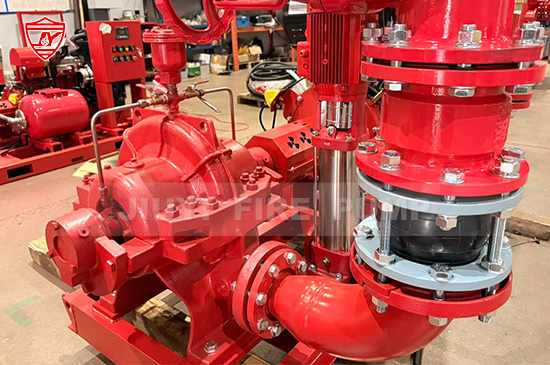
Reliability refers to the probability that a fire pump will successfully perform its intended duty under specified operating conditions for a given period of time.
A reliable fire pump should:
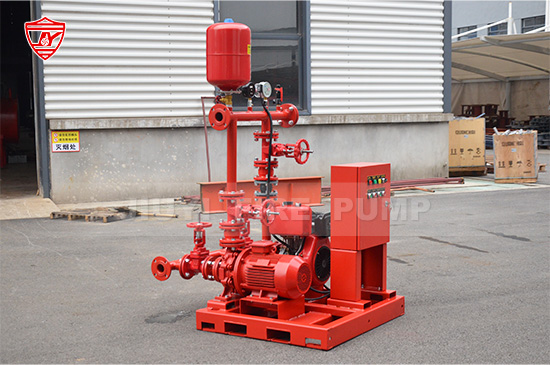
Reliability assessment focuses not only on the pump itself but also on the entire fire pump package, including the driver, controller, valves, piping, power supply, sensors, cooling systems, and supporting equipment.
Even a high-quality pump can become unreliable if supporting systems are poorly maintained or improperly installed.
The primary purpose of every fire protection system is to safeguard people and assets. A fire pump failure during an emergency can significantly reduce sprinkler effectiveness and increase fire damage.
Regular reliability assessments help identify hidden issues before they become critical failures.
Many industries require routine testing and maintenance of fire protection equipment to comply with applicable fire safety regulations and insurance requirements.
Reliability assessments provide documented evidence that the fire pump system is operating as intended.
Unexpected equipment failures often result in expensive repairs and increased operational risk.
Identifying worn components early allows maintenance teams to schedule repairs before failures occur.
Preventive maintenance is generally less expensive than emergency repairs.
Reliability assessments extend equipment life by identifying conditions that accelerate wear, such as vibration, misalignment, overheating, or corrosion.
Many facilities cannot afford extended shutdowns due to fire protection deficiencies.
Reliable fire pumps help ensure continuous operation and minimize production interruptions.
A comprehensive assessment examines every major part of the fire pump system.
Inspectors evaluate:
Any signs of corrosion, leakage, vibration, or unusual noise should be investigated.
The driver depends on the pump type.
For electric fire pumps, assessment includes:
For diesel engine fire pumps, additional inspections include:
The controller is responsible for automatically starting the pump.
Assessments verify:
Any malfunction may prevent the pump from starting during an emergency.
Reliable power is essential for electric fire pumps.
Inspection includes:
For diesel-driven pumps, reliability depends on fuel availability and battery performance.
Inspectors verify:
Even small obstructions can significantly affect pump performance.
Pressure gauges, flow meters, sensors, and monitoring equipment must provide accurate data.
Calibration and proper operation should be confirmed during assessments.
A detailed visual inspection is the first step.
Inspectors look for:
Visual inspections often reveal problems before they affect system performance.
Routine operational tests verify that the pump starts correctly and reaches operating conditions within the expected time.
These tests include:
Operational testing confirms that all major components function together.
Performance testing compares actual pump performance with design specifications.
Typical measurements include:
Performance curves help determine whether the pump continues to meet required operating conditions.
Increasing vibration often indicates developing mechanical problems.
Common causes include:
Regular vibration monitoring allows maintenance teams to detect faults early.
Infrared thermography identifies abnormal temperatures in electrical and mechanical equipment.
Hot spots may indicate:
Thermal inspections are especially useful for preventive maintenance.
For diesel engines and lubricated bearings, oil analysis provides valuable information about equipment condition.
Testing can detect:
Oil analysis often reveals internal wear before visible damage occurs.
High-quality materials and precision manufacturing improve long-term reliability.
Fire pumps manufactured with strict quality control generally experience fewer failures throughout their service life.
Even the best equipment may fail if installed incorrectly.
Proper installation includes:
Installation errors often reduce pump life.
Harsh environments accelerate equipment deterioration.
Potential challenges include:
Protective coatings and routine inspections help mitigate these risks.
Regular preventive maintenance remains one of the most effective ways to improve reliability.
Maintenance activities include:
Ignoring scheduled maintenance significantly increases failure risk.
Running pumps outside their recommended operating range can shorten equipment life.
Examples include:
Proper system design minimizes these risks.
Facilities should schedule a detailed reliability assessment if any of the following conditions occur:
Ignoring these warning signs can lead to unexpected equipment failure during an emergency.
Organizations can significantly improve system reliability by implementing several best practices.
Develop a structured preventive maintenance program based on manufacturer recommendations and applicable fire protection standards.
Conduct regular inspection and testing to identify problems before they become failures.
Maintain accurate maintenance records to track equipment history and recurring issues.
Use qualified technicians for installation, inspection, and repairs.
Replace worn components before catastrophic failure occurs.
Keep spare parts readily available for critical components such as batteries, bearings, seals, and controllers.
Monitor equipment performance using vibration analysis, thermal imaging, and condition monitoring technologies where appropriate.
Train maintenance personnel to recognize early signs of equipment deterioration.
Ensure diesel fuel remains clean and properly stored to prevent engine performance issues.
Regularly verify automatic start functions and backup power systems.
Fire pump manufacturers play a vital role in ensuring long-term system reliability.
A reputable manufacturer designs pumps using durable materials, precision machining, and rigorous quality control procedures. Factory performance testing verifies that each pump meets its specified hydraulic performance before shipment.
In addition, experienced manufacturers provide technical documentation, installation guidance, maintenance recommendations, spare parts support, and engineering assistance throughout the equipment lifecycle.
Selecting a manufacturer with extensive experience in fire pump engineering helps reduce operational risks and ensures consistent system performance over many years.
Digital technologies are transforming reliability management across the fire protection industry.
Modern monitoring systems can continuously collect operating data such as pressure, temperature, vibration, and motor performance. Predictive maintenance software analyzes these data to identify developing problems before failures occur.
Remote monitoring also allows facility managers to supervise multiple fire pump installations from centralized locations, improving maintenance planning and reducing response times.
As industrial facilities increasingly adopt smart building technologies, fire pump reliability assessment is expected to become more data-driven, enabling higher equipment availability and lower maintenance costs.
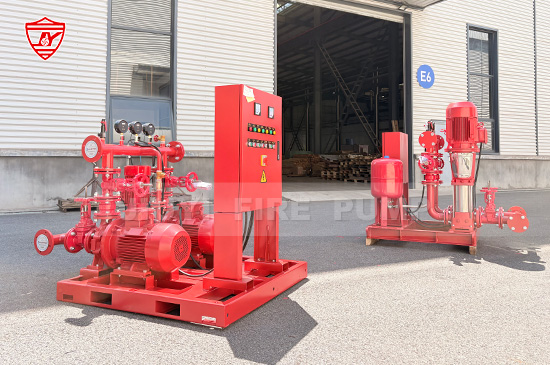
Fire pump reliability assessment is an essential practice for ensuring that fire protection systems perform when they are needed most. By evaluating pump condition, testing system performance, identifying potential failure modes, and implementing preventive maintenance strategies, facility owners can significantly reduce operational risks while extending equipment service life.
Reliability is not achieved through a single inspection but through continuous monitoring, regular testing, proper maintenance, and high-quality equipment. Investing in comprehensive reliability assessments helps protect lives, preserve valuable assets, maintain regulatory compliance, and support uninterrupted business operations.
For organizations responsible for critical fire protection infrastructure, making fire pump reliability assessment a routine part of maintenance planning is one of the most effective ways to ensure dependable performance in every emergency.
.jpg)