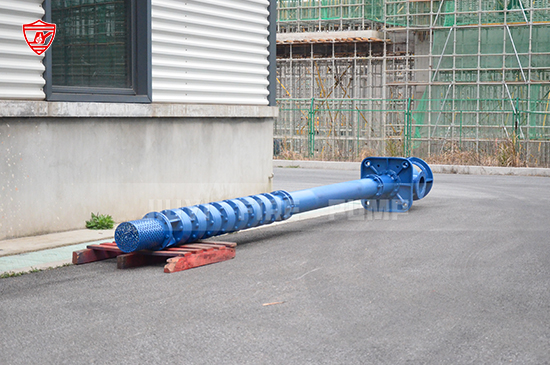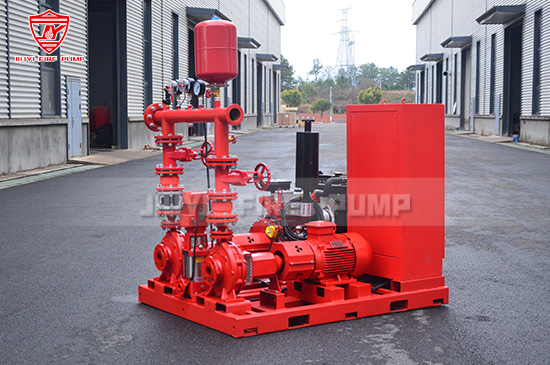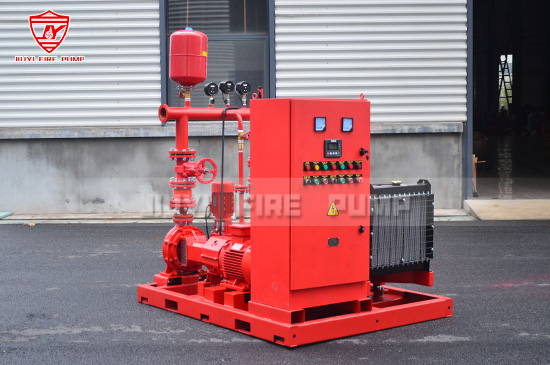
Fire pumps are among the most critical components of any fire protection system. Whether installed in commercial buildings, industrial facilities, warehouses, hospitals, airports, or high-rise structures, they must operate immediately when a fire emergency occurs. Even a minor mechanical issue can reduce pump performance or cause a complete system failure when it is needed most.
One of the most common mechanical problems affecting fire pumps is bearing failure. Bearings may appear to be small components compared to the pump casing or motor, but they play a vital role in ensuring smooth, efficient, and reliable operation. When a bearing fails, it can lead to excessive vibration, overheating, shaft damage, seal leakage, and even catastrophic pump failure.
Understanding the causes, symptoms, and prevention of fire pump bearing failure helps maintenance teams reduce downtime, extend equipment life, and ensure compliance with fire protection standards. This article explains everything you need to know about fire pump bearing failure and how to prevent it.
A bearing is a precision mechanical component that supports the rotating shaft inside a fire pump. Its primary function is to reduce friction between moving parts while maintaining accurate shaft alignment.
Most centrifugal fire pumps use rolling-element bearings, such as ball bearings or roller bearings, although some large pumps may use sleeve bearings depending on their design.
Fire pump bearings perform several important functions, including:
Because bearings operate continuously under load, they are subject to wear over time. Without proper lubrication and maintenance, bearing deterioration is inevitable.
Fire pump bearing failure occurs when the bearing can no longer support or guide the rotating shaft correctly. The bearing surfaces become damaged, worn, overheated, or contaminated, causing the bearing to lose its ability to function properly.
Bearing failure may develop gradually over months or occur suddenly because of lubrication loss, contamination, improper installation, or excessive loading.
Once bearing damage begins, it usually accelerates rapidly if not addressed. Continued operation can damage the shaft, mechanical seal, impeller, coupling, and even the pump casing.
Unlike process pumps that operate daily, many fire pumps remain on standby for long periods and are only tested periodically.
This operating pattern presents unique challenges.
Bearings may suffer from:
When the pump starts during an emergency, bearings must immediately operate under full load and high speed.
Any hidden bearing damage can compromise the pump's performance precisely when reliable operation is essential.
Poor lubrication is the leading cause of bearing failure in fire pumps.
Bearings rely on a thin lubricant film that separates rolling elements from metal surfaces. Without sufficient lubrication, metal-to-metal contact generates excessive friction and heat.
Lubrication problems include:
Over-greasing is nearly as harmful as under-greasing because excess grease creates heat and pressure inside the bearing housing.
Dust, dirt, water, rust particles, and metal debris can enter the bearing housing through damaged seals or improper maintenance procedures.
Contaminants scratch bearing surfaces and accelerate wear.
Common contaminants include:
Even microscopic particles can significantly reduce bearing life.
Improper alignment between the pump and driver places abnormal loads on the bearings.
Misalignment can result from:
Misaligned bearings experience uneven loading, leading to premature fatigue.
Continuous vibration damages bearing raceways and rolling elements.
Sources of vibration include:
Vibration increases bearing fatigue and shortens service life.
High operating temperatures reduce lubricant effectiveness and accelerate bearing wear.
Common causes include:
As temperatures rise, lubricant viscosity decreases, reducing protection against friction.
Even premium-quality bearings fail quickly if installed incorrectly.
Common installation mistakes include:
Proper installation requires clean tools, precise measurements, and manufacturer-recommended procedures.
Every bearing has a finite service life.
Repeated stress eventually causes microscopic cracks in the bearing material.
Over time, these cracks develop into:
Fatigue is a normal wear mechanism but can occur much earlier if the bearing operates under poor conditions.
Moisture and chemicals may corrode bearing surfaces during long standby periods.
Corrosion causes:
Fire pumps installed in coastal, humid, or chemical environments require additional corrosion protection.
Early detection significantly reduces repair costs.
Common warning signs include:
Healthy bearings operate quietly.
Damaged bearings often produce:
These sounds indicate internal wear.
Increasing vibration levels often indicate bearing deterioration before visible damage occurs.
Regular vibration analysis can identify problems months before failure.
Bearing housings becoming hotter than normal may indicate:
Temperature monitoring is one of the simplest predictive maintenance techniques.
Grease leaking around the bearing housing may indicate:
Lubricant leakage also allows contaminants to enter the bearing.
Damaged bearings create additional friction.
As friction increases, motor current often rises because the motor requires more power to rotate the pump.
Excessive shaft play often indicates severe bearing wear.
Technicians may observe abnormal shaft movement during inspection.
Ignoring bearing problems can result in serious mechanical damage.
Potential consequences include:
In fire protection systems, bearing failure may also compromise life safety by preventing the fire pump from delivering the required water supply during a fire emergency.
Professional maintenance teams use several diagnostic techniques.
Vibration monitoring detects characteristic frequencies associated with bearing defects.
It is one of the most effective predictive maintenance methods.
Infrared thermometers and thermal imaging cameras quickly identify overheating bearings.
Trending temperature over time helps identify gradual deterioration.
Lubricant analysis can reveal:
This information provides valuable insight into bearing condition.
Ultrasonic instruments detect high-frequency sounds generated by damaged bearings long before audible noise develops.
Routine inspections should check for:
Visual inspections remain an important part of preventive maintenance.
Always use the lubricant specified by the pump manufacturer.
Establish lubrication schedules based on:
Avoid mixing incompatible greases.
Weekly or monthly fire pump testing helps distribute lubricant and identifies abnormal operating conditions before an emergency occurs.
Routine operation also reduces corrosion caused by prolonged inactivity.
Implement a vibration monitoring program for critical fire pumps.
Trend data allows maintenance teams to identify bearing deterioration early.
Laser alignment tools provide much greater accuracy than traditional methods.
Verify alignment after installation, maintenance, or foundation repairs.
Prevent contaminants from entering the bearing housing.
Maintain clean work practices during maintenance and replace damaged seals promptly.
Ensure adequate ventilation around motors and pumps.
Investigate any unexpected increase in bearing temperature immediately.
Waiting for complete failure often causes secondary damage.
Predictive maintenance allows bearings to be replaced during scheduled shutdowns.
Proper installation and maintenance procedures significantly increase bearing life.
Regular training helps technicians recognize early warning signs and avoid installation errors.
Bearing reliability begins with pump design and manufacturing quality.
High-quality fire pumps typically feature:
Manufacturers that perform comprehensive performance testing before shipment help ensure bearings operate under optimal conditions from the first day of service.
When selecting a fire pump supplier, buyers should evaluate not only hydraulic performance but also manufacturing quality, testing capabilities, material selection, and after-sales technical support.
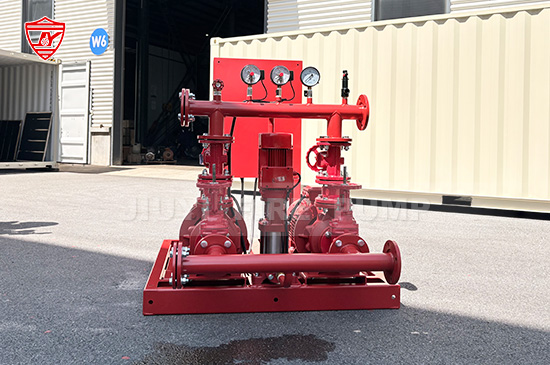
Fire pump bearing failure is one of the most common causes of mechanical problems in fire protection systems, but it is also one of the most preventable. Bearings perform the essential task of supporting the rotating shaft while minimizing friction, making their condition critical to overall pump reliability.
Most bearing failures result from preventable factors such as poor lubrication, contamination, misalignment, excessive vibration, overheating, or improper installation. By implementing routine inspections, vibration monitoring, temperature checks, proper lubrication practices, and predictive maintenance programs, facility owners can detect problems early and avoid costly repairs.
Choosing a high-quality fire pump manufactured with precision components, strict quality control, and thorough factory testing further reduces the risk of bearing-related failures. Combined with a well-planned maintenance strategy, these measures help ensure that fire pumps remain dependable and ready to perform whenever they are called upon to protect lives and property.