Over-pressurization is one of the most common yet underestimated issues in fire pump systems. While fire pumps are designed to deliver reliable and sufficient pressure during emergencies, excessive pressure can be just as dangerous as insufficient pressure. Over-pressurization may lead to pipe damage, leakage, premature equipment failure, false system activation, and costly maintenance issues. In severe cases, it can compromise the overall reliability of the fire protection system.
For engineers, contractors, facility owners, and fire protection designers, understanding how over-pressurization occurs—and how to prevent it—is essential. This article explains the main causes of over-pressurization in fire pump systems and provides practical, standards-based solutions to avoid it.
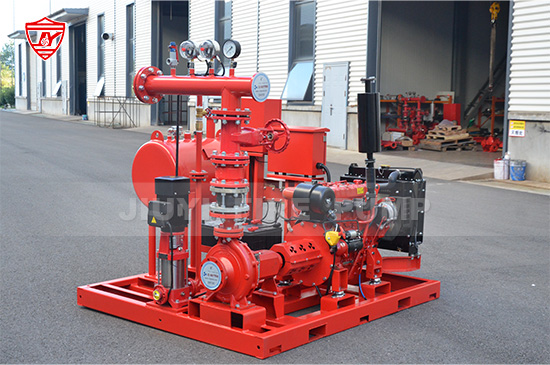
Over-pressurization occurs when the pressure in a fire protection system exceeds the maximum pressure rating of its components or the system’s design limits. This condition most commonly appears during non-fire situations, such as system standby, low demand operation, or pump churn conditions.
Fire pump systems are designed for peak performance during emergencies, not continuous high-pressure operation. When system demand is low or zero, the pump may generate higher pressure than expected, especially if pressure control devices are incorrectly selected or set.
One of the root causes of over-pressurization is improper fire pump sizing. Selecting a pump with excessive pressure or head margin beyond what the system requires can result in high churn pressure. While safety margins are necessary, excessive oversizing increases the risk of system pressure exceeding allowable limits when flow demand is low.
Churn pressure is the pressure developed by a fire pump when operating at zero flow. According to NFPA 20, churn pressure should not exceed 140 percent of rated pressure for centrifugal pumps. If the churn pressure is too high, downstream piping, valves, and sprinklers may be subjected to stress even when no fire event exists.
The jockey pump plays a critical role in maintaining system pressure during normal conditions. If the jockey pump cut-in and cut-out pressures are set too close to or above the fire pump start pressure, it can cause pressure stacking. Over time, this leads to unnecessary pressure buildup within the system.
Pressure relief valves are essential safety components designed to discharge excess pressure. If relief valves are omitted, undersized, incorrectly installed, or improperly set, the system has no effective way to relieve excessive pressure during abnormal operating conditions.
In systems exposed to temperature fluctuations, thermal expansion of trapped water can increase pressure significantly. This issue is more common in closed-loop sections or systems without adequate expansion control, especially in regions with large ambient temperature changes.
Pressure reducing valves and pressure regulating valves must be properly selected and installed, particularly in high-rise buildings or zoned systems. Incorrect valve selection or poor commissioning can lead to pressure spikes that exceed allowable limits in lower zones.
Over-pressurization does not simply affect the pump—it impacts the entire fire protection system.
Excessive pressure can cause pipe joint failures, gasket damage, and leaks that compromise system integrity. Sprinkler heads may activate unintentionally, causing water damage and operational disruptions. Control valves, pressure switches, and gauges may suffer premature wear, leading to inaccurate readings or failures during emergencies.
From a compliance perspective, systems that consistently operate above rated pressure may violate applicable standards and local codes, potentially resulting in failed inspections or liability concerns.
Avoiding over-pressurization starts at the design stage. Fire pump selection must be based on accurate hydraulic calculations that reflect real system demand rather than excessive safety assumptions. Designers should consider the required flow, pressure at the most remote hazard, elevation losses, and friction losses carefully.
Avoid overspecifying pump pressure simply to “be safe.” Instead, design within the allowable limits of system components while maintaining compliance with applicable standards.
Churn pressure must be evaluated during pump selection. If the churn pressure exceeds system limits, consider options such as:
Selecting a pump with a lower rated pressure
Using a pressure relief valve on the pump discharge
Implementing pressure regulation for sensitive zones
Monitoring churn pressure during factory testing and site commissioning is critical to ensure compliance.
The jockey pump should be sized to compensate for small system leaks and maintain pressure without starting the main fire pump. It should not be capable of matching fire pump flow or pressure.
Pressure settings should follow a clear hierarchy:
Jockey pump cut-out pressure should be below the fire pump start pressure
Jockey pump cut-in pressure should be above normal system leakage pressure
Fire pump start pressure should be low enough to respond promptly to real demand
Proper separation between jockey pump and fire pump pressure settings prevents pressure stacking and unnecessary system stress.
Pressure relief valves are essential when system pressure can exceed allowable limits under churn or abnormal conditions. These valves should be:
Sized according to the pump’s rated capacity
Set at an appropriate pressure below the maximum system rating
Installed in accessible locations for inspection and testing
Relief valves should discharge safely without causing water damage or operational hazards.
High-rise buildings require careful pressure zoning to avoid excessive pressure in lower floors. This can be achieved through:
Pressure reducing valves
Pressure regulating devices
Intermediate pump zones
Break tanks or pressure zones
Each zone must be designed to operate within the pressure ratings of sprinklers, valves, and piping used in that area.
Where trapped water can experience temperature changes, expansion control measures should be considered. These may include:
Expansion tanks
Pressure relief devices
System design that avoids trapped water sections
Ignoring thermal expansion can lead to unexplained pressure increases even when pumps are not running.
Commissioning is a critical step in preventing over-pressurization. During testing, verify:
Fire pump start and stop pressures
Jockey pump operation and cycling frequency
Relief valve activation pressure
System pressure stability under no-flow and low-flow conditions
Document all settings and test results for future reference and maintenance.
Even a well-designed system can develop over-pressurization issues if not maintained properly. Regular inspections should include:
Pressure gauge accuracy checks
Verification of controller pressure settings
Relief valve inspection and testing
Review of system pressure trends
Any unexplained pressure fluctuations should be investigated promptly to prevent long-term damage.
Following recognized standards such as NFPA 20 is essential for safe and reliable fire pump system operation. These standards provide clear guidance on pump performance, pressure limits, control devices, and testing procedures.
Manufacturers, designers, and installers must work together to ensure that fire pump systems are not only code-compliant but also practical and reliable throughout their service life.
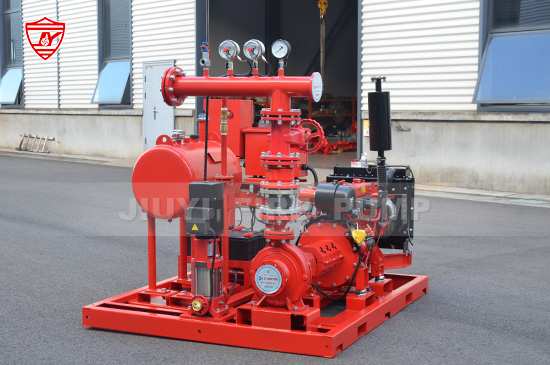
Over-pressurization in fire pump systems is not an unavoidable problem—it is a preventable one. Through proper pump selection, accurate pressure settings, effective use of jockey pumps, relief valves, and pressure regulation devices, fire protection systems can operate safely and reliably without unnecessary stress.
By addressing over-pressurization early in the design phase and maintaining proper control throughout the system’s lifecycle, stakeholders can protect both the equipment and the people who rely on it. A well-balanced fire pump system ensures readiness during emergencies while maintaining stability and safety during everyday operation.