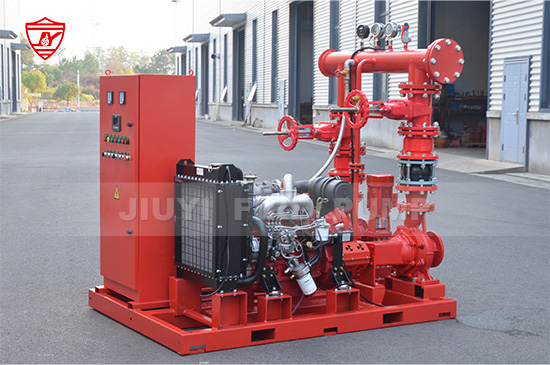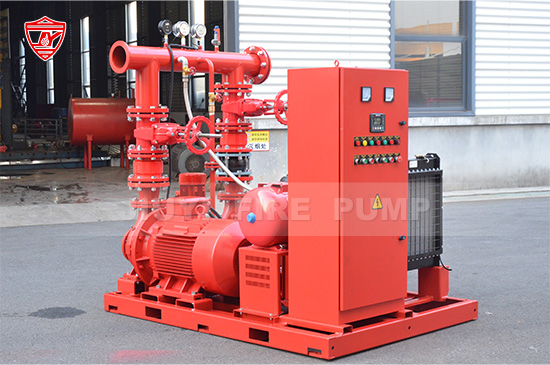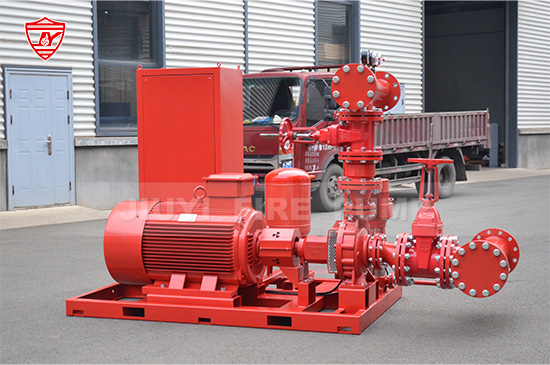
A fire pump is one of the most critical components in any fire protection system. Its sole purpose is to deliver adequate water flow and pressure when a fire occurs. In most modern systems, fire pumps are designed to start automatically when system pressure drops. However, real-world emergencies do not always follow ideal conditions. Power failures, controller faults, sensor malfunctions, or extreme fire events can prevent automatic starting. This is where a fire pump emergency manual start becomes essential.
A fire pump emergency manual start is a built-in function that allows operators to start the fire pump manually when automatic starting fails or is unavailable. It acts as a final layer of protection, ensuring the fire pump can still operate during critical situations. Understanding how this function works, when it should be used, and how it is regulated is essential for engineers, contractors, facility managers, and fire safety professionals.
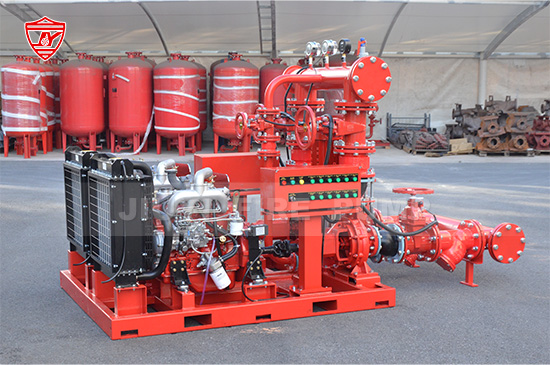
Fire protection systems are designed with redundancy because failure during a fire can result in catastrophic loss of life and property. Although automatic fire pump starting is reliable, no system is completely immune to failure.
Emergency manual start exists for several key reasons:
First, automatic pressure switches or sensors may fail due to mechanical wear, wiring issues, or contamination. If the pressure signal is not detected, the pump will not start automatically.
Second, control circuitry inside the fire pump controller may malfunction. Even if the pump and power supply are intact, a controller fault can block automatic operation.
Third, power instability or partial electrical failure can prevent normal start sequences. In diesel fire pump systems, battery or starter issues may interfere with automatic cranking.
Finally, extreme fire conditions may damage monitoring components before the pump has a chance to start automatically. Manual intervention can override damaged systems and initiate operation.
In all these cases, emergency manual start ensures that trained personnel can still activate the fire pump and maintain water supply to sprinklers, hydrants, or standpipes.
A fire pump emergency manual start is a direct, operator-initiated method of starting the fire pump, bypassing or supplementing the automatic start function. It is typically achieved through physical controls located on the fire pump controller.
Depending on the pump type and controller design, emergency manual start may involve:
A manual start push button or switch on the controller
A mechanical lever or handle for diesel engines
A manual crank or auxiliary start mechanism in extreme cases
The key characteristic of emergency manual start is that it does not rely on system pressure drop or automatic sensing logic. Instead, it allows human intervention to start the pump immediately when needed.
Understanding the difference between automatic and manual starting helps clarify why both are required.
Automatic start is triggered when system pressure drops below a preset threshold, usually due to sprinkler activation or hose valve operation. This process requires pressure sensors, control logic, and power supply to function correctly.
Emergency manual start, on the other hand, is independent of pressure signals. It gives operators direct control over pump operation. While automatic start is the primary mode during a fire, manual start acts as a backup when automatic systems fail.
Importantly, manual start does not replace automatic start. Fire safety standards require automatic operation as the main function, with manual start provided as a supplemental emergency feature.
In electric fire pump systems, emergency manual start is usually performed through the fire pump controller. A clearly labeled manual start button or switch allows operators to energize the motor directly.
Even if pressure switches fail, the controller can still send a start signal to the motor, provided electrical power is available. In some systems, emergency manual start may bypass certain protective interlocks to ensure operation during a fire.
Diesel fire pumps are especially reliant on manual start capability because they are often installed in locations where utility power is unreliable.
Emergency manual start for diesel fire pumps may include:
Manual start buttons on the controller
Mechanical engine start levers
Manual fuel rack control
Emergency battery or air start systems
Diesel engines are required to be capable of manual operation even if automatic starting circuits fail. This makes them highly reliable in extreme emergency conditions.
Emergency manual start is not intended for routine operation. It is primarily used in exceptional situations such as:
Automatic start failure during a fire
Fire pump testing when pressure simulation is not possible
Commissioning or troubleshooting under controlled conditions
Emergency response when alarms indicate pump did not start
In many facilities, trained personnel or fire brigade members are responsible for initiating manual start if alarms indicate pump failure. This underscores the importance of proper training and clear controller labeling.
Fire pump emergency manual start is not optional. It is a requirement under NFPA 20, the standard for the installation of stationary fire pumps for fire protection.
Key principles outlined by NFPA 20 include:
Fire pumps must be capable of starting automatically and manually. Manual start controls must be readily accessible and clearly identified.
Manual start must not require complex procedures or special tools. During an emergency, the pump must be able to start quickly with minimal actions.
For diesel fire pumps, provisions must exist for manual engine operation even if electrical components fail.
Manual start functions must be tested regularly as part of routine fire pump inspection, testing, and maintenance programs.
These requirements ensure that manual start is a reliable last-resort method rather than a theoretical feature.
One common misunderstanding is that manual start is only needed for diesel fire pumps. In reality, both electric and diesel fire pumps require manual start capability.
Another misconception is that manual start allows operators to stop the pump easily. In most fire pump systems, once the pump is started, it is designed to continue running until manually shut down under controlled conditions. This prevents accidental shutdown during a fire.
Some users also believe manual start bypasses all safety features. While certain interlocks may be overridden, critical protections related to catastrophic mechanical failure remain in place.
A manual start function is only effective if people know how and when to use it. Fire pump rooms should have clear operating instructions displayed near the controller.
Training should cover:
When emergency manual start should be used
How to recognize automatic start failure
Proper steps to initiate manual start
Safety precautions during pump operation
Clear signage and routine drills ensure that emergency manual start can be executed quickly without hesitation.
Emergency manual start must be tested regularly to ensure reliability. During fire pump testing, operators should verify that manual start controls function correctly and initiate pump operation without delay.
Testing helps identify issues such as:
Stiff or unresponsive buttons or levers
Wiring faults in manual circuits
Mechanical resistance in diesel engines
Labeling or visibility problems
Regular maintenance ensures that manual start will function as intended when automatic systems fail.
From a manufacturer’s perspective, emergency manual start is not just a compliance requirement. It is a core safety feature that directly impacts system reliability.
A well-designed manual start system should be intuitive, durable, and resistant to harsh environmental conditions. Controls should be clearly labeled, logically positioned, and protected against accidental damage.
Manufacturers also play a role in educating customers by providing clear documentation and operating instructions, ensuring that end users understand how to use emergency manual start correctly.
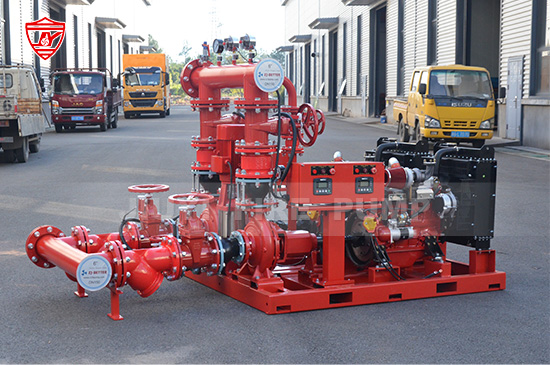
A fire pump emergency manual start is a vital safeguard in fire protection systems. It ensures that even when automatic controls fail, the fire pump can still deliver the water and pressure needed to protect lives and property.
By understanding how emergency manual start works, how it differs from automatic operation, and how it is regulated under fire safety standards, fire protection professionals can better design, operate, and maintain reliable fire pump systems.