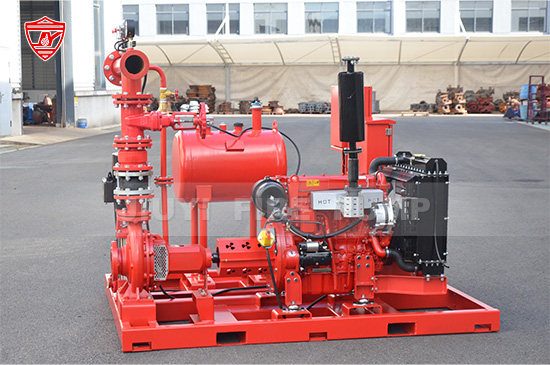
Diesel fire pump engine overload is one of the most serious and costly problems in fire protection systems. When a diesel engine operates beyond its designed capacity, it can lead to overheating, power loss, abnormal shutdowns, or even catastrophic engine failure. In fire emergencies, this risk is unacceptable. Preventing engine overload is not only a matter of equipment reliability but also a critical factor in life safety and regulatory compliance.
As a fire pump manufacturer, we often see engine overload issues that could have been avoided with proper system design, correct selection, and disciplined maintenance. This article explains the real causes of diesel fire pump engine overload and provides practical, field-proven strategies to prevent it.
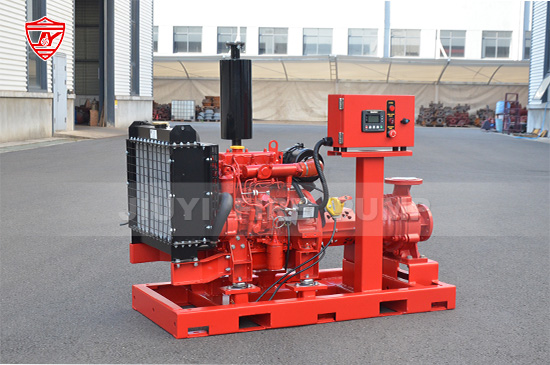
Understanding Diesel Fire Pump Engine Overload
Engine overload occurs when the diesel engine is required to deliver more power than its rated output. In a fire pump application, this typically happens when the engine torque demand exceeds its capability due to excessive pump load, improper sizing, or mechanical resistance.
Unlike industrial pumps, diesel fire pumps operate under extreme conditions. They must deliver full rated capacity instantly and continue running for extended periods without failure. Any overload condition increases stress on pistons, crankshafts, bearings, cooling systems, and fuel systems, significantly reducing engine life and reliability.
Improper Pump and Engine Matching
One of the most common causes of diesel fire pump engine overload is incorrect matching between the pump and the engine. The fire pump curve and engine power curve must align precisely across the full operating range.
If the pump absorbs more power than the engine can provide at any point on the curve, overload will occur. This situation often appears when:
-
The engine horsepower rating is marginal or undersized
-
Pump efficiency assumptions are overly optimistic
-
Site conditions differ from design assumptions
To prevent this, always ensure that the diesel engine has sufficient power margin above the pump’s maximum absorbed horsepower. Industry best practice is to include a safety margin to account for manufacturing tolerances, aging, and environmental factors.
Incorrect System Demand and Load Calculation
Diesel fire pump overload often originates at the design stage. Incorrect system demand calculations can force the pump to operate beyond its intended range.
Typical causes include:
-
Underestimated system friction losses
-
Incorrect elevation head calculations
-
Unaccounted future expansion of the fire protection system
-
Misinterpretation of required flow and pressure
When actual demand exceeds design values, the pump requires more torque, which directly increases engine load. Proper hydraulic calculations and conservative assumptions are essential to prevent overload throughout the pump’s service life.
Excessive Pump Speed or Improper Drive Ratio
Diesel fire pumps rely on precise speed control to deliver rated performance. Over-speeding the pump, even slightly, can dramatically increase absorbed horsepower.
Common issues include:
-
Incorrect gear ratio selection
-
Governor malfunction
-
Improper coupling alignment
Since pump power demand increases roughly with the cube of speed, even a small speed increase can result in a significant engine overload. Regular verification of engine speed under load is a simple but effective preventive measure.
Cooling System Deficiencies
An overloaded diesel engine generates excess heat. If the cooling system cannot dissipate this heat effectively, engine temperature rises, accelerating wear and increasing the risk of failure.
Cooling-related causes of overload symptoms include:
-
Undersized heat exchangers or radiators
-
Blocked cooling passages
-
Inadequate water supply for heat exchangers
-
Poor ventilation in pump rooms
A well-designed cooling system must handle full-load operation under worst-case ambient conditions. Regular inspection and cleaning of cooling components are critical to maintaining engine performance.
Fuel Quality and Fuel System Problems
Poor fuel quality or restricted fuel supply can mimic or contribute to engine overload. When fuel delivery is insufficient or inconsistent, the engine struggles to maintain required torque, leading to unstable operation and overheating.
Common fuel-related issues include:
-
Contaminated diesel fuel
-
Water in fuel tanks
-
Clogged filters
-
Undersized fuel lines
Ensuring clean fuel storage, proper filtration, and adequate fuel flow capacity is essential to support full-load engine operation during emergencies.
Exhaust System Restrictions
Excessive exhaust backpressure increases engine workload and reduces effective power output. Over time, this condition can lead to chronic overload and overheating.
Typical causes include:
-
Undersized exhaust piping
-
Excessive bends or long exhaust runs
-
Carbon buildup in silencers
Exhaust systems should be designed with minimal resistance and inspected regularly to ensure unrestricted flow.
Mechanical Resistance and Alignment Issues
Mechanical losses within the pump and drive system can significantly increase engine load. Even minor alignment errors can result in unexpected overload.
Areas to inspect include:
-
Coupling alignment
-
Bearing condition
-
Seal friction
-
Shaft straightness
Routine mechanical inspections and precision alignment during installation reduce unnecessary load on the diesel engine.
Environmental and Site Conditions
Diesel engines are sensitive to environmental factors. High ambient temperatures, high altitude, and poor air quality can all reduce engine output.
At higher altitudes, reduced air density lowers combustion efficiency, effectively decreasing available horsepower. Similarly, elevated ambient temperatures reduce cooling efficiency.
When designing fire pump systems, these factors must be considered to ensure sufficient engine power under real-world conditions.
Maintenance Neglect and Aging Equipment
As diesel engines age, internal friction increases and efficiency decreases. Without proper maintenance, even a correctly sized engine may begin to experience overload symptoms.
Key maintenance areas include:
-
Lubrication system integrity
-
Air intake cleanliness
-
Injector performance
-
Valve timing
A disciplined maintenance program not only prevents overload but also extends engine life and ensures compliance with fire safety standards.
NFPA 20 Compliance and Testing Practices
NFPA 20 provides clear guidance on diesel fire pump performance, installation, and testing. Failure to follow these requirements often leads to overload issues.
Common testing-related overload problems occur during acceptance or annual tests when:
-
Throttle settings are incorrect
-
Load is applied too rapidly
-
Cooling systems are not fully operational
Testing should always follow standardized procedures, ensuring gradual load application and close monitoring of engine parameters.
Warning Signs of Diesel Fire Pump Engine Overload
Early detection can prevent serious damage. Common warning signs include:
-
Abnormally high exhaust temperature
-
Excessive smoke
-
Unstable engine speed
-
Frequent alarms or shutdowns
-
Unusual vibration or noise
Operators should be trained to recognize these indicators and take immediate corrective action.
Best Practices to Prevent Diesel Fire Pump Engine Overload
Preventing overload requires a systematic approach covering design, installation, operation, and maintenance.
Key best practices include:
-
Proper pump and engine selection with adequate power margin
-
Accurate hydraulic calculations
-
Verified speed control and alignment
-
Robust cooling and exhaust system design
-
High-quality fuel management
-
Regular testing and preventive maintenance
-
Compliance with NFPA 20 requirements
When these principles are applied consistently, diesel fire pump systems operate reliably even under the most demanding conditions.
Conclusion
Diesel fire pump engine overload is not a random failure; it is almost always the result of identifiable and preventable factors. From incorrect sizing and system design to poor maintenance and environmental oversight, each issue adds unnecessary stress to a critical life safety system.
By understanding the causes of engine overload and implementing proven preventive strategies, facility owners, engineers, and contractors can significantly improve system reliability and safety. A well-designed and properly maintained diesel fire pump engine will perform exactly as intended when it is needed most.
For fire protection systems, reliability is not optional. Preventing diesel fire pump engine overload is an essential responsibility that protects property, lives, and long-term investment.