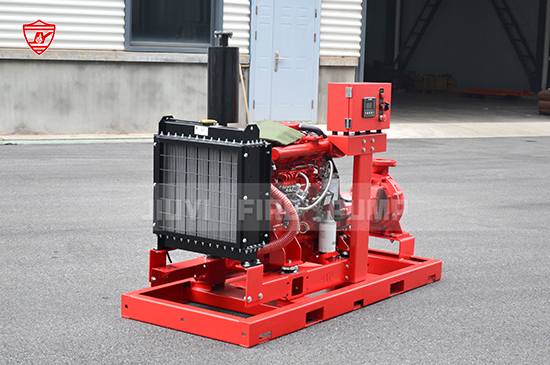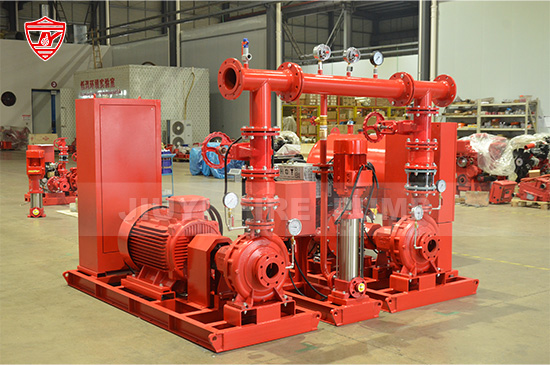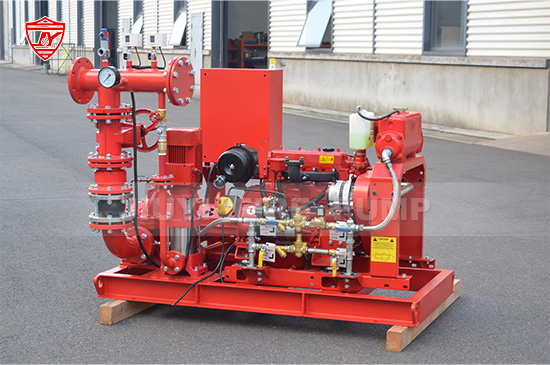
Fire pump performance degradation refers to the gradual or sudden reduction in a fire pump’s ability to deliver its designed flow rate, pressure, and reliability during operation. Over time, even a properly selected and installed fire pump can experience performance loss due to mechanical wear, hydraulic issues, environmental factors, or inadequate maintenance.
In fire protection systems, consistent and predictable pump performance is critical. A degraded fire pump may still start and run, but it may no longer meet the system demand required to control or suppress a fire. Understanding fire pump performance degradation is essential for engineers, facility owners, and fire safety professionals who are responsible for system reliability and code compliance.
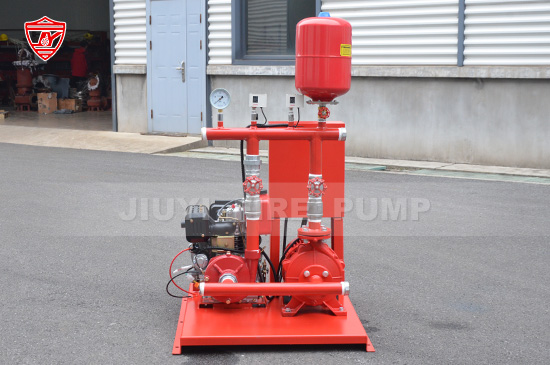
Fire pumps are the heart of many fire protection systems, supplying water at the required pressure and flow to sprinklers, standpipes, and hydrants. When a fire pump fails to perform as designed, the entire system is compromised.
Performance degradation can lead to:
Insufficient water pressure at remote or high-elevation areas
Reduced sprinkler discharge density
Inadequate hose stream performance
Delayed fire suppression or control
Unlike other mechanical systems, fire pumps are often idle for long periods and are expected to operate flawlessly in emergencies. This operating pattern makes performance degradation particularly dangerous because problems may go unnoticed until a real fire event occurs.
Fire pump performance degradation does not always result in total pump failure. In many cases, the pump continues running but operates below acceptable performance levels. Common warning signs include reduced pressure, unstable operation, or abnormal mechanical behavior.
Typical indicators include:
Lower discharge pressure compared to previous test results
Reduced flow during acceptance or annual testing
Excessive vibration or noise
Longer time to reach rated speed or pressure
Overheating of bearings or motor components
Increased fuel consumption in diesel fire pumps
Difficulty maintaining system pressure under demand
Tracking performance trends during regular testing is one of the most effective ways to identify degradation early.
Fire pump performance degradation can originate from multiple sources. These causes often interact, accelerating the overall decline of pump performance.
Over time, internal components such as impellers, wear rings, shafts, bearings, and seals experience natural wear. Even small dimensional changes can significantly affect hydraulic efficiency and pressure output.
Common mechanical contributors include:
Impeller erosion or corrosion
Excessive clearance between wear rings
Bearing fatigue or misalignment
Shaft deflection or imbalance
Seal leakage leading to air ingress
Mechanical wear is unavoidable, but its impact can be controlled through proper material selection, manufacturing quality, and maintenance practices.
Hydraulic inefficiencies are a major contributor to performance loss. These issues may originate within the pump or elsewhere in the system.
Examples include:
Internal recirculation caused by worn hydraulic components
Air entrainment or cavitation
Suction pipe restrictions or improper pipe sizing
Blocked strainers or partially closed valves
Changes in system demand exceeding pump design
Cavitation is particularly damaging, as it can rapidly erode impeller surfaces and cause vibration that accelerates mechanical failure.
Fire pumps are highly sensitive to suction conditions. Any change in the available water supply can significantly affect pump performance.
Common suction-related causes include:
Lower-than-designed water levels in tanks or reservoirs
Increased suction lift due to site changes
Obstructed suction piping
Air leaks in suction connections
Poorly designed suction arrangements
Inadequate net positive suction head can lead to cavitation, reduced flow, and long-term damage to pump components.
For electric fire pumps, electrical problems can directly impact performance.
Examples include:
Voltage drops under load
Phase imbalance
Motor winding degradation
Improper controller settings
Loose electrical connections
Reduced motor output speed results in lower pump pressure and flow, even if the pump appears to be operating normally.
Diesel fire pumps have additional factors that affect performance over time.
Common diesel-related issues include:
Fuel contamination or degradation
Injector wear
Turbocharger inefficiency
Cooling system fouling
Exhaust restrictions
Battery or starting system weakness
Engine performance loss directly translates into reduced pump speed and lower hydraulic output.
The consequences of fire pump performance degradation can be severe. Inadequate pump performance may result in systems that technically exist but fail to deliver the required fire protection when needed.
Key impacts include:
Failure to meet system design density and area requirements
Reduced effectiveness of sprinkler and standpipe systems
Increased risk of fire spread and property damage
Non-compliance with fire codes and standards
Liability exposure for building owners and operators
From a life safety perspective, degraded performance undermines the fundamental purpose of the fire protection system.
Identifying degradation requires a combination of testing, inspection, and performance analysis.
Regular fire pump testing provides valuable performance data over time. Comparing current test results with baseline acceptance test curves can reveal gradual performance decline.
Important parameters to monitor include:
Shutoff pressure
Rated flow pressure
Churn conditions
Speed and power consumption
Engine or motor operating parameters
Trend analysis is more effective than isolated test results.
Physical inspection helps identify mechanical and environmental contributors to degradation.
Inspection items include:
Alignment and coupling condition
Bearing temperature and noise
Seal leakage
Corrosion or scaling
Condition of strainers and valves
Early detection reduces repair costs and downtime.
While performance degradation cannot be completely eliminated, it can be significantly reduced through proactive strategies.
Selecting the correct fire pump for the application is the first defense against performance degradation.
Key considerations include:
Accurate system demand calculation
Proper safety margins
Correct pump type selection
Adequate suction conditions
Compliance with applicable standards
Oversizing or undersizing a pump can both contribute to long-term performance problems.
High-quality materials and precision manufacturing reduce wear, corrosion, and hydraulic losses.
Design features that support long-term performance include:
Robust impeller and casing materials
Precision-machined wear components
Stable shaft and bearing design
Reliable sealing systems
Manufacturing quality plays a critical role in sustaining pump performance throughout its service life.
A structured maintenance program is essential to prevent performance degradation.
Best practices include:
Scheduled weekly and annual testing
Lubrication according to manufacturer recommendations
Fuel system maintenance for diesel engines
Electrical inspections for electric motors
Prompt correction of abnormal test results
Maintenance should focus not only on operability but also on performance stability.
Changes to a facility or fire protection system can affect pump performance.
Examples include:
Building expansions
Additional sprinkler zones
Increased hazard classification
Modified water supply conditions
Re-evaluating pump performance after system changes ensures continued adequacy.
Fire pump manufacturers play a vital role in minimizing performance degradation through design, testing, and technical support.
Manufacturer responsibilities include:
Providing accurate performance curves
Supplying durable and compliant pump designs
Offering technical guidance for installation and maintenance
Supporting long-term service and spare parts availability
Collaboration between manufacturers, installers, and end users leads to more reliable fire pump systems.
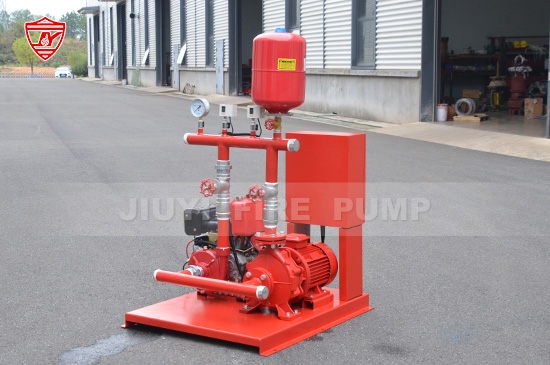
Fire pump performance degradation is a gradual but critical issue that directly affects the reliability of fire protection systems. It occurs due to mechanical wear, hydraulic inefficiencies, water supply changes, and inadequate maintenance, often without immediate warning signs.
Understanding the causes, recognizing early indicators, and implementing preventive measures are essential to maintaining fire pump performance throughout its service life. Regular testing, quality manufacturing, proper system design, and proactive maintenance are the most effective tools to combat degradation.