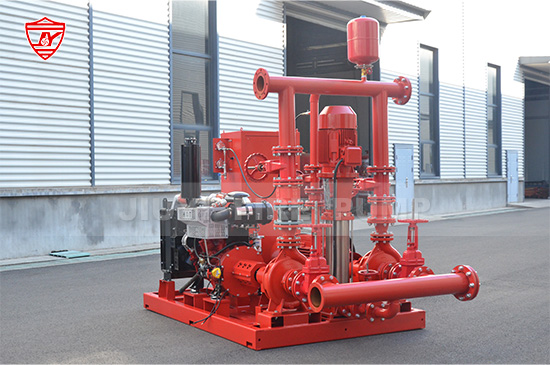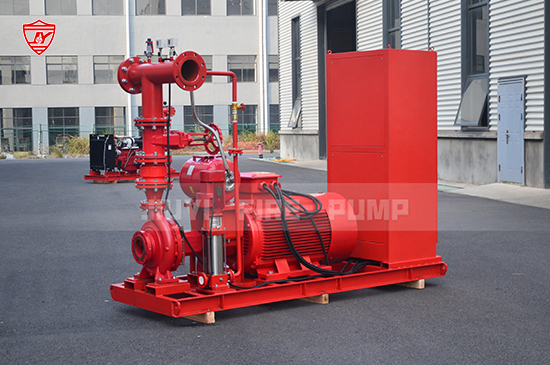
Diesel fire pumps play a critical role in fire protection systems, especially in locations where electric power is unreliable or unavailable. While many people focus on pump capacity and pressure, the diesel engine that drives the fire pump is equally important. One of the most misunderstood aspects is the diesel fire pump engine rating standard.
Engine rating directly affects reliability, compliance, and system performance during a fire emergency. Using the wrong engine rating can lead to failure under load, non-compliance with fire codes, or rejection by authorities having jurisdiction. This article explains what diesel fire pump engine rating standards are, how they differ from industrial engine ratings, and why they matter in real fire scenarios.
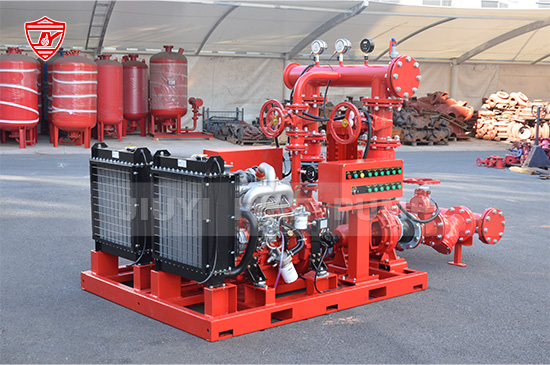
A diesel fire pump engine rating defines the continuous power output the engine can reliably deliver to drive a fire pump under emergency conditions. Unlike industrial or automotive engines, fire pump engines are designed for emergency standby service, not intermittent or variable loads.
The rating ensures that the engine can:
Start reliably during an emergency
Operate at full load for extended periods
Maintain required pump speed and pressure
Withstand high ambient temperatures
Perform without failure when the fire pump is most needed
This rating is not simply the engine’s maximum horsepower. Instead, it is a fire-specific, derated power value governed by recognized fire protection standards.
Fire pump engines operate under conditions that are very different from typical industrial equipment. During a fire, the engine may need to run continuously at high load for several hours without shutdown.
Key differences include:
No overload protection allowed
No automatic shutdown for high temperature or low oil pressure
Continuous full-load operation
Limited maintenance opportunity during operation
Because of these conditions, fire protection standards require engines to be conservatively rated to ensure reliability.
The most widely recognized standard governing diesel fire pump engines is NFPA 20 – Standard for the Installation of Stationary Pumps for Fire Protection.
NFPA 20 establishes clear requirements for how diesel engines used in fire pump applications must be rated and applied.
According to NFPA 20:
The engine must be capable of driving the fire pump at 100 percent rated load continuously
The engine must also be capable of operating at 110 percent of rated pump load
The engine rating must be based on continuous duty, not intermittent or peak power
This means that the engine selected for a fire pump is usually larger than the minimum horsepower required by the pump curve.
One common mistake is confusing maximum engine horsepower with fire pump engine rating.
Industrial diesel engines often advertise:
Maximum horsepower
Prime power rating
Standby power rating
These ratings are not suitable for fire pump applications.
For fire pumps, the engine rating must be:
Continuous
Non-overload
Capable of sustained operation
The continuous rating represents the true usable power the engine can deliver without stress or failure.
Diesel fire pump engines are typically derated compared to their industrial counterparts. Derating means the engine is intentionally operated below its maximum capability.
Reasons for derating include:
Improved reliability during emergency operation
Reduced thermal stress
Better performance in high ambient temperatures
Longer engine life
Compliance with fire protection standards
NFPA 20 requires that the engine rating used for fire pump selection must already include this derating.
The diesel engine must be matched precisely to the fire pump load. This involves understanding the pump’s power requirements at different operating points.
A properly rated diesel fire pump engine must:
Drive the pump at rated speed
Handle the maximum pump brake horsepower
Operate at 110 percent of rated flow if required
Maintain speed within allowable limits
This ensures that the fire pump delivers the required water flow and pressure during a fire event.
In many projects, especially commercial and industrial installations, diesel fire pump engines must be UL listed.
A UL listed diesel fire pump engine means:
The engine rating has been independently tested
The engine complies with NFPA 20 requirements
The engine can reliably drive a listed fire pump
The rating is clearly marked and documented
UL listing provides additional confidence to consultants, contractors, and authorities having jurisdiction that the engine rating is correct and compliant.
Diesel fire pump engines are typically rated at specific speeds, commonly:
1760 RPM
1800 RPM
2400 RPM
The engine rating must match the pump speed requirement. Operating outside the rated speed can lead to:
Reduced pump performance
Increased wear
Non-compliance with standards
The engine governor must maintain speed stability within NFPA 20 limits during load changes.
Fire pump engines must be capable of operating under extreme environmental conditions.
Standards consider:
High ambient temperature
Altitude
Ventilation limitations
If the engine room temperature exceeds standard conditions, additional derating may be required. This is why professional fire pump manufacturers always evaluate site conditions during engine selection.
Many fire pump system failures trace back to incorrect engine rating selection.
Common mistakes include:
Using industrial engine ratings instead of fire pump ratings
Selecting an engine with insufficient continuous power
Ignoring 110 percent load requirement
Failing to account for environmental derating
Mismatching engine speed and pump speed
These errors can result in inspection failure, costly redesigns, or system failure during a fire.
A diesel fire pump is often the last line of defense when a fire occurs. The engine must perform without hesitation.
Correct engine rating ensures:
Reliable fire water supply
Code compliance
Successful system acceptance
Long-term operational safety
Protection of life and property
Fire pump systems are not tested under real fire conditions very often, which makes proper design and conservative engine rating even more critical.
Professional fire pump manufacturers follow strict processes to ensure correct engine rating, including:
Detailed pump curve analysis
Compliance checks with NFPA 20
Engine derating verification
Factory performance testing
Documentation for inspection and approval
This systematic approach ensures that the diesel fire pump engine will perform as required when an emergency occurs.
For international projects, diesel fire pump engine rating standards are especially important. Many countries adopt or reference NFPA 20 and UL standards, even if local codes differ.
A correctly rated diesel fire pump engine:
Simplifies approval processes
Improves project credibility
Reduces risk of rejection by inspectors
Ensures compatibility with global fire protection practices
This is why engine rating is a key consideration in export fire pump systems.
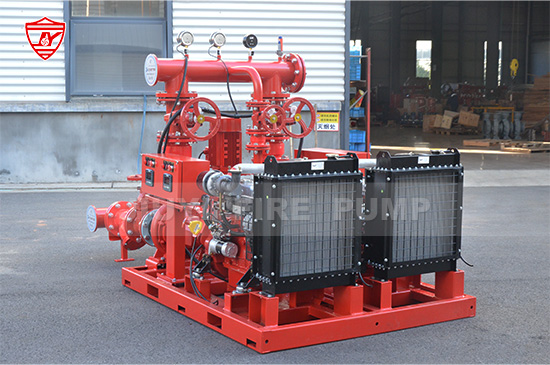
The diesel fire pump engine rating standard is not just a technical detail—it is a fundamental aspect of fire protection system reliability. Understanding how engines are rated, why derating is required, and how standards like NFPA 20 define engine performance helps engineers, contractors, and owners make informed decisions.