
Fire pumps are critical components of any fire protection system, providing the water pressure needed to combat fires effectively. However, the stability of fire pumps can be severely affected by power fluctuations. Voltage drops, surges, or inconsistent supply can compromise the pump’s performance, reduce its lifespan, and even cause system failure at the most crucial moments. For building managers, safety engineers, and fire protection professionals, understanding how to maintain fire pump stability during power fluctuations is essential for protecting both lives and property.
In this article, we will explore common causes of power fluctuations, the potential risks they pose to fire pumps, and practical strategies to ensure consistent and reliable fire pump operation.
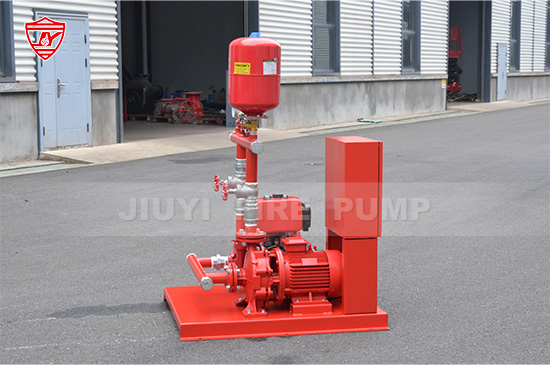
Power fluctuations can manifest in several forms, including voltage sags, surges, blackouts, and frequency deviations. These fluctuations may be caused by external grid issues, nearby industrial equipment, or even transient faults within a building’s electrical system. For fire pumps, these inconsistencies can result in:
Motor overheating: Sudden voltage changes can cause excessive current draw, leading to motor overheating and potential damage.
Pump malfunction or failure: Inconsistent power can prevent pumps from reaching the required pressure or starting correctly during an emergency.
Reduced lifespan: Repeated exposure to voltage variations accelerates wear and tear on electrical components, reducing the overall life of the pump.
System alarms and false trips: Sensitive fire pump controllers may trigger unnecessary alarms or shut down due to irregular power, undermining system reliability.
Understanding these risks highlights the importance of maintaining a stable power supply to ensure fire pumps function when they are most needed.
The first step in mitigating power fluctuation risks is choosing a fire pump designed to tolerate variations in voltage and frequency. Key considerations include:
Motor type: Diesel engine-driven pumps are generally more resilient to voltage fluctuations since they do not rely solely on electricity. Electric motor-driven pumps, however, require more stable input power, making protective measures essential.
UL-listed and NFPA-compliant models: Fire pumps that meet UL listing and NFPA 20 standards are rigorously tested for performance under challenging conditions, including variations in electrical supply.
Pump rating and tolerance: Consult with manufacturers to select pumps capable of operating efficiently within the voltage range typical for your location. Pumps designed with higher tolerance margins are less likely to experience operational issues during brief power dips or surges.
Investing in the right equipment upfront reduces long-term risks and ensures reliable performance during emergencies.
One of the most effective ways to protect fire pumps from power fluctuations is through the installation of surge protection devices (SPDs). SPDs prevent voltage spikes from damaging sensitive electrical components, safeguarding the pump motor and control systems. Important considerations when using SPDs include:
Type of SPD: Choose devices that provide both transient voltage suppression and continuous protection against surges.
Location: Install SPDs close to the fire pump motor and controller to ensure maximum protection.
Regular maintenance: Like any electrical component, SPDs require periodic inspection to ensure proper function and to replace worn-out units.
By reducing the likelihood of damage from electrical surges, SPDs help maintain fire pump stability and prevent unexpected downtime.
Automatic voltage regulators can maintain a constant output voltage to fire pumps, even when the input voltage fluctuates. AVRs are particularly useful for electric fire pumps in regions with unstable power supply. Benefits include:
Stable pump operation: Prevents motor overheating and ensures consistent water pressure.
Extended motor life: Reduces mechanical and electrical stress caused by voltage swings.
Reduced false alarms: Stabilized voltage reduces unnecessary trips in pump controllers.
When selecting an AVR, ensure it is appropriately sized for your pump motor’s voltage and current requirements. Some AVRs also offer additional features, such as surge protection and real-time monitoring, which further enhance reliability.
Even with protective devices, prolonged power outages can still affect fire pump operation. Implementing a reliable backup power solution is critical for uninterrupted performance:
Diesel generators: Diesel engines provide robust, immediate backup power and are commonly paired with electric fire pumps in high-risk buildings.
Uninterruptible power supplies (UPS): UPS systems deliver short-term power during voltage dips or outages, allowing pumps to start and maintain operation until backup generators engage.
Hybrid solutions: Combining UPS systems with diesel generators provides layered protection against both brief and extended power interruptions.
Regular testing and maintenance of backup power systems are essential to ensure they function properly during emergencies.
Fire pump stability begins with the right electrical infrastructure. Key elements of proper design include:
Dedicated circuits: Fire pumps should have dedicated power circuits separate from other building loads to reduce interference.
Correct wire sizing: Undersized conductors can cause voltage drops, affecting pump performance. Ensure wire sizing aligns with pump load requirements.
Overcurrent protection: Circuit breakers or fuses should match pump specifications to prevent damage from overloads.
Grounding and bonding: Proper grounding prevents electrical noise and stabilizes voltage for sensitive control components.
Working with qualified electrical engineers and following NFPA 20 guidelines ensures that your system can handle power fluctuations safely.
Even the most resilient fire pumps require regular inspection and monitoring to maintain stability during power fluctuations. Best practices include:
Routine testing: Conduct monthly or quarterly pump tests under operational conditions to detect performance issues.
Motor inspections: Check for overheating signs, worn bearings, or insulation damage.
Electrical panel checks: Inspect wiring, breakers, and controllers for corrosion, loose connections, or burn marks.
Monitoring systems: Install sensors or digital monitoring systems to detect voltage irregularities, motor temperature, and pump status in real-time.
Proactive maintenance allows early detection of problems, reducing the risk of pump failure during critical events.
Even with the best equipment and protective devices, human factors play a crucial role in fire pump stability. Train maintenance personnel and facility managers on:
Recognizing electrical issues: Understanding the signs of voltage fluctuations or motor strain can prevent minor issues from escalating.
Emergency response: Knowing how to operate backup systems, manually start pumps, or switch power sources ensures the system remains functional during outages.
Documentation: Keep records of maintenance, voltage incidents, and system performance to guide future preventive measures.
Empowered and knowledgeable staff ensure that fire pumps remain operational, even under challenging electrical conditions.
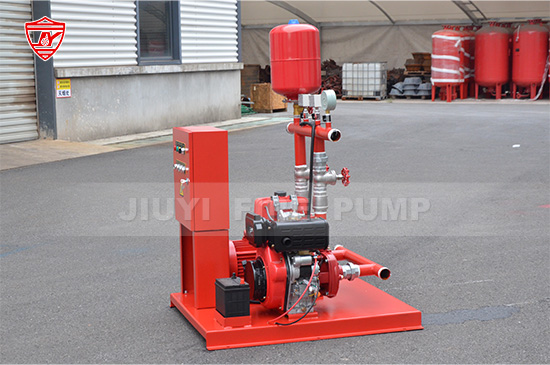
Power fluctuations are a common challenge that can compromise the stability and reliability of fire pumps. By understanding the risks, selecting the right equipment, installing protective devices, designing robust electrical systems, and implementing regular maintenance and monitoring, facility managers and fire safety professionals can ensure that fire pumps perform consistently when they are needed most.
Investing in surge protection, automatic voltage regulators, backup power solutions, and staff training not only safeguards your fire pumps but also enhances the overall resilience of your fire safety system. Reliable fire pump performance during power fluctuations is not just a technical necessity—it is a critical aspect of protecting lives and property.
.jpg)