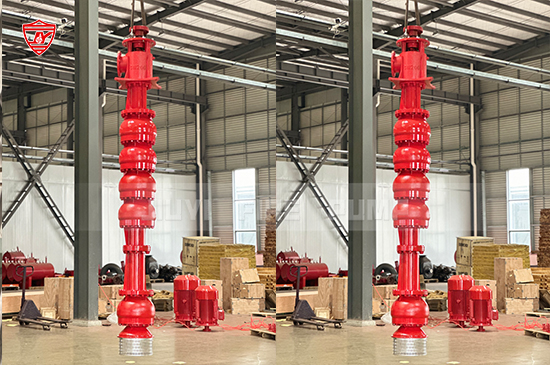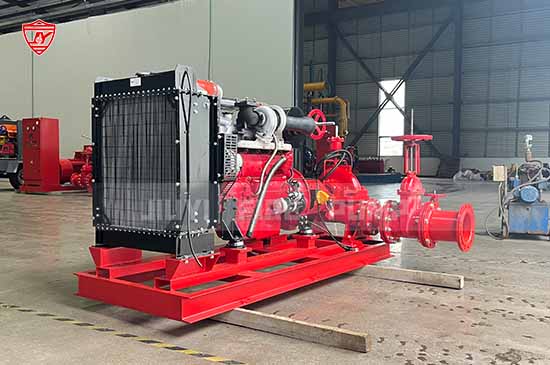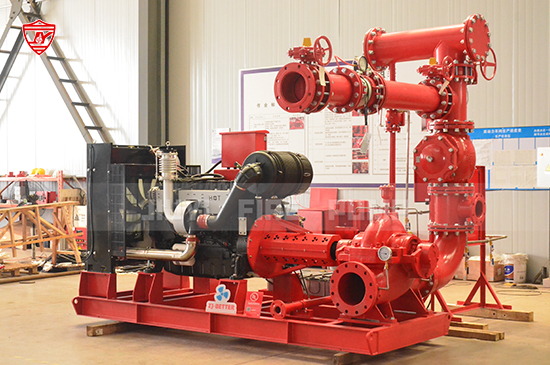
Fire pump pressure surge is a common but often underestimated issue in fire protection systems. Sudden pressure spikes can damage piping, valves, fittings, and even the fire pump itself, leading to system failures, higher maintenance costs, and potential non-compliance with fire safety standards.
For contractors, consultants, and facility owners, understanding how to reduce fire pump pressure surge is critical to ensuring long-term system reliability and safety. This article explains what causes pressure surge in fire pump systems and provides practical, proven methods to control and reduce it.
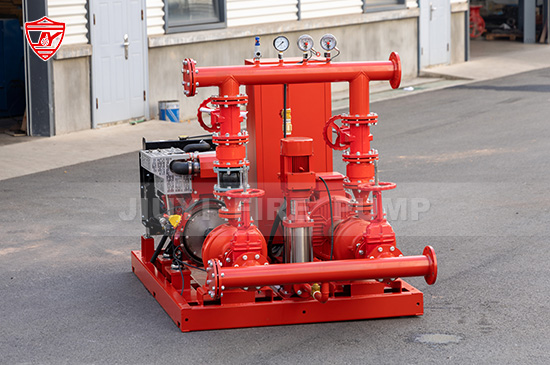
Fire pump pressure surge refers to a rapid and excessive increase in system pressure, usually occurring during pump startup, shutdown, or sudden changes in water flow. These pressure spikes can exceed the system’s rated pressure and create mechanical stress throughout the fire protection network.
Pressure surge is closely related to water hammer, but in fire pump systems, it is often intensified due to high flow rates, powerful drivers, and rigid piping arrangements.
Uncontrolled pressure surge can lead to multiple risks:
Damage to pipes, fittings, and couplings
Premature wear of valves and seals
Failure of pressure gauges and sensors
Increased vibration and noise
False alarms or system instability
Reduced service life of the fire pump
In extreme cases, pressure surge can cause catastrophic pipe failure, compromising fire protection at the moment it is most needed.
When a fire pump starts abruptly, especially a diesel engine fire pump or a high-capacity electric fire pump, the rapid acceleration can cause an immediate pressure spike. This is particularly common when the system demand is low or when the discharge valve opens too quickly.
A poorly adjusted jockey pump can cause frequent fire pump starts and stops. If the pressure differential between the jockey pump and the main fire pump is too small, the main pump may start unnecessarily, creating repeated pressure surges.
Valves that close too quickly, whether manually operated or automatic, can stop water flow abruptly and generate a pressure wave that travels back through the system.
Long pipelines, steel pipes with minimal flexibility, and poorly supported piping systems are more susceptible to pressure surge because they transmit pressure waves more efficiently.
An oversized fire pump delivering more pressure than the system requires can increase the likelihood of surge, especially during partial flow or churn conditions.
Fire pump systems without properly sized pressure relief valves or surge control devices are more vulnerable to damaging pressure spikes.
Reducing pressure surge requires a combination of proper system design, correct component selection, and accurate commissioning. Below are the most effective methods.
Selecting the correct fire pump capacity and pressure is the first step in surge reduction. The pump should be sized according to system demand, elevation requirements, and friction losses, not oversized for safety margins.
A properly selected fire pump operates closer to its design point, reducing excessive pressure buildup during startup and low-flow conditions.
For electric fire pumps, soft starters or variable frequency drives can significantly reduce startup pressure surge by gradually increasing motor speed. This controlled acceleration minimizes sudden pressure changes in the piping.
It is essential to ensure that any control method complies with applicable fire standards and is approved by the authority having jurisdiction.
Pressure relief valves play a critical role in limiting maximum system pressure. When pressure exceeds a preset value, the valve opens and diverts water back to the suction source or a discharge point.
To be effective:
The relief valve must be properly sized
The set pressure should match system design limits
The discharge path must allow adequate flow
Incorrectly sized or improperly set relief valves may fail to protect the system from pressure surge.
The jockey pump should maintain system pressure without causing frequent main fire pump operation. To reduce pressure surge:
Set the jockey pump start pressure higher than the fire pump start pressure
Maintain a sufficient pressure differential between the two
Ensure the jockey pump capacity matches system leakage
Proper jockey pump control significantly reduces unnecessary fire pump starts, which are a major source of pressure surges.
Valves with controlled closing speeds help prevent abrupt flow stoppage. Check valves with dashpots or dampers are especially useful in reducing reverse flow shock when the pump stops.
Slow-closing valves allow pressure to dissipate gradually rather than creating a sharp pressure wave.
In large or complex systems, dedicated surge control equipment can be highly effective. These devices absorb excess pressure energy and stabilize system pressure during transient events.
Common surge control solutions include:
Surge tanks
Accumulators
Hydropneumatic tanks
These components are particularly beneficial in high-rise buildings, industrial facilities, and long-distance pipeline systems.
In systems with multiple pumps or controllers, the startup sequence should be carefully programmed. Delayed or staged startup prevents multiple pumps from starting simultaneously, which can cause compounded pressure surges.
Testing and commissioning should verify that the startup logic functions as intended under all operating conditions.
Good piping design reduces the transmission of pressure waves. Consider the following:
Avoid sudden changes in pipe diameter
Minimize sharp bends and dead ends
Provide adequate pipe supports and anchors
Flexible connections where permitted can also help absorb vibration and pressure fluctuations.
Over time, wear and improper adjustments can increase the risk of pressure surge. Regular inspection and maintenance ensure that:
Valves operate smoothly
Controllers respond correctly
Pressure settings remain accurate
Routine testing under controlled conditions allows issues to be identified before they cause damage.
Fire pump systems designed according to NFPA 20 already include many safeguards against excessive pressure. However, compliance alone does not guarantee optimal surge control.
Manufacturers, designers, and installers should work together to interpret requirements correctly and apply best practices that go beyond minimum standards, especially for demanding applications.
As a fire pump manufacturer, providing technical support during system design and commissioning is crucial. This includes:
Accurate pump performance curves
Clear recommendations for pressure relief and control
Support for proper controller and valve selection
A well-engineered fire pump package contributes significantly to pressure stability and long-term system reliability.
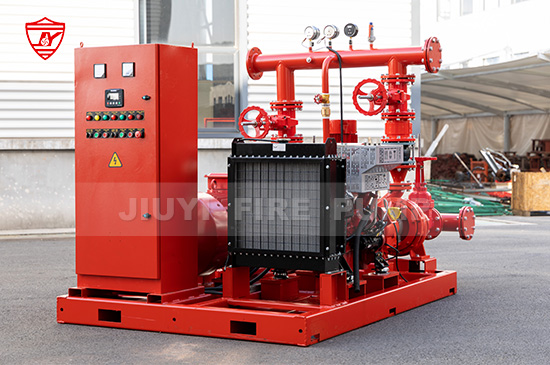
Fire pump pressure surge is not an unavoidable problem. With proper fire pump selection, intelligent system design, correct pressure settings, and reliable surge control measures, pressure spikes can be significantly reduced or eliminated.
By addressing pressure surge proactively, fire protection systems become safer, more durable, and more compliant with fire safety requirements. For engineers and facility owners alike, investing in surge control is an investment in system reliability and life safety.