Fire pump controllers play a critical role in the reliability of any fire protection system. Even the best fire pump will fail to perform if its controller is improperly commissioned. Commissioning is not just a formality at the end of installation; it is the process that ensures the fire pump controller operates exactly as intended during an emergency.
For fire protection contractors, engineers, and facility owners, understanding how to commission fire pump controllers correctly is essential for compliance, system reliability, and life safety. This article provides a practical, step-by-step guide to commissioning fire pump controllers successfully, based on industry best practices and common field experience.
Fire pump controller commissioning is the systematic process of verifying that the controller has been installed, wired, configured, and tested according to design documents, applicable standards, and manufacturer requirements.
Commissioning confirms that:
The controller starts the fire pump automatically when required
Manual and emergency operation functions correctly
Alarm and monitoring signals are accurate
Power supplies and protective devices operate as designed
Commissioning typically occurs after installation and before final acceptance testing, but it also forms the foundation for long-term system reliability.
Fire pump controllers are the “brain” of the fire pump system. Improper commissioning can lead to delayed starts, nuisance alarms, failure to transfer power, or even complete system failure during a fire event.
Key reasons commissioning is critical include:
Ensuring compliance with fire codes and standards
Preventing costly rework during acceptance testing
Reducing false alarms and operational issues
Protecting equipment from damage caused by incorrect settings
Ensuring readiness for real emergency conditions
In many cases, fire pump failures traced during inspections are not mechanical pump issues, but controller configuration or wiring errors that were missed during commissioning.
Successful commissioning begins before any testing takes place. Skipping preparation is one of the most common causes of commissioning delays and failures.
Before powering up the controller, review:
Approved shop drawings
Electrical single-line diagrams
Fire pump specifications
Controller manufacturer manuals
Project fire protection design criteria
Confirm that the controller type, voltage, phase, and control features match the approved design.
Perform a thorough inspection of the controller installation:
Verify the controller is securely mounted and level
Check enclosure condition and environmental protection
Confirm required clearances for operation and maintenance
Inspect wiring for proper routing, labeling, and termination
Ensure grounding and bonding are correctly installed
Any visible defects should be corrected before energizing the controller.
Fire pump controllers require a reliable and dedicated power supply. Confirm:
Utility power is available and stable
Voltage and phase match controller nameplate
Circuit breakers or disconnects are correctly rated
Emergency or alternate power sources are installed if required
Power supply issues are one of the most common causes of commissioning failures.
Once inspections are complete, energize the controller following manufacturer instructions.
During initial power-up:
Observe for abnormal sounds, smells, or alarms
Verify controller display or indicators initialize correctly
Confirm no fault or trouble conditions are present
If any abnormal conditions occur, de-energize the controller and investigate before proceeding.
Set controller parameters according to project requirements:
System pressure settings
Start and stop logic
Alarm thresholds
Time delays (where applicable)
For fire pump controllers, automatic shutdown is typically restricted. Ensure stop functions comply with code requirements and design intent.
Incorrect pressure or timing settings are a frequent cause of nuisance starts or failure to start.
Automatic starting is the most critical function of the fire pump controller.
Simulate a pressure drop in the system:
Slowly reduce pressure using a test valve or drain
Observe controller response
Confirm pump starts at the designated pressure setting
Verify:
Start is smooth and timely
No unexpected alarms occur
Controller remains in run condition until manually stopped
This test validates that the controller responds correctly to fire demand.
Manual operation provides redundancy in case automatic controls fail.
Test manual start functions:
Start the pump using the controller’s manual start button or switch
Confirm immediate pump operation
Verify manual controls override automatic settings as intended
Manual start must function independently of pressure sensing devices.
Fire pump controllers generate multiple alarms and status signals that are critical for monitoring.
Verify each signal individually:
Pump running
Power available
Phase failure or reversal
Controller trouble
Loss of power
Confirm signals are correctly transmitted to:
Fire alarm control panel
Building management system
Remote monitoring systems
Incorrect alarm wiring is a common issue discovered during acceptance testing.
If the system includes multiple power sources, power transfer testing is mandatory.
Simulate loss of normal power:
De-energize the primary power source
Observe controller response
Confirm automatic transfer to alternate power if applicable
Verify:
Pump continues to run without interruption
Alarms activate correctly
Controller does not shut down unintentionally
This test confirms system reliability during real emergency conditions.
After testing, shut down the pump according to approved procedures:
Use the proper stop method defined by code and design
Reset alarms and controller status
Confirm system returns to normal standby condition
Improper shutdown procedures can cause confusion during inspections and future maintenance.
Diesel fire pump controllers require additional checks beyond electric controllers.
Key points include:
Engine start battery condition and charging
Fuel level and fuel solenoid operation
Cranking cycles and rest periods
Engine alarms and shutdown protections
Verify both automatic and manual engine start functions, and ensure alarms such as low oil pressure and high temperature are indicated correctly without preventing fire pump operation.
Understanding common mistakes helps avoid delays and rework.
Pressure switches set too high or too low can cause:
Failure to start during fire demand
Frequent nuisance starts
Always verify settings against hydraulic calculations and design documents.
Testing only “pump running” and ignoring other alarms often leads to failed acceptance tests. Every alarm and supervisory signal must be verified.
Incorrect identification of normal and alternate power sources can create confusion during inspections and emergency response.
Each controller manufacturer has specific commissioning steps. Ignoring these instructions can void warranties and create operational risks.
Proper documentation is as important as testing itself.
Commissioning records should include:
Test procedures performed
Measured values and settings
Any deficiencies corrected
Final controller configuration
These records support:
Authority Having Jurisdiction approval
Future maintenance and troubleshooting
Facility safety audits
Complete and accurate documentation demonstrates system readiness and professionalism.
Commissioning is not the end of the controller’s lifecycle. To maintain reliability:
Schedule regular inspection and testing
Train facility personnel on controller operation
Keep controller settings documented and secured
Address alarms immediately when they occur
Well-commissioned fire pump controllers experience fewer failures and longer service life.
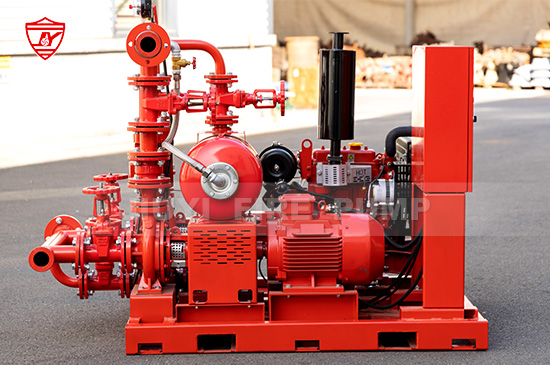
Successful fire pump controller commissioning is essential to the performance of the entire fire protection system. It requires careful preparation, systematic testing, attention to detail, and strict adherence to design requirements and manufacturer instructions.
By following a structured commissioning procedure, verifying all operating modes, and documenting results properly, fire protection professionals can ensure that fire pump controllers will perform reliably when they are needed most. In fire safety, there is no margin for error, and proper commissioning is the foundation of dependable fire protection.