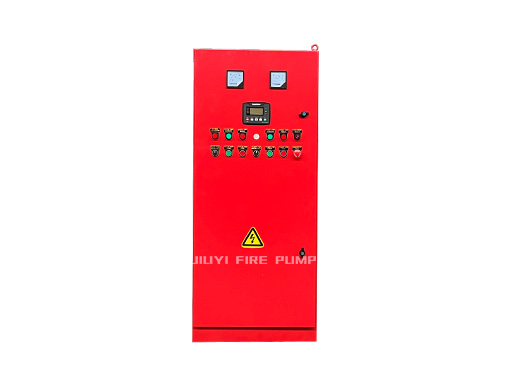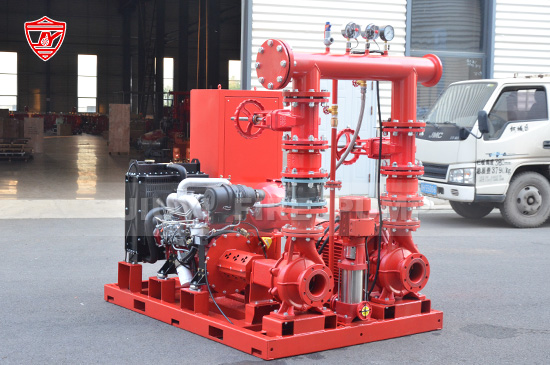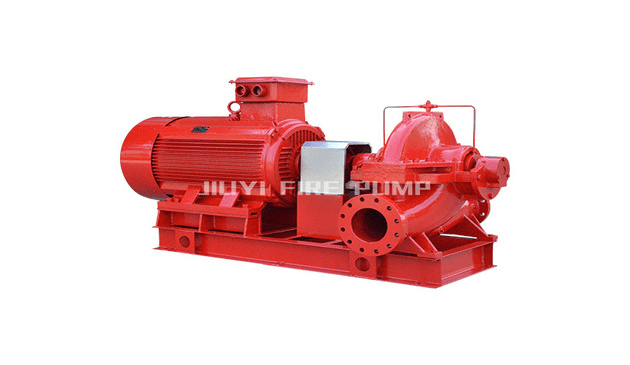
Diesel fire pumps play a critical role in fire protection systems, especially in facilities where electric power reliability cannot be guaranteed. Unlike electric fire pumps, diesel engine fire pumps rely entirely on fuel availability and fuel system integrity to operate during emergencies. This is why industry standards, fire codes, and best engineering practices all emphasize one core requirement: diesel fire pumps must be supplied by a dedicated fuel system.
Understanding why a dedicated fuel system is mandatory is essential for fire protection engineers, contractors, building owners, and facility managers. It is not merely a design preference, but a life-safety requirement rooted in reliability, compliance, and risk prevention.
This article explains the technical, operational, and regulatory reasons behind dedicated fuel systems for diesel fire pumps, and why compromising on this aspect can jeopardize the entire fire protection strategy.
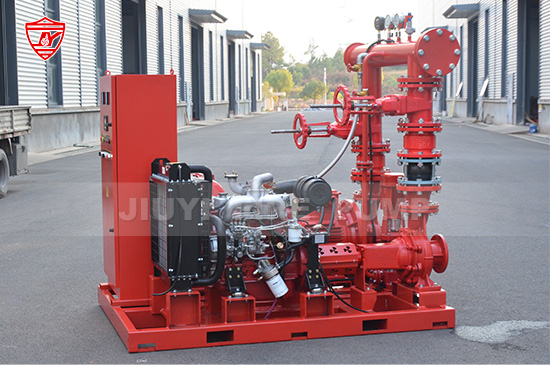
Diesel fire pumps are primarily selected for one reason: independence from external power sources. In many regions and applications, diesel fire pumps are preferred or required when:
Utility power is unreliable or unavailable
Emergency generators cannot be guaranteed to start
Facilities are in remote or industrial locations
Fire protection systems must remain operational during power failures
When a fire occurs, power outages are common. Electrical infrastructure may be damaged, intentionally shut down, or overloaded. A diesel fire pump provides a self-contained source of mechanical power to deliver water at the required pressure and flow, regardless of electrical conditions.
However, this independence only exists if the diesel engine has a reliable and protected fuel supply.
A dedicated fuel system means that the diesel fire pump has its own exclusive fuel supply, designed solely to support fire pump operation. This system typically includes:
A dedicated diesel fuel tank sized according to fire code requirements
Fuel supply and return lines serving only the fire pump engine
Filtration and fuel conditioning components
Venting, level indication, and overflow protection
Physical separation from other equipment fuel systems
The key principle is simple: no other equipment is allowed to consume or interfere with the fire pump’s fuel supply.
Fire pump systems are expected to operate under the worst possible conditions. During a fire emergency:
Power may be lost
Normal building operations may be disrupted
Personnel may not be available to troubleshoot equipment
Systems must function automatically and continuously
If a diesel fire pump shares fuel with generators, boilers, vehicles, or other engines, the risk of fuel depletion increases significantly. Even partial fuel consumption by other systems can reduce run time below the minimum required for firefighting operations.
A dedicated fuel system eliminates this uncertainty. It ensures that when the fire pump starts, sufficient fuel is available for the entire duration required to control or suppress the fire.
NFPA 20, the standard for the installation of stationary fire pumps for fire protection, clearly defines fuel system requirements for diesel engine fire pumps. These requirements are not optional guidelines; they are enforceable code provisions adopted by authorities having jurisdiction worldwide.
Key principles enforced by NFPA 20 include:
Fuel must be reserved exclusively for the fire pump
The fuel supply must support a minimum continuous run time
Fuel tanks must be properly constructed, protected, and supervised
Fuel piping must be independent and protected from damage
The intent of these requirements is to remove any single point of failure related to fuel availability. A shared fuel system introduces multiple risks that violate this intent.
Projects that fail to provide a dedicated fuel system often face inspection failures, delayed approvals, or mandatory system modifications.
Diesel engines are highly reliable when supplied with clean, uninterrupted fuel. However, they are equally vulnerable to fuel starvation, contamination, or air intrusion.
Shared fuel systems increase the likelihood of:
Unexpected fuel level drops
Air entering fuel lines due to fluctuating demand
Fuel contamination from other equipment
Improper fuel return routing
A dedicated fuel system allows engineers to design the system specifically for the fire pump engine’s consumption rate, pressure requirements, and return flow characteristics. This stability is essential for reliable engine starting and continuous operation.
Even a brief interruption in fuel supply during a fire event can cause engine shutdown, rendering the entire fire protection system ineffective.
Fire codes typically require diesel fire pumps to operate for a specified minimum duration, often several hours depending on local regulations and hazard classification.
A dedicated fuel system allows accurate calculation and assurance of:
Available fuel volume
Expected fuel consumption rate
Reserve capacity
System endurance under full load
When fuel is shared, there is no reliable way to guarantee that the fire pump will meet its required run time. Other equipment may consume fuel before or during a fire event, leaving insufficient capacity for the fire pump.
In fire protection engineering, assumptions are unacceptable. Dedicated fuel systems replace assumptions with certainty.
In many facilities, diesel engines are used for multiple purposes, such as:
Emergency generators
Industrial machinery
Vehicles or mobile equipment
Backup power units
Sharing fuel between these systems creates operational conflicts, especially during emergencies. For example:
Emergency generators may start automatically during a power outage and consume fuel needed for the fire pump
Maintenance activities on shared fuel systems may unintentionally affect fire pump readiness
Fuel quality management becomes more complex and error-prone
By isolating the fire pump fuel system, these conflicts are completely avoided.
Dedicated fuel systems make it easier to supervise and maintain compliance with inspection and testing requirements.
With a dedicated system, operators can:
Monitor fuel level specifically for the fire pump
Detect leaks or abnormal consumption more easily
Perform inspections without affecting other systems
Maintain accurate maintenance records
Fuel level supervision is a critical part of fire pump system monitoring. Any unexplained drop in fuel level must be investigated immediately. This level of control is nearly impossible with shared fuel systems.
Many fire protection failures are not caused by equipment defects, but by human actions such as:
Using fuel reserved for fire protection
Forgetting to refill tanks after testing
Performing unauthorized modifications
Incorrect valve positioning
A dedicated fuel system reduces the chance of human interference. When fuel is clearly labeled, physically isolated, and reserved only for the fire pump, accidental misuse becomes far less likely.
This is particularly important in industrial or commercial facilities with high personnel turnover or complex operations.
Insurance providers and risk assessors place strong emphasis on fire protection system reliability. Diesel fire pumps with shared fuel systems may be considered higher risk due to increased failure potential.
A dedicated fuel system demonstrates:
Commitment to best practices
Compliance with recognized standards
Reduced likelihood of catastrophic loss
Lower operational risk
In some cases, inadequate fuel system design can affect insurance approval, premiums, or coverage conditions.
From a lifecycle perspective, dedicated fuel systems simplify maintenance and improve long-term reliability.
Benefits include:
Easier troubleshooting
Clear maintenance responsibility
Reduced wear caused by inconsistent fuel conditions
Better fuel quality management
Fire pump systems are expected to remain operational for decades. Designing a dedicated fuel system from the beginning avoids costly retrofits, downtime, and compliance issues in the future.
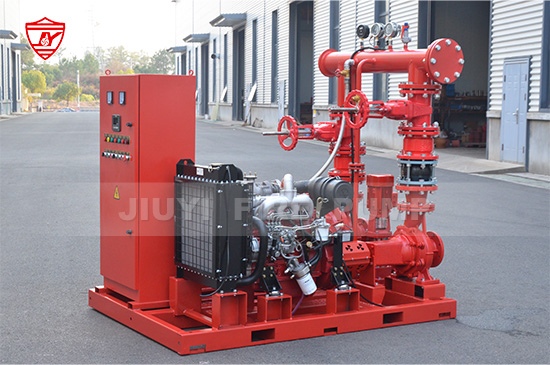
Diesel fire pumps are installed to perform one mission: deliver water reliably when lives and property are at risk. This mission can only be fulfilled if the fire pump engine has a guaranteed, uninterrupted fuel supply.
A dedicated fuel system is not an optional upgrade or a conservative design choice. It is a fundamental requirement driven by reliability, safety, regulatory compliance, and sound engineering principles.
By providing a dedicated fuel system for diesel fire pumps, designers and facility owners ensure that the fire protection system will function exactly as intended when it is needed most. In fire safety, there is no margin for compromise, and fuel system dedication is one of the most critical decisions in diesel fire pump design.