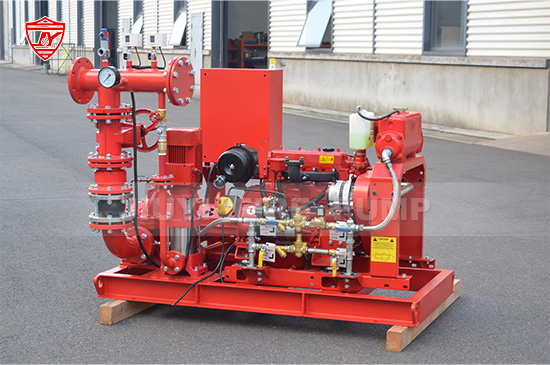
Fire pumps are the heart of any fire protection system. When a fire occurs, the fire pump must start immediately and deliver the required pressure and flow without hesitation. A start-up failure, even for a few seconds, can lead to catastrophic consequences, including system failure, property loss, and threats to life safety.
Despite advances in fire pump design and manufacturing, start-up failures still occur in real-world installations. These failures are rarely caused by a single factor. In most cases, they result from a combination of design issues, improper installation, inadequate commissioning, and insufficient maintenance.
As a fire pump manufacturer with extensive experience supporting projects across different industries, we have observed recurring patterns behind start-up failures. This article provides a practical, field-oriented guide on how to reduce fire pump start-up failure risk by addressing the problem at every stage of the fire pump lifecycle.
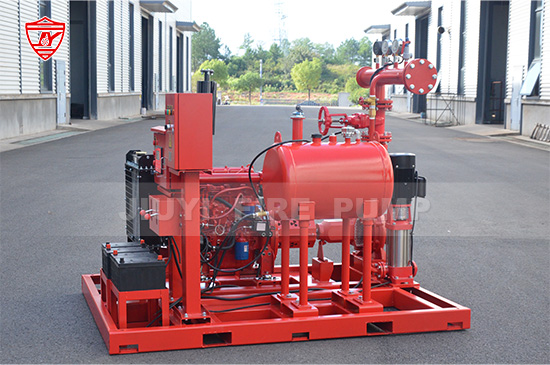
Fire pump start-up failure refers to any situation in which the pump does not start automatically or manually when required, or starts but cannot reach stable operating conditions. This may include failure to rotate, delayed acceleration, abnormal vibration, low discharge pressure, or immediate shutdown after starting.
Common types of start-up failures include electrical faults in electric fire pumps, starting system issues in diesel fire pumps, controller malfunctions, insufficient suction conditions, and mechanical resistance within the pump or driver. Understanding these failure modes is the first step toward effective prevention.
Many start-up failures originate from design decisions made long before the pump arrives on site. Ensuring correct system design is critical for long-term reliability.
Selecting the correct fire pump type, capacity, and pressure rating is essential. Oversized pumps may operate outside their optimal range, increasing mechanical stress during start-up. Undersized pumps may struggle to meet system demand, leading to frequent starts and stops that shorten component life.
Designers should consider the full system curve, available water supply conditions, and required operating points. Fire pumps should operate as close as possible to their rated duty point during start-up.
Poor suction conditions are a leading cause of start-up problems. Inadequate net positive suction head, air entrainment, or undersized suction piping can prevent the pump from achieving stable operation.
Suction piping should be as short and straight as possible, with properly sized pipe diameters and smooth internal surfaces. Eccentric reducers, where required, must be installed correctly to prevent air pockets.
For electric fire pumps, the reliability of the power supply is critical. Voltage drop, insufficient transformer capacity, and improper cable sizing can prevent the motor from accelerating to full speed during start-up.
Power systems should be designed to handle locked-rotor current and starting torque requirements. Coordination between electrical engineers and fire protection designers is essential to avoid start-up failures caused by power limitations.
Even a well-designed fire pump system can fail if installation is not executed correctly. Installation errors are often difficult to detect until the first start-up attempt.
Misalignment between the pump and driver increases friction and mechanical resistance during start-up. This can lead to high starting current, abnormal vibration, and premature wear.
The foundation must be level, rigid, and properly cured before installation. Alignment should be checked and documented after grouting and again before commissioning.
Improperly supported piping can transfer excessive stress to the pump casing. This stress may distort internal clearances, increasing resistance during start-up.
All suction and discharge piping should be independently supported. The pump should not carry the weight of the piping system.
Fire pump controllers must be installed in clean, dry, and temperature-controlled environments. Loose wiring, improper grounding, or incorrect field connections can cause start-up failure even if the controller itself is fully compliant.
All wiring should be checked against approved drawings, and torque values for terminals should follow manufacturer recommendations.
Commissioning is the last opportunity to identify and correct issues before the fire pump is placed into service. Unfortunately, this stage is often rushed or treated as a formality.
Before attempting to start the fire pump, a comprehensive inspection should be conducted. This includes verifying pump rotation, checking lubrication levels, confirming valve positions, and ensuring all safety devices are operational.
For diesel fire pumps, fuel levels, battery condition, cooling systems, and exhaust arrangements must be carefully inspected.
Initial start-up should begin under no-flow or churn conditions to verify basic operation. Once stable operation is confirmed, flow testing should be conducted to ensure the pump can deliver rated performance.
Abnormal noise, vibration, or temperature rise during these tests should never be ignored. These symptoms often indicate underlying issues that can lead to future start-up failures.
Fire pumps are designed to start automatically under pressure drop conditions. Automatic start functions must be tested multiple times to confirm reliability.
Testing should simulate real system conditions, including gradual and rapid pressure drops. The pump should start consistently without delay.
Fire pump controllers are often underestimated in terms of their impact on start-up reliability. Many start-up failures are traced back to control logic or auxiliary components rather than the pump itself.
Faulty or improperly calibrated pressure sensors can prevent the controller from issuing a start command. Pressure sensing lines must be free of air and debris, and isolation valves should remain open during normal operation.
Regular calibration and inspection of pressure switches and transducers significantly reduce false start or no-start conditions.
Complex interlocks or incorrect sequencing can delay or prevent start-up. Fire pump control logic should be as simple and robust as possible, focusing on reliability rather than convenience.
Any interlocks not required by applicable standards should be carefully evaluated for their impact on emergency operation.
Diesel fire pumps introduce additional variables that must be addressed to reduce start-up failure risk.
Contaminated fuel, air in fuel lines, or blocked filters can prevent the engine from starting. Dedicated fuel systems should be used, and fuel quality should be monitored regularly.
Fuel tanks should be sized correctly and protected from water ingress and temperature extremes.
Battery failure is one of the most common causes of diesel fire pump start-up failure. Batteries must be maintained, tested, and replaced according to manufacturer recommendations.
Redundant battery systems should be kept fully operational, and charging systems must be verified during routine inspections.
Improper cooling or exhaust backpressure can cause engines to stall shortly after start-up. Cooling water supply and heat exchangers should be inspected for blockage, corrosion, or leakage.
Reducing start-up failure risk is not a one-time effort. Ongoing maintenance is essential to ensure the fire pump remains ready throughout its service life.
Regular fire pump testing under controlled conditions allows potential problems to be identified early. Both manual and automatic start tests should be performed at defined intervals.
Test results should be recorded and compared over time to identify trends such as increasing start time or declining pressure.
Preventive maintenance should address mechanical components, electrical systems, and control devices. Lubrication schedules, alignment checks, and insulation testing all contribute to reliable start-up performance.
Maintenance activities should be performed by trained personnel familiar with fire pump systems and applicable standards.
Clear documentation and proper training reduce human error during emergency situations. Operators should understand how the fire pump system works, how it starts, and how to respond to alarms or abnormal conditions.
Choosing a fire pump manufacturer that provides technical support throughout the project lifecycle significantly reduces start-up risk. Manufacturer involvement during design review, installation inspection, and commissioning helps identify issues early.
Integrated fire pump packages, where pump, driver, controller, and accessories are designed and tested together, also improve start-up reliability by reducing compatibility issues.
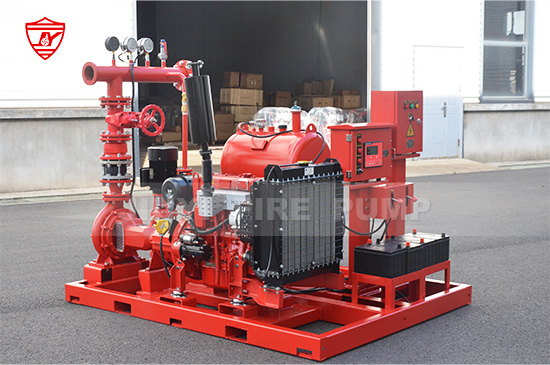
Fire pump start-up failure is not an inevitable risk. In most cases, it is preventable through proper design, careful installation, thorough commissioning, and disciplined maintenance.
By addressing start-up reliability at every stage of the fire pump lifecycle and by working closely with experienced manufacturers, engineers, and contractors, system owners can significantly reduce the risk of failure when the fire pump is needed most.
A fire pump that starts reliably is not just a piece of equipment. It is a critical safeguard for life safety, property protection, and regulatory compliance. Investing in start-up reliability is investing in the core purpose of the entire fire protection system.
.jpg)