
Choosing the right fuel tank for a diesel fire pump is a crucial step in ensuring that your fire protection system performs reliably when it is needed most. A diesel fire pump depends entirely on a continuous supply of clean, stable fuel to operate during an emergency. If the fuel tank is poorly sized, made with the wrong material, installed incorrectly, or not compliant with recognized standards, the performance of the entire fire protection system can be compromised.
A well-selected fuel tank ensures uninterrupted engine operation and long-term reliability. In fire safety, where downtime and failure are unacceptable, every detail matters. This article provides a comprehensive guide to selecting the right fuel tank for diesel fire pumps, covering sizing, materials, regulatory requirements, installation considerations, and ongoing maintenance.
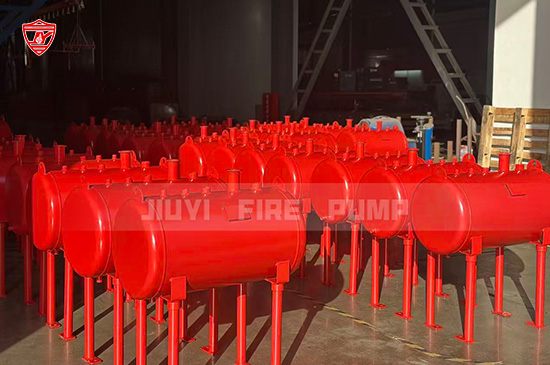
Unlike electric fire pumps that rely on a consistent power supply, diesel fire pumps deliver independent and dependable operation even during power failures. Their mission-critical role in emergencies requires the fuel tank to support continuous operation for long durations.
A reliable fuel tank must:
Provide adequate fuel supply based on engine consumption
Protect the fuel from contamination
Comply with fire protection standards and codes
Support emergency operation for the required duration
Prevent leaks and environmental hazards
If any of these aspects fail, the entire diesel pump set may not perform as intended. Therefore, selecting a fuel tank is not just about choosing a container, but ensuring system reliability and code compliance.
Tank capacity is the most important factor when choosing a fuel tank. Underestimating fuel requirements can lead to fire pump failure during a long-duration emergency.
NFPA 20 specifies that the fuel tank must contain enough fuel for:
A minimum of 8 hours of fire pump operation
Based on the engine’s manufacturer-specified fuel consumption rate at 100% load
Some local jurisdictions require 12 or even 24 hours of fuel storage. Always verify your local fire code or project specification.
Fuel consumption varies by engine size, typically ranging from 15 to 60 liters per hour. To calculate tank size:
Tank Size = Brake Specific Fuel Consumption × Required Running Hours × Safety Margin
A typical safety margin is 10–25% to compensate for unexpected load, testing, aging, or evaporation.
Your fuel tank must also support:
Weekly or monthly pump testing
Long-duration flow tests
Fuel aging and sediment accumulation
An undersized tank may cause the system to run out of fuel over time due to routine testing. Oversizing, on the other hand, minimizes the risk and reduces frequent refueling.
Fuel tank material influences durability, corrosion resistance, safety, and cost. The most common options include:
Most widely used
Strong and cost-effective
Suitable for indoor pump rooms
Ensure proper corrosion protection, especially in humid environments.
Excellent corrosion resistance
Ideal for humid climates, coastal areas, underground rooms
Longer lifespan but higher cost
Stainless steel ensures fuel quality remains stable for years.
Lightweight and corrosion-resistant
Suitable for above-ground or underground use
Not as strong as steel, must be supported properly
Enhanced environmental protection
Integrated leak detection
Often required in environmentally sensitive projects
Choosing the right material depends on your environment, budget, and regulatory requirements.
Depending on space, access, and installation requirements, you will choose between horizontal or vertical configurations.
Most common for diesel fire pump applications
Easier to maintain
Stable and suitable for large capacities
Requires larger floor space
Ideal for tight spaces
Smaller footprint
More challenging for maintenance
Limited tank sizes available
Your fuel tank layout should support easy access for filling, inspection, and maintenance.
Fire pump fuel tanks must comply with international or local standards. The major guidelines include:
Sets minimum sizing requirements
Defines installation distances and safety provisions
Specifies fuel system piping, valves, and supports
While certification requirements vary, certified tanks:
Provide tested reliability
Reduce project approval time
Ensure compatibility with fire pump systems
Some regions require:
Secondary containment
Double-wall tanks
Specific painting or labeling
Tank ventilation and fire-rated enclosures
Ensuring compliance early in the project avoids costly modifications later.
A diesel fire pump fuel tank must be designed with features that enhance reliability, safety, and maintenance.
Should include:
Mechanical gauge
Electronic fuel transmitter
Low-level and critical level alarms
Real-time monitoring prevents unexpected shutdowns.
Tanks must include:
Normal vent
Emergency vent
Flame arrestor
Venting prevents pressure buildup and ensures safety during temperature changes.
A bottom drain helps remove water, debris, and sludge. Clean fuel is essential for engine reliability.
Connections must meet diesel engine manufacturer requirements.
Return lines must be properly routed to prevent overheating or air entrainment.
Double-wall tanks or containment basins minimize environmental risk and meet local regulations.
These allow internal inspection and cleaning, contributing to long-term performance.
Fuel tank installation has a major impact on system reliability. Even the best tank will fail if installed improperly.
Common installation locations include:
Inside the fire pump room
Adjacent to the diesel pump skid
Outside the building with protected piping
Indoors is preferred for temperature stability and fuel protection.
There must be enough space for:
Refilling
Maintenance
Inspection
Emergency access
Restricted access can lead to neglected maintenance or unsafe conditions.
Diesel fuel degrades faster in hot or humid environments.
High temperatures can cause:
Bacterial growth
Fuel oxidation
Sludge formation
Install the tank in a temperature-controlled or shaded area when possible.
Install according to:
Minimum distance from engines
Protected routing for fuel lines
Fire-rated rooms and separation walls
Proper isolation helps prevent fire spread and protects the fuel supply.
Poor fuel quality is one of the leading causes of diesel fire pump failure. To ensure fuel integrity:
Only use high-quality diesel that meets the engine manufacturer’s specifications.
Fuel should be inspected periodically for:
Water content
Sediment
Bacterial contamination
Testing frequency depends on environment and project requirements.
Fuel stabilizers help maintain fuel quality for long storage periods.
Biocides prevent bacterial growth inside the tank.
Keep the tank sealed except for necessary venting.
Reduce exposure to dust, moisture, and contamination sources.
Routine maintenance ensures your tank delivers decades of safe service.
Key maintenance points include:
Checking fuel levels weekly
Inspecting for leaks or corrosion
Draining water and sludge periodically
Testing the engine during routine pump operation
Cleaning the tank internally during scheduled shutdowns
Maintenance should follow NFPA 25 guidelines and engine supplier recommendations.
Many companies encounter issues because the tank selection was rushed or incomplete. Avoid these mistakes:
Selecting a tank based on price instead of compliance
Underestimating fuel consumption
Choosing the wrong material for the environment
Installing the tank without secondary containment where required
Ignoring long-term maintenance access
Not considering local fire authority requirements
Proper planning prevents costly redesigns or system failures.
The fuel tank is an essential component of every diesel fire pump system. It ensures that the pump can operate independently during power outages, emergencies, and long-duration fire events. Choosing the right tank involves understanding fuel consumption, regulatory standards, material selection, installation considerations, and ongoing maintenance.
.jpg)
.jpg)