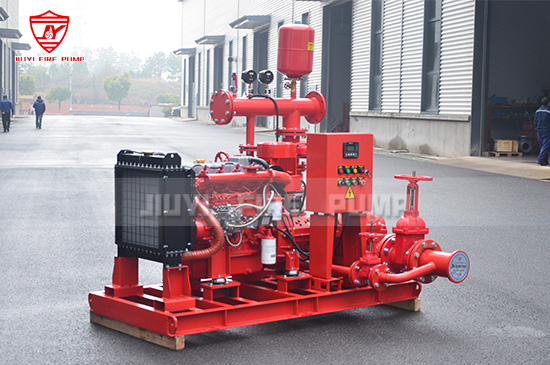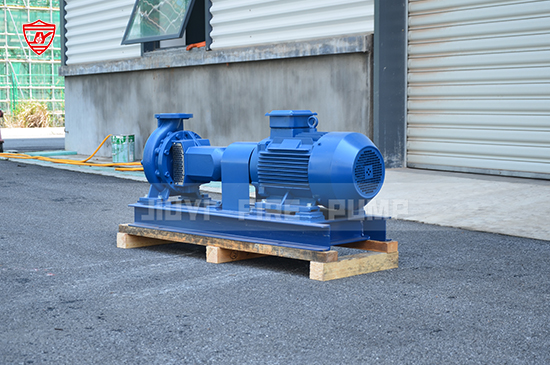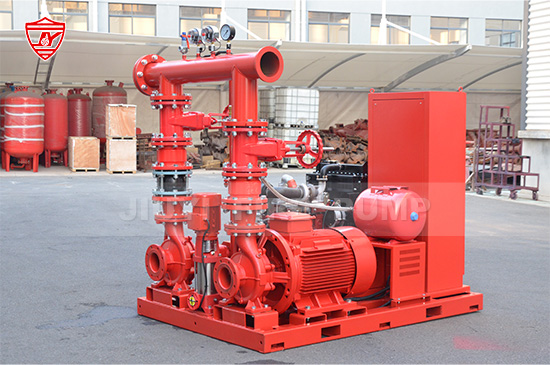
A well-maintained fuel tank is essential for ensuring the reliable operation of any diesel engine fire pump system. In fire protection engineering, diesel fire pumps are frequently installed as the backup or primary driver where the electrical supply is unreliable or where NFPA 20 requires dual-power redundancy. Even the best-engineered fire pump cannot operate if the diesel engine fails to receive clean, stable fuel. This is why fuel tank maintenance is a critical component of long-term fire pump system reliability.
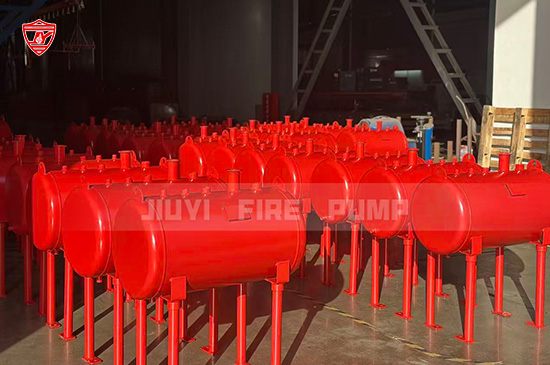
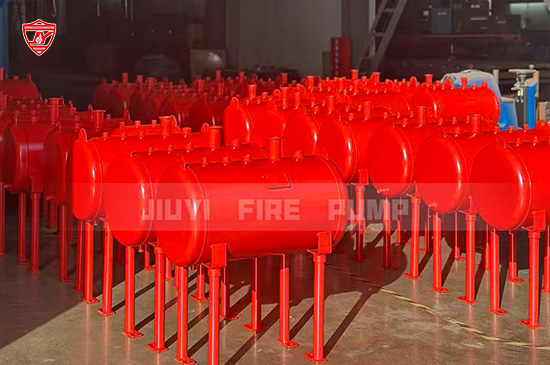
Fuel tanks used with fire pump engines are usually atmospheric steel tanks designed according to NFPA 20 standards. They are typically sized for 8, 12, or 24 hours of engine operation, depending on local codes. However, once installed, they are often overlooked until a fire pump fails an acceptance test, a weekly run, or, worse, during an actual emergency. To prevent downtime, corrosion, or contaminated fuel from damaging your engine, a proactive maintenance plan is necessary.
This article provides a complete guide on how to maintain your fuel tank for long-term use, focusing on standards-based best practices, inspection routines, cleaning processes, and the most common issues affecting diesel fire pump fuel storage.
Fuel quality directly affects engine performance. Unlike vehicles that regularly cycle through fuel, fire pump diesel tanks may store the same fuel for months or even years. During this time, contamination can occur from water intrusion, microbial growth, corrosion, or sludge formation. When the pump is needed during an emergency, contaminated fuel can:
block filters
cause injector failure
create insufficient engine power
prevent startup entirely
Additionally, compliance with standards such as NFPA 20, NFPA 25, and local fire codes requires periodic inspection and maintenance of the tank. Fire authorities often check this during annual system reviews. Neglecting fuel tank maintenance can lead to system non-compliance, fines, and safety risks.
For these reasons, regular fuel tank maintenance is not only a technical requirement but also a vital part of your facility’s overall fire protection strategy.
A typical fire pump diesel fuel tank includes:
Tank body (steel construction)
Fuel inlet and return lines
Vent and overflow lines
Fuel supply line to engine
Level gauge
Drain and inspection ports
Emergency vents
Leak detection or containment basin
Before you begin any maintenance routine, ensure you understand the tank’s design, capacity, and key components. Review the manufacturer's specifications and any as-built drawings provided during system commissioning.
Different tank types—base-mounted day tanks, underground tanks, above-ground tanks—have unique maintenance requirements. However, the principles for long-term use remain similar.
Fuel quality is one of the most important factors affecting fire pump reliability. Diesel fuel naturally degrades over time due to oxidation and contamination. NFPA 25 recommends periodic inspection and testing of stored fuel.
Key inspection steps include:
Water can enter the tank through:
condensation
loose fittings
faulty vent caps
humidity
Water promotes microbial growth (commonly called diesel “algae”), which forms sludge and corrodes the tank. Inspect for:
cloudy fuel
separation layers
water at the bottom (check via bottom sample port)
Fresh diesel has a clear amber color. Darkened or hazy fuel indicates oxidation or contamination.
Ensure vents are free from blockages. A blocked vent may cause tank pressure issues and allow moisture entry.
Float gauges, level indicators, or electronic sensors should function accurately to prevent overfilling or shortage.
Although fire pump tanks are typically coated, external corrosion can still occur, especially in humid pump rooms.
Perform these inspections at least quarterly. For high-humidity environments or critical facilities, monthly checks are recommended.
Corrosion is the silent enemy of steel fuel tanks. It can weaken the tank, cause leaks, contaminate fuel, and increase maintenance costs.
To prevent corrosion:
Ensure the tank is always filled above 80% capacity to reduce air space that causes internal condensation.
Maintain proper ventilation with functioning breathers.
Use anti-corrosion coatings during installation and recoat if needed.
Install water traps or moisture filters if feasible.
Inspect the tank’s outer surface for early signs of rust.
Internal corrosion often results from water accumulation. Removing water regularly is one of the most effective ways to protect your tank.
Over time, diesel fuel oxidizes and forms sediment. When contamination exceeds acceptable limits, fuel polishing is recommended.
Fuel polishing is the process of filtering and cleaning stored diesel using specialized equipment. It removes:
water
sludge
microbial contamination
particulates
If the fuel is severely degraded, complete fuel replacement may be required. After replacement, clean the tank interior to prevent immediate recontamination.
Perform fuel polishing every 1–2 years or sooner if fuel tests indicate poor quality.
Tank cleaning is one of the most important long-term maintenance tasks but is often overlooked because the tank may appear functional from the outside.
Internal cleaning removes:
rust flakes
sludge buildup
microbial deposits
contaminated fuel layers
NFPA guidelines recommend periodic tank cleaning based on condition, fuel quality test results, and usage environment. For fire pump systems, a cleaning interval of every 3–5 years is effective, depending on conditions.
This procedure should be done by certified professionals who follow confined-space safety requirements.
Fuel testing provides hard data on fuel quality and helps you determine when polishing or replacement is needed. Common tests include:
water content
microbial contamination
sulfur level
particulate count
viscosity
flash point
Fuel testing should be conducted annually at minimum. For critical facilities—hospitals, high-rise buildings, airports, industrial plants—semi-annual testing is recommended.
The pump room or tank area also impacts long-term tank performance. Environmental factors often accelerate deterioration.
To maintain a stable environment:
Keep the room well-ventilated to reduce humidity.
Prevent dust accumulation around the tank.
Ensure the area remains free from chemical spills and corrosive materials.
Protect tank components from mechanical damage (e.g., forklift traffic, storage items).
Temperature swings can create condensation inside the tank. A stable environment significantly extends fuel and tank life.
Beyond the tank itself, all components in the fuel system require inspection, including:
supply and return lines
shutoff valves
pressure indicators
strainers and filters
flexible hoses
engine fuel injectors
Filters should be replaced according to engine manufacturer recommendations or sooner if contamination is present.
Check all piping connections for leaks and ensure valves operate smoothly. Corroded or damaged fuel lines pose a serious fire risk and must be replaced immediately.
NFPA 20 (Standard for the Installation of Stationary Fire Pumps) outlines requirements for diesel fuel tank capacity, construction, and installation. NFPA 25 (Standard for the Inspection, Testing, and Maintenance of Water-Based Fire Protection Systems) provides detailed maintenance and inspection requirements.
Key NFPA-related practices:
Weekly fire pump diesel engine test running
Monthly fuel tank inspection
Annual fuel quality testing
Maintaining minimum fuel levels at all times
Ensuring the tank meets capacity requirements based on engine horsepower
Following these standards ensures compliance and provides documentation for insurance and fire authority audits.
A proactive maintenance plan prevents surprises and ensures your fuel tank and fire pump operate reliably for many years.
A sample maintenance schedule:
Check fuel level
Listen for abnormal diesel engine noises
Inspect tank exterior, gauges, and fittings
Check water drain for moisture
Inspect vent lines
Take bottom samples
Check fuel clarity
Inspect for corrosion
Conduct full fuel testing
Check internal tank condition (if possible)
Replace fuel filters
Clean tank interior
Perform fuel polishing if not done earlier
Having a documented maintenance plan provides clarity for facility teams and ensures long-term system health and compliance.
Maintaining your fuel tank for long-term use is essential for ensuring the reliability of your diesel fire pump. Proper maintenance prevents fuel degradation, corrosion, contamination, and unexpected failures. By establishing a consistent inspection routine, testing fuel regularly, cleaning the tank when needed, and following NFPA guidelines, you can ensure your fire pump system performs flawlessly when it matters most.