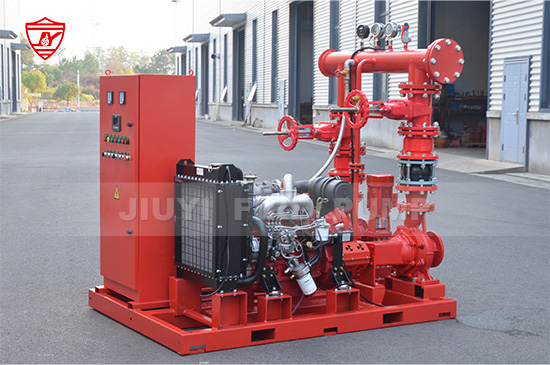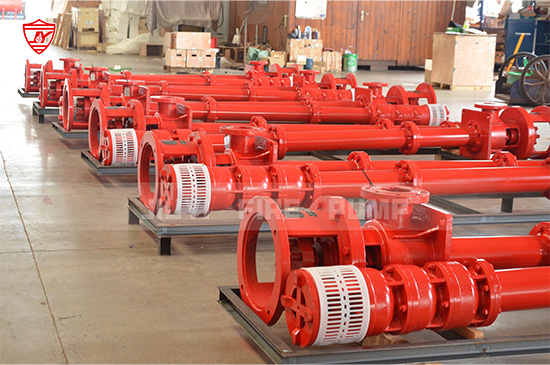
Fire pumps are the heart of any fire protection system. When a fire emergency occurs, the fire pump must start immediately and operate reliably under full load. However, in humid environments, fire pumps are exposed to persistent moisture, condensation, and corrosion risks that can significantly reduce their reliability if not properly managed.
High humidity is common in coastal regions, tropical climates, underground pump rooms, industrial facilities, and water treatment plants. Without targeted design, installation, and maintenance measures, humidity can lead to premature component failure, electrical faults, and mechanical degradation.
This article explores the main challenges fire pumps face in humid environments and provides practical, proven strategies to improve fire pump reliability, extend service life, and ensure compliance with fire safety standards.

Why Humidity Is a Serious Threat to Fire Pump Reliability
Humidity affects fire pumps in both visible and hidden ways. Unlike sudden mechanical failures, moisture-related damage often develops gradually, making it harder to detect during routine inspections.
Common Humidity-Related Problems in Fire Pumps
-
Corrosion of pump casing, shafts, and fasteners
-
Rust formation on bearings and coupling components
-
Electrical insulation degradation in motors and control panels
-
Condensation inside pump housings and fuel tanks
-
Reduced lubrication effectiveness
-
Increased risk of control system malfunction
Even UL listed and NFPA compliant fire pumps can experience reliability issues if environmental conditions are not adequately addressed.
Selecting the Right Fire Pump Materials for Humid Environments
Material selection is the first line of defense against moisture-related damage.
Corrosion-Resistant Pump Components
In humid environments, standard carbon steel components may corrode rapidly. To improve reliability:
-
Use cast iron with enhanced corrosion resistance for pump casings
-
Apply epoxy or anti-corrosion coatings to exposed metal surfaces
-
Select stainless steel or treated alloy steel for shafts, fasteners, and critical hardware
-
Use corrosion-resistant base frames and anchor bolts
Protective surface treatments significantly slow down rust formation and extend operational life.
Shaft Seals and Gaskets
Moisture intrusion often occurs through poorly sealed interfaces.
-
Use high-quality mechanical seals designed for continuous moisture exposure
-
Select elastomers compatible with high humidity and temperature variations
-
Ensure proper seal installation to avoid micro-leakage
A reliable sealing system prevents moisture from reaching bearings and internal rotating parts.
Protecting Electric Fire Pumps from Moisture Damage
Electric fire pumps are especially sensitive to humidity because of their electrical components.
Motor Insulation and Enclosure Protection
Moisture weakens motor insulation over time, increasing the risk of short circuits and startup failure.
-
Use motors with high insulation class ratings
-
Select motors with suitable enclosure protection for humid environments
-
Ensure cable entry points are sealed to prevent moisture ingress
-
Apply anti-condensation heaters inside motor housings where required
Control Panel Moisture Control
Fire pump controllers are critical to system reliability.
-
Install controllers in well-ventilated, temperature-controlled rooms
-
Use anti-condensation heaters inside control cabinets
-
Ensure door gaskets and seals are intact
-
Avoid placing controllers directly against cold walls where condensation forms
Electrical reliability is directly linked to environmental control.
Improving Diesel Fire Pump Reliability in High Humidity
Diesel engine fire pumps face additional challenges in humid conditions.
Fuel System Protection
Humidity can cause water accumulation in fuel tanks, leading to engine performance issues.
-
Use fuel tanks with proper drainage systems
-
Regularly inspect and remove water contamination
-
Keep fuel tanks sealed to minimize moisture ingress
-
Use fuel filters designed to separate water effectively
Engine Corrosion Prevention
Diesel engines include many exposed metal components.
-
Apply anti-corrosion coatings to engine surfaces
-
Use corrosion-inhibited coolant and lubricants
-
Ensure exhaust components are protected against condensation corrosion
Battery and Electrical Starting System
High humidity accelerates battery terminal corrosion.
-
Use sealed batteries designed for harsh environments
-
Apply protective coatings to battery terminals
-
Inspect charging systems regularly to ensure reliable starting
A failed starting system is one of the most common diesel fire pump failures in humid regions.
Fire Pump Room Design and Environmental Control
Even the best fire pump design cannot compensate for a poorly designed pump room.
Ventilation and Air Circulation
Proper airflow reduces moisture accumulation.
-
Ensure adequate ventilation openings according to fire standards
-
Avoid stagnant air zones where condensation can form
-
Use forced ventilation if natural airflow is insufficient
Temperature Control
Humidity problems are often caused by temperature differences.
-
Avoid large temperature fluctuations in pump rooms
-
Insulate walls and ceilings to reduce condensation
-
Keep pump rooms above dew point temperatures
Drainage and Water Management
Standing water dramatically increases corrosion risk.
-
Install proper floor drainage systems
-
Prevent water leakage from nearby pipes
-
Keep pump room floors dry at all times
A dry, well-ventilated pump room is essential for long-term fire pump reliability.
Preventing Condensation Inside Fire Pumps
Condensation can form even when external moisture appears controlled.
Causes of Internal Condensation
-
Sudden temperature drops
-
Infrequent pump operation
-
High ambient humidity combined with cold metal surfaces
Practical Prevention Measures
-
Install casing heaters for standby fire pumps
-
Perform regular circulation or churn tests
-
Maintain consistent ambient temperature
-
Ensure pumps are not installed directly on cold concrete without insulation
These measures reduce internal moisture buildup that leads to hidden corrosion.
Lubrication Strategies for Humid Environments
Moisture contamination reduces lubricant effectiveness.
Bearing and Coupling Protection
-
Use lubricants with moisture-resistant properties
-
Follow manufacturer-recommended lubrication intervals
-
Inspect grease for signs of water contamination
-
Replace lubricants immediately if moisture is detected
Proper lubrication prevents bearing seizure and vibration issues.
Maintenance Practices That Improve Reliability
Preventive maintenance is especially critical in humid environments.
Enhanced Inspection Frequency
-
Increase inspection intervals compared to dry environments
-
Focus on corrosion-prone components
-
Check electrical insulation resistance regularly
Documentation and Trending
-
Record humidity levels in pump rooms
-
Track corrosion progression over time
-
Identify patterns before failures occur
Compliance with Fire Standards
-
Follow NFPA maintenance and testing requirements
-
Ensure weekly and monthly testing is performed correctly
-
Verify that environmental conditions do not violate manufacturer recommendations
Reliable fire pump operation depends on consistent, documented maintenance.
Design Considerations for New Fire Pump Installations
For new projects, environmental challenges should be addressed at the design stage.
Manufacturer Collaboration
-
Select fire pump manufacturers with experience in humid environments
-
Request material and coating options suited for high humidity
-
Confirm environmental operating limits during specification
Long-Term Reliability Focus
Designing for humidity from the beginning is more cost-effective than corrective actions later.
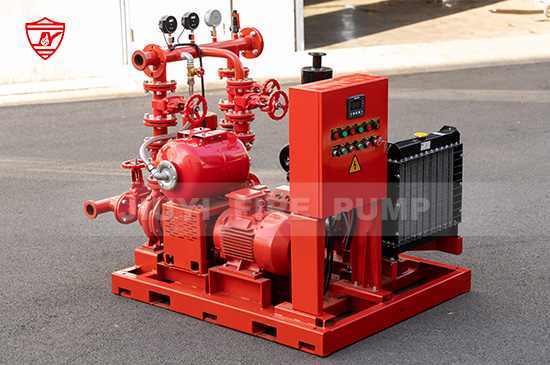
Final Thoughts
Improving fire pump reliability in humid environments requires a comprehensive approach that combines proper material selection, environmental control, electrical protection, and disciplined maintenance. Humidity-related failures are often preventable when risks are identified early and addressed systematically.
For fire safety systems, reliability is not optional. A fire pump must perform flawlessly when needed most. By applying the strategies outlined in this article, facility owners, engineers, and fire protection professionals can significantly reduce moisture-related failures and ensure long-term, dependable fire pump operation—even in the most challenging humid conditions.
.jpg)