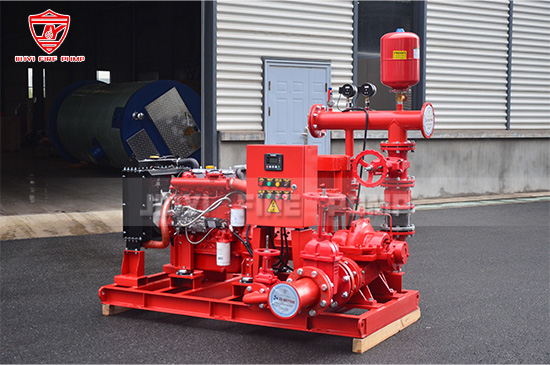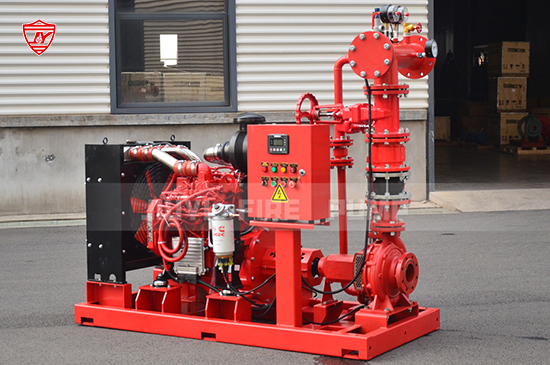
Fire pump systems are the heart of any active fire protection system. While selecting a UL listed fire pump and ensuring NFPA 20 compliance are essential, the physical layout of the fire pump room is equally critical. A poorly designed pump room can delay inspections, complicate maintenance, increase failure risks, and even lead to non-compliance during authority inspections.
Optimizing fire pump room layout for inspection access is not only a best practice but a long-term investment in system reliability, safety, and operational efficiency. This article provides a practical, manufacturer-oriented guide to designing fire pump rooms that support efficient inspection, testing, and maintenance throughout the system’s lifecycle.
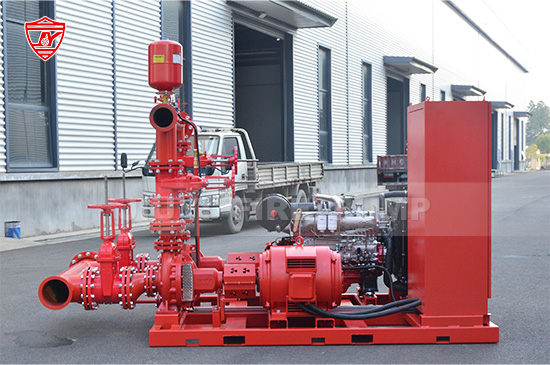
Fire pumps are not “install and forget” equipment. They require regular inspection, weekly or monthly testing, annual performance evaluations, and occasional repairs. If inspectors and technicians cannot safely and easily access critical components, the likelihood of missed defects and system failure increases significantly.
Poor inspection access can result in:
Delayed detection of mechanical or electrical issues
Increased labor time and maintenance costs
Safety hazards for technicians
Non-compliance with fire codes and insurance requirements
From a fire safety perspective, accessibility directly impacts reliability. From a business perspective, it affects lifecycle cost and regulatory approval.
Before discussing layout optimization, it is essential to understand the regulatory framework that governs fire pump rooms.
NFPA 20 provides clear guidance on fire pump room design, emphasizing:
Adequate clearances around pumps, drivers, and controllers
Safe access to all serviceable components
Unobstructed pathways for inspection and removal
Local fire codes, insurance requirements, and authority having jurisdiction expectations may add additional constraints, but NFPA 20 remains the baseline reference worldwide.
Optimizing inspection access starts with interpreting these requirements correctly and applying them practically during design and construction.
Clearance is the foundation of inspection access. Each major component must be accessible without removing unrelated equipment or structural elements.
Recommended layout practices include:
Sufficient space around the pump casing for visual inspection and alignment checks
Adequate clearance behind and beside drivers for lubrication, cooling, and service access
Clear space in front of controllers for safe operation and testing
Crowding equipment to minimize room size may reduce construction cost initially, but it significantly increases inspection difficulty and long-term maintenance expense.
Inspectors should be able to move freely from the entrance to every inspection point without climbing, bending excessively, or passing through hazardous zones.
Effective access planning includes:
Direct walkways from doors to pumps and controllers
No piping, cable trays, or valves blocking access routes
Sufficient headroom for standing inspection
Unobstructed access also improves emergency response if immediate intervention is required during testing or system activation.
Fire pump inspection follows a logical sequence: suction piping, pump casing, coupling, driver, controller, discharge piping, and accessories. The layout should support this natural flow.
Best practices include:
Aligning pump, driver, and controller in a linear or logical arrangement
Positioning gauges, valves, and instruments at visible and reachable heights
Avoiding overlapping inspection zones that force inspectors to backtrack
A well-organized layout reduces inspection time and minimizes the chance of overlooked components.
Diesel fire pump rooms demand additional space and planning due to fuel systems, exhaust, and cooling requirements.
Key inspection-related considerations:
Clear access to fuel tanks, filters, and piping
Adequate space around radiators or heat exchangers
Safe clearance near exhaust piping and silencers
Visibility of engine instruments and alarms
Inspection access must allow technicians to check fuel quality, cooling performance, and engine condition without dismantling surrounding equipment.
Electric fire pumps typically require less space than diesel units but still demand careful planning for electrical inspection.
Important layout factors:
Front and side access to controllers and transfer switches
Clear working space for electrical testing and troubleshooting
Separation of electrical components from water leakage risks
Electrical inspectors often require minimum working clearances, which must be incorporated into the initial layout design.
Inspection access is not only about floor space but also vertical positioning.
Effective use of vertical space includes:
Mounting gauges and instruments at eye level
Avoiding high-mounted valves that require ladders
Ensuring overhead piping does not obstruct visibility
Components that require frequent inspection should always be within comfortable reach to reduce risk and improve inspection accuracy.
Even a well-spaced pump room can become inspection-unfriendly if visibility is poor.
Key considerations:
Uniform lighting across all inspection zones
No dark corners behind pumps or controllers
Emergency lighting for power failure scenarios
Environmental factors such as ventilation, temperature, and noise control also affect inspection quality. Inspectors must be able to hear abnormal sounds, observe leaks, and read instruments clearly.
Inspection access should not only support routine checks but also anticipate future maintenance and equipment replacement.
Smart layout planning includes:
Space to remove pump or motor without dismantling walls
Clear paths for lifting or sliding heavy components
Access to coupling alignment points
A pump room designed for future service minimizes downtime and avoids costly structural modifications later.
Despite clear standards, several recurring mistakes appear in fire pump rooms worldwide:
Locating controllers behind pumps or piping
Installing valves too close to walls
Running piping directly in front of inspection panels
Undersizing pump rooms to reduce building footprint
Avoiding these mistakes requires early coordination between designers, manufacturers, and installers.
As a fire pump manufacturer, we consistently see that inspection challenges are rarely caused by the pump itself. They are almost always the result of layout decisions made during early design stages.
An optimized fire pump room layout:
Protects the investment in high-quality fire pumps
Supports compliance with NFPA 20 and local codes
Improves system reliability over decades of operation
Manufacturers can provide valuable input on minimum service clearances, inspection points, and component accessibility during the design phase.
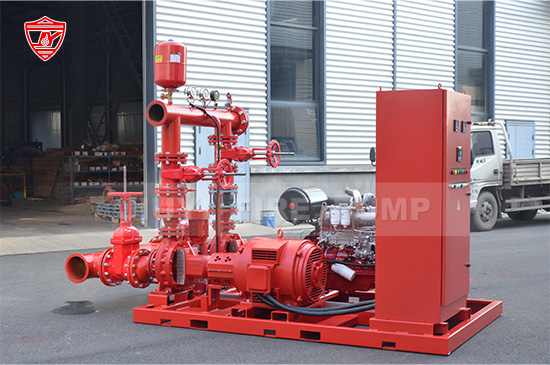
Optimizing fire pump room layout for inspection access is a critical yet often underestimated aspect of fire protection system design. A well-planned layout enhances safety, simplifies compliance, reduces maintenance costs, and ensures the fire pump performs reliably when it is needed most.
By prioritizing clearance, logical arrangement, unobstructed access, and long-term serviceability, project stakeholders can transform the fire pump room from a cramped utility space into a professional, inspection-ready environment that supports the highest standards of fire safety.
Designing for inspection is not an extra cost. It is a safeguard for performance, compliance, and lives.
.jpg)