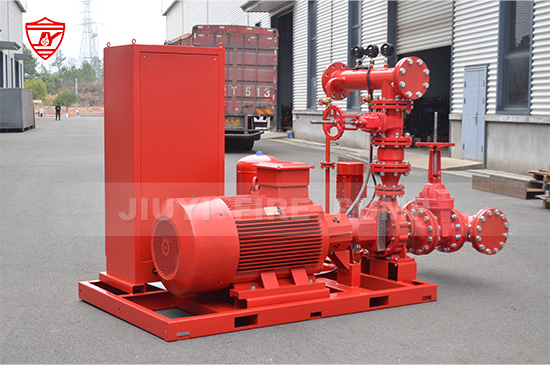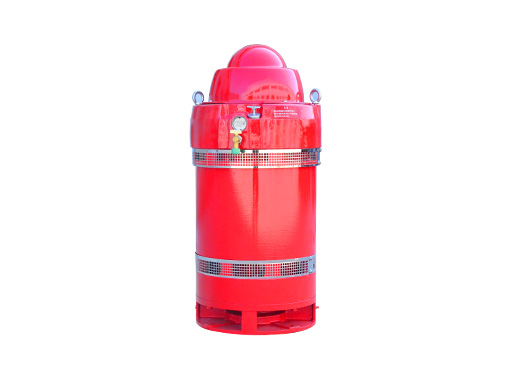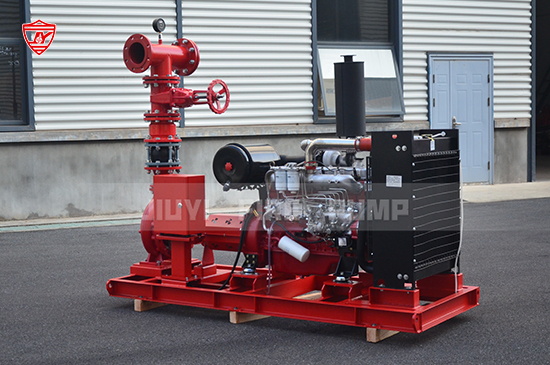
Fire pump witness testing is one of the most critical steps in the fire protection system approval process. A well-prepared witness test not only verifies fire pump performance but also determines whether a project can proceed to commissioning and handover. Poor preparation often leads to test failures, delays, additional costs, and loss of confidence from consultants, inspectors, and authorities having jurisdiction.
As a fire pump manufacturer, understanding how to properly prepare fire pump witness test procedures is essential—not only to pass the test but to demonstrate professionalism, compliance, and technical credibility. This article provides a comprehensive, step-by-step guide to preparing fire pump witness test procedures that meet industry expectations and align with NFPA 20 and UL requirements.
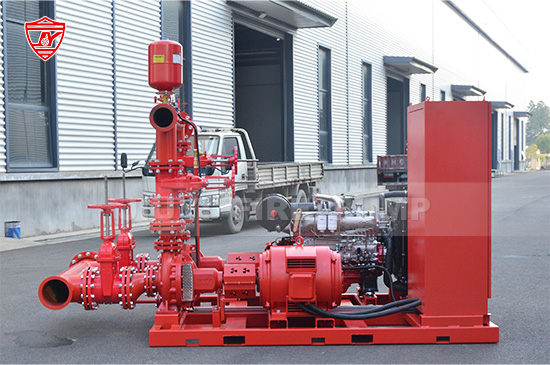
What Is a Fire Pump Witness Test?
A fire pump witness test is a formal performance verification conducted in the presence of third-party witnesses. These witnesses may include consultants, inspectors, end users, insurers, or certification bodies. The purpose is to confirm that the fire pump operates exactly as specified under defined conditions.
Witness tests are commonly required for:
-
Factory Acceptance Tests
-
Site Acceptance Tests
-
UL-listed fire pumps
-
Large commercial or industrial fire protection projects
The test focuses on performance, reliability, safety, and compliance with approved technical standards.
Why Proper Preparation Is Critical
Fire pump witness tests are not routine internal checks. They are contractual and regulatory milestones. Failure during a witness test can result in:
-
Project delays
-
Retesting costs
-
Equipment replacement
-
Loss of client trust
-
Compliance disputes
Proper preparation ensures that the test runs smoothly, results are consistent, and all stakeholders gain confidence in the fire pump system.
Step 1: Review Applicable Standards and Project Specifications
Before preparing any test procedure, identify the governing standards and project requirements. These typically include:
-
NFPA 20 requirements
-
UL listing conditions (if applicable)
-
Project technical specifications
-
Approved pump datasheets and curves
-
Local authority requirements
The witness test procedure must strictly align with these documents. Any deviation, even if the pump performs well, may be grounds for rejection.
Step 2: Define the Scope of the Witness Test
Clearly define what the witness test will cover. A standard fire pump witness test usually includes:
-
Visual inspection
-
Mechanical and electrical checks
-
No-flow (churn) test
-
Rated flow test
-
150% flow test
-
Pressure and flow measurements
-
Controller operation verification
-
Alarm and safety device checks
Document the test sequence in advance so all parties understand what will be tested and in what order.
Step 3: Prepare Detailed Test Procedures
A professional fire pump witness test procedure should be written, structured, and easy to follow. It should include:
Test Objectives
Explain the purpose of the witness test and what performance criteria must be met.
Test Conditions
Specify power supply, water source, test loop configuration, ambient conditions, and instrument accuracy.
Step-by-Step Test Method
Detail each test step, including:
-
Pump startup method
-
Valve positions
-
Flow adjustment process
-
Stabilization time before readings
-
Data recording method
Acceptance Criteria
Clearly state acceptable pressure, flow, speed, and current ranges based on approved pump curves.
A well-documented procedure reduces confusion and prevents disputes during the test.
Step 4: Verify Test Instruments and Calibration
Accurate measurements are the foundation of a valid witness test. Before the test:
-
Confirm pressure gauges are calibrated
-
Verify flow meters or orifice plates are certified
-
Ensure tachometers and electrical meters are accurate
-
Record calibration dates and certificates
Uncalibrated instruments can invalidate the entire test, even if results appear acceptable.
Step 5: Inspect the Fire Pump and System Installation
Before witnesses arrive, conduct a thorough internal inspection:
-
Confirm pump alignment and coupling
-
Check lubrication and cooling systems
-
Verify suction and discharge piping configuration
-
Ensure air is fully vented from the pump
-
Confirm controller settings and power supply
Many witness test failures occur due to basic installation or setup issues that could have been resolved in advance.
Step 6: Conduct a Pre-Witness Trial Test
A pre-test or dry run is strongly recommended. This internal test allows the manufacturer or contractor to:
-
Validate performance against pump curves
-
Identify abnormal vibration or noise
-
Check temperature rise
-
Confirm stable readings at all flow points
Any issues discovered during the pre-test should be resolved before the official witness test. Never rely on first-time testing in front of witnesses.
Step 7: Prepare Documentation and Test Forms
Proper documentation is as important as the test itself. Prepare:
-
Witness test procedure document
-
Data recording sheets
-
Pump performance curves
-
Motor nameplate details
-
Controller logic descriptions
-
Calibration certificates
Ensure all documents are printed, organized, and available on test day. Missing paperwork can delay approval even if the test is successful.
Step 8: Coordinate with Witnesses in Advance
Communicate clearly with all witness parties before the test:
-
Confirm test date and time
-
Share the test procedure for review
-
Clarify test acceptance criteria
-
Identify any special requirements
This proactive coordination reduces misunderstandings and ensures everyone arrives aligned on expectations.
Step 9: Execute the Witness Test Professionally
During the test:
-
Follow the approved procedure exactly
-
Do not rush between test points
-
Allow readings to stabilize
-
Record data clearly and transparently
-
Address questions calmly and technically
If any abnormal condition occurs, pause the test and explain the situation rather than continuing blindly.
Professional execution builds confidence, even under challenging conditions.
Step 10: Analyze Results and Finalize the Witness Report
After testing:
-
Compare results against pump curves
-
Confirm compliance with acceptance criteria
-
Prepare a formal witness test report
-
Include raw data, charts, and observations
-
Obtain witness signatures if required
A clear and well-structured report is often required for final system approval and long-term project documentation.
Common Fire Pump Witness Test Issues and How to Avoid Them
Some of the most frequent issues include:
-
Insufficient water supply for 150% flow
-
Incorrect gauge locations
-
Air entrainment in suction piping
-
Improper controller settings
-
Incomplete documentation
Most of these problems can be avoided through proper preparation, internal testing, and adherence to procedures.
Best Practices from Fire Pump Manufacturers
Experienced fire pump manufacturers follow these best practices:
-
Standardized witness test procedures
-
Dedicated test engineers
-
Regular instrument calibration
-
Detailed pre-test checklists
-
Clear communication with stakeholders
These practices not only improve pass rates but also strengthen long-term client relationships.
Conclusion
Preparing fire pump witness test procedures is not simply a technical task—it is a critical professional responsibility. A structured, standards-based approach ensures compliance, minimizes risk, and demonstrates the manufacturer’s commitment to quality and safety.
By thoroughly planning the procedure, verifying equipment, coordinating with witnesses, and executing the test professionally, fire pump manufacturers can consistently achieve successful witness tests and earn trust across the fire safety industry.
A well-prepared witness test is not just proof of performance—it is proof of reliability