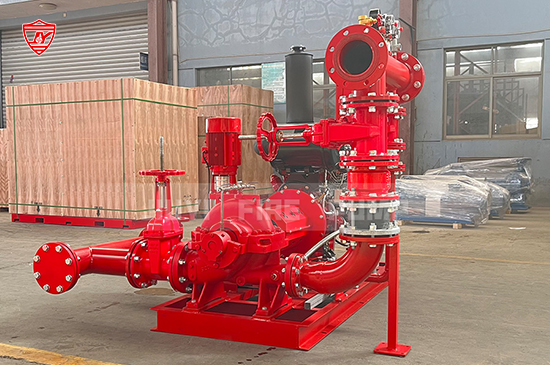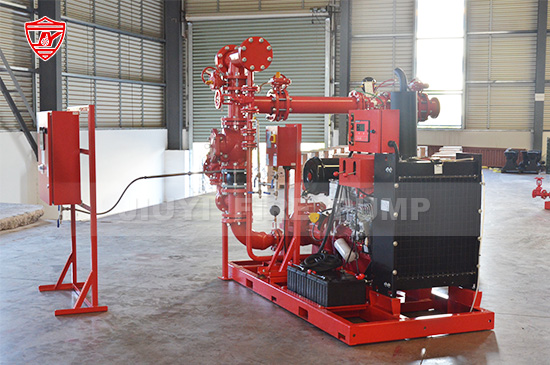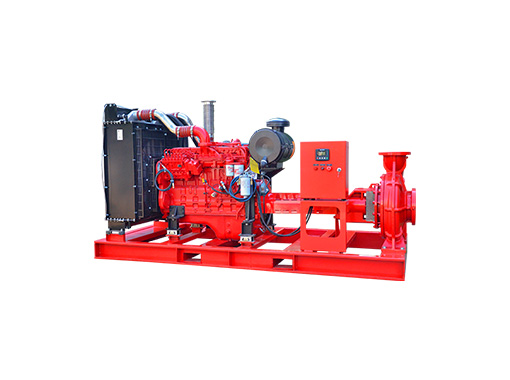
Diesel fire pumps play a critical role in emergency fire protection systems, especially in facilities where electric power reliability cannot be guaranteed. While much attention is given to pump performance, controller reliability, and engine quality, one often overlooked risk factor is diesel fuel degradation. Poor fuel quality is one of the leading causes of diesel fire pump failure during emergency start-up.
Because diesel fire pumps may remain idle for months or even years, fuel stability becomes a long-term challenge. If degradation is not properly managed, fuel can oxidize, absorb moisture, form sludge, or become contaminated with microbial growth. Any of these issues can prevent the engine from starting when it matters most.
This article explains what causes diesel fuel degradation, why it is especially critical for fire pump systems, and how to prevent it through proper storage, monitoring, and maintenance practices.
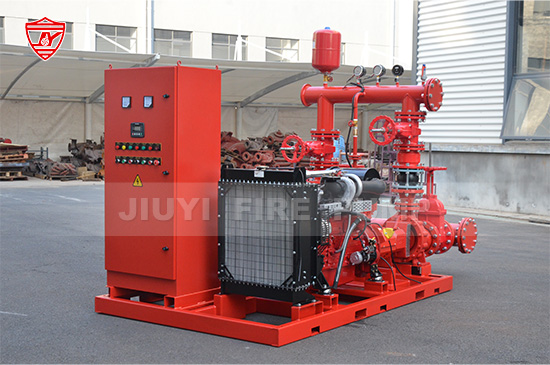
Unlike standby generators or daily-use diesel engines, diesel fire pumps operate under unique conditions. They are rarely used but must perform flawlessly under emergency conditions. This operating profile increases the risk of fuel degradation.
Diesel fuel naturally ages over time. When stored for long periods, especially in partially filled tanks, it is exposed to oxygen, temperature fluctuations, and moisture. These factors accelerate chemical reactions and biological contamination.
Fire pump fuel systems are often installed in pump rooms, underground tanks, or outdoor enclosures where temperature control is limited. Without regular fuel turnover or treatment, degradation becomes unavoidable.
Understanding the root causes of fuel degradation is the first step toward prevention.
Diesel fuel reacts with oxygen over time. This oxidation process forms gums and varnish-like substances that can clog fuel injectors, filters, and fuel lines. Oxidation accelerates when fuel is exposed to heat, air, or light.
Modern ultra-low sulfur diesel is more prone to oxidation than older fuel formulations, making proper storage even more important for fire pump systems.
Water is one of the most damaging contaminants in diesel fuel. It can enter the fuel tank through condensation, leaking seals, or during refueling. Even small amounts of water can cause corrosion, reduce lubrication, and promote microbial growth.
In fire pump applications, water contamination is particularly dangerous because it often goes undetected until engine start-up fails.
When water is present in diesel fuel, bacteria and fungi can grow at the fuel-water interface. These microorganisms feed on hydrocarbons and multiply rapidly, producing acidic byproducts and sludge.
Microbial contamination can block fuel filters, corrode tanks, and damage injection systems. Once established, it is difficult and costly to remove.
Over time, degraded fuel forms sediments that settle at the bottom of the tank. During engine start-up, these sediments can be drawn into the fuel system, causing clogged filters or injector failure.
This is especially risky for diesel fire pumps, which may start under full load conditions.
A diesel fire pump is expected to start instantly and operate continuously during a fire emergency. Fuel degradation directly threatens this requirement.
Poor fuel quality can cause:
Hard starting or complete failure to start
Unstable engine operation
Reduced power output
Injector damage
Premature engine wear
In many failure investigations, diesel fire pumps were mechanically sound, but fuel issues prevented operation. From a fire safety and compliance perspective, this represents a critical system failure.
Preventing fuel degradation requires a combination of proper system design, routine inspection, and long-term fuel management.
Fuel quality at installation sets the baseline for long-term performance. Always use clean, fresh diesel fuel that meets applicable standards. Avoid fuel that has been stored for extended periods before delivery.
Proper filtration during fuel transfer is essential to prevent introducing contaminants into the storage tank.
Fuel tanks should be designed and installed to minimize exposure to air and moisture. Tanks should be properly sealed, vented, and protected from temperature extremes.
Keeping the fuel tank as full as possible reduces air space, which limits oxidation and condensation. This is particularly important in climates with large temperature fluctuations.
Visual inspection alone is not sufficient. Diesel fire pump fuel should be sampled and tested periodically to assess water content, microbial contamination, and oxidation stability.
Routine testing allows early detection of problems before they impact system performance. Testing intervals should align with site risk level, environmental conditions, and regulatory requirements.
Water should be drained from the bottom of the fuel tank at regular intervals. Many fire pump fuel tanks include drain valves or sampling points specifically for this purpose.
Any recurring water presence indicates an underlying issue, such as condensation, tank leaks, or improper venting, which must be addressed promptly.
Fuel stabilizers slow oxidation and extend fuel life, while biocides control microbial growth. When used correctly, they can significantly reduce degradation risk.
However, additives must be compatible with the diesel engine and applied according to manufacturer recommendations. Over-treatment or incorrect dosing can cause fuel system damage.
Fuel rotation involves removing old fuel and replacing it with fresh diesel on a scheduled basis. Fuel polishing systems, on the other hand, filter fuel in place to remove water, sediments, and microbial contamination.
For critical fire pump installations, fuel polishing is often a cost-effective way to maintain fuel quality without frequent replacement.
Weekly or monthly diesel fire pump test runs play a role in fuel management. These tests circulate fuel through the system, helping prevent stagnation and identifying issues early.
During test runs, operators should monitor:
Engine start-up time
Exhaust smoke
Fuel pressure stability
Filter condition
Any abnormal behavior may indicate fuel quality problems and should be investigated immediately.
While this article avoids specific regulatory citations, industry standards emphasize that diesel fire pump fuel must be suitable for long-term standby use. Fuel must be clean, free of contamination, and capable of supporting full-load operation.
Failure to maintain fuel quality can lead to non-compliance, failed inspections, or rejected system acceptance tests.
Preventing diesel fire pump fuel degradation delivers benefits beyond emergency reliability.
Reduced risk of system failure during fire events
Lower maintenance and repair costs
Extended engine and injector life
Improved inspection outcomes
Increased confidence in fire protection readiness
For facility owners and fire protection professionals, fuel maintenance is not an optional task but a core responsibility.
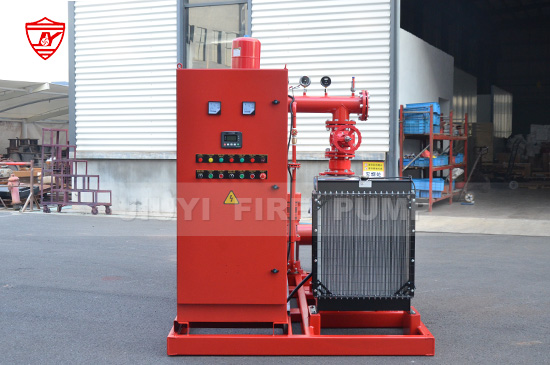
Diesel fire pump fuel degradation is a silent but serious threat to fire protection systems. Because these pumps operate infrequently, fuel can deteriorate unnoticed until the moment it is needed most.
By understanding the causes of degradation and implementing proactive fuel management strategies, system owners can significantly improve diesel fire pump reliability. High-quality fuel, proper storage, routine testing, water control, and additive management all work together to protect system performance.