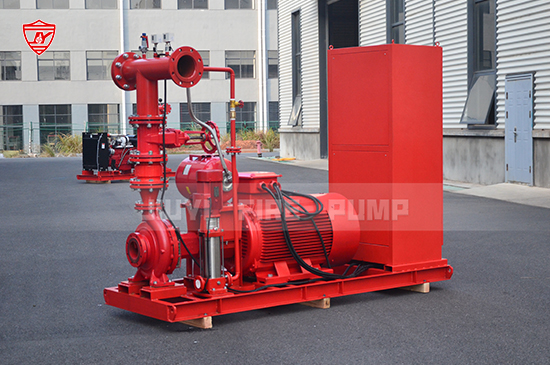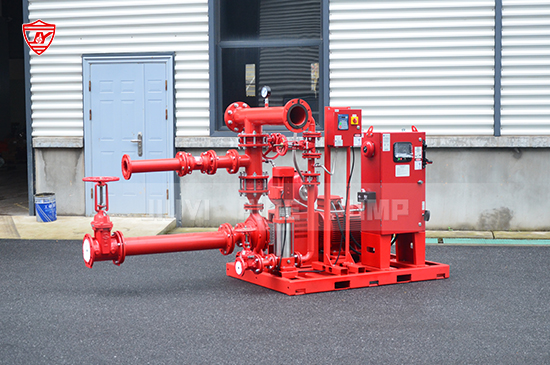
Diesel fire pumps are a critical component of modern fire protection systems, especially in facilities where uninterrupted fire safety is non-negotiable. Unlike electric fire pumps, diesel fire pumps are designed to operate independently of external power sources. This is not a design preference or a market trend—it is a fundamental safety principle rooted in real fire scenarios, engineering logic, and international fire protection standards.
Understanding why diesel fire pumps must operate independently is essential for fire protection engineers, project owners, consultants, and contractors. This independence directly impacts system reliability, regulatory compliance, and ultimately, life and property safety.
This article explains the technical, operational, and regulatory reasons behind diesel fire pump independence, and why this principle remains a cornerstone of fire safety design worldwide.
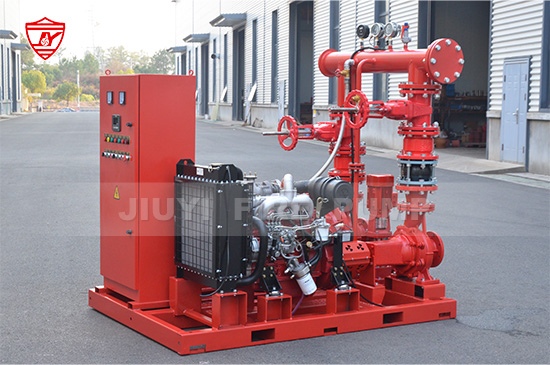
A diesel fire pump exists for one primary reason: to deliver water for fire suppression when all other systems may fail.
During a fire, electrical infrastructure is one of the first systems at risk. Power cables can be damaged by heat, control panels may fail, and substations may shut down automatically to prevent further hazards. In these moments, electric fire pumps—even with backup generators—can become vulnerable.
Diesel fire pumps are engineered as a self-contained emergency response unit. Their ability to operate independently ensures that water delivery for firefighting remains available when external utilities are compromised.
Independent operation means that a diesel fire pump can:
Start automatically without external electrical power
Run continuously without reliance on the building power grid
Maintain stable performance during extended fire events
Operate even if all normal and emergency power sources fail
This independence is achieved through a combination of mechanical design, dedicated fuel systems, autonomous control logic, and redundancy.
In real fire incidents, power failure is not a hypothetical risk—it is expected.
Common causes include:
Fire damage to electrical cables and switchgear
Automatic power shutdown for safety isolation
Explosion or collapse affecting power supply routes
Overload or malfunction of emergency generators
If a fire pump depends on external electricity or shared systems, it may fail precisely when it is needed most. Diesel fire pumps eliminate this dependency by using stored fuel and mechanical energy.
The fundamental advantage of diesel fire pumps lies in mechanical energy independence.
A diesel engine converts chemical energy from fuel directly into mechanical power. This process does not require:
Grid electricity
Transformers
Frequency stability
Voltage regulation
As long as fuel, air, and proper cooling are available, the pump will continue running. This simplicity is a key reason diesel fire pumps are trusted in high-risk and critical applications.
One of the most important features of diesel fire pump systems is the dedicated fuel supply.
Best practice and standards require:
A separate fuel tank exclusively for the fire pump
Sufficient fuel capacity for extended operation
Fuel lines isolated from other diesel consumers
This ensures that the fire pump cannot be starved of fuel due to other equipment usage or operational mistakes. Fuel independence translates directly into operational certainty during emergencies.
Diesel fire pumps are equipped with:
Battery-powered starting systems
Redundant battery sets
Independent battery chargers
These systems allow the pump to start automatically upon pressure drop in the fire protection system. The starting process does not rely on building power, control rooms, or human intervention.
This automatic response is crucial when fires occur outside working hours or when personnel cannot access the pump room safely.
International fire protection standards emphasize independence for a reason.
Codes and standards such as NFPA 20 clearly recognize diesel fire pumps as a reliable alternative when electrical reliability cannot be guaranteed. The principle behind these requirements is simple: fire protection systems must not fail due to the same event they are designed to mitigate.
By operating independently, diesel fire pumps avoid common-cause failures that can affect electrical systems during fires.
In many fire protection designs, diesel fire pumps are used as:
The primary fire pump
A standby pump paired with an electric fire pump
In both cases, independence enhances redundancy. If one system fails, the other remains unaffected because it does not share the same power source, control logic, or failure modes.
This separation significantly improves overall system reliability and risk management.
Certain environments demand fire pumps that can operate without dependable infrastructure.
Examples include:
Remote industrial facilities
Oil and gas installations
Mining sites
Data centers with high fire risk
Ports and marine facilities
In these locations, grid stability cannot always be guaranteed. Diesel fire pumps provide a reliable solution where infrastructure limitations exist.
In emergency conditions, simplicity saves time and lives.
Diesel fire pumps are designed to:
Start automatically
Run at rated speed without complex adjustments
Continue operating until manually stopped
Operators do not need to manage electrical load balancing, generator synchronization, or control logic during a fire. The pump does one job—deliver water—and does it reliably.
Independent operation also simplifies maintenance strategies.
Diesel fire pumps:
Can be tested without affecting building power
Do not rely on external electrical upgrades
Remain functional during electrical maintenance shutdowns
This allows facility managers to maintain system readiness without compromising daily operations or fire safety compliance.
Electric fire pumps are highly efficient and widely used, but they depend on power continuity. Even with backup generators, they introduce shared dependencies.
Diesel fire pumps offer:
Full operational independence
No reliance on grid or generator power
Mechanical reliability under extreme conditions
For critical facilities, diesel fire pumps are often the preferred or required choice.
From an insurance and risk management perspective, independent fire protection systems reduce overall exposure.
Insurance providers often view diesel fire pumps favorably because they:
Reduce single-point failure risks
Improve fire response reliability
Enhance compliance with safety standards
This can positively impact project approval, inspections, and long-term operational confidence.
As a fire pump manufacturer, designing diesel fire pumps for true independent operation is not optional—it is a responsibility.
This includes:
Robust engine selection
Reliable control panels
Redundant starting systems
Quality fuel system design
Strict performance testing
Every component must support the core principle of independence.
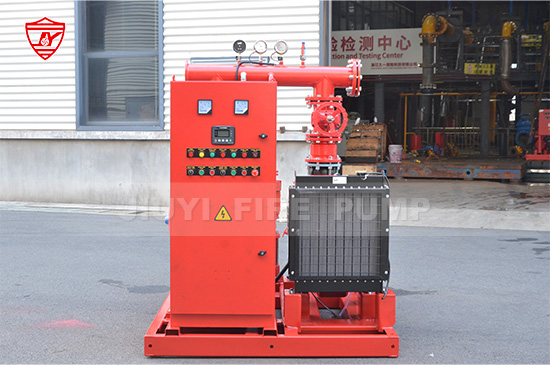
Diesel fire pumps must operate independently because fire events are unpredictable, destructive, and often accompanied by power failure. Independence ensures that fire protection systems remain operational when all other systems may be compromised.
This principle is not driven by convenience or cost—it is driven by safety, engineering logic, and decades of real-world experience. For facilities where lives, assets, and continuity matter, diesel fire pumps provide a level of reliability that cannot be replaced.
.jpg)