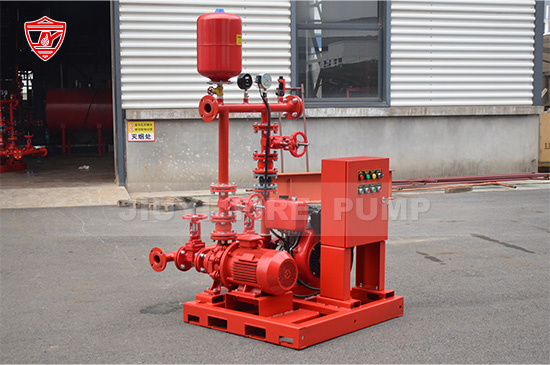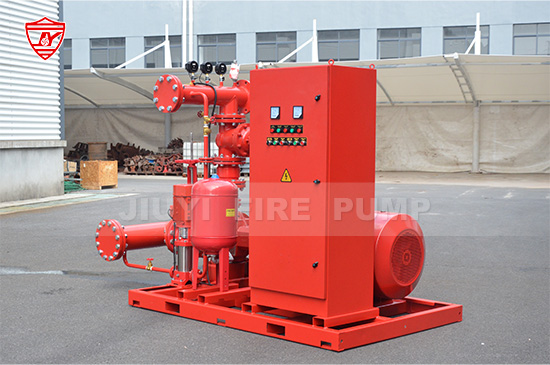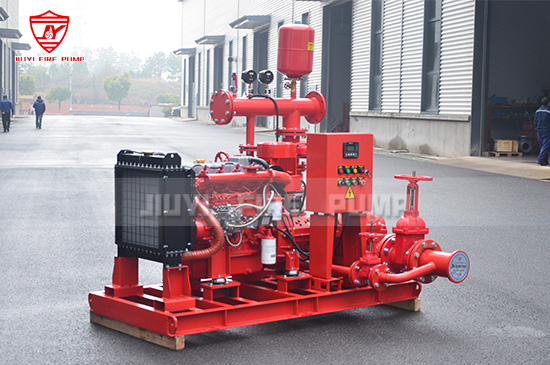
Fire pump skid design is one of the most important processes in building a reliable fire protection system. For many fire protection projects—commercial buildings, industrial plants, warehouses, oil & gas facilities, or municipal systems—the skid design determines not only how well the fire pump performs, but also how safe, stable, and long-lasting the entire system will be. A professionally engineered fire pump skid ensures smoother installation, reduced vibration, longer equipment life, easier maintenance, and full compliance with industry standards such as NFPA 20 and UL.
As a manufacturer of fire pumps, we understand that engineers, contractors, and end users need clear, practical guidance. This article explains everything you need to know about fire pump skid design, including components, layout considerations, material selection, standards, safety factors, and common mistakes to avoid.
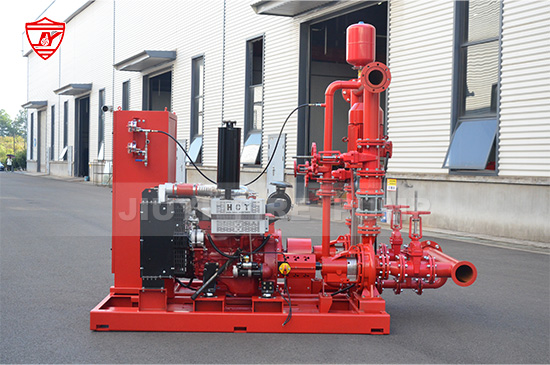
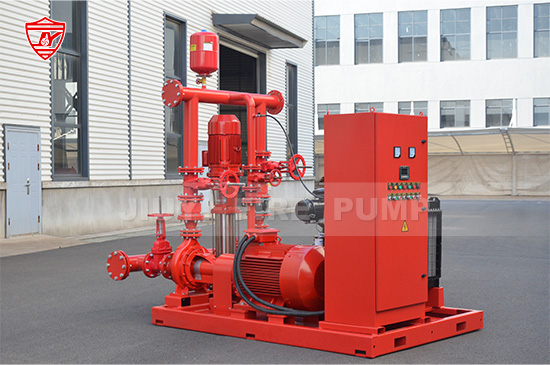
A fire pump skid is a pre-engineered, structurally reinforced base frame that supports one or more fire pumps and their related components. It keeps all equipment aligned, stable, and ready for installation as a packaged unit.
A typical fire pump skid may include:
Main fire pump (electric or diesel)
Diesel engine with controller
Electric motor with controller
Jockey pump and controller
Base frame
Piping connections
Cooling and fuel systems (for diesel units)
Pressure gauges, valves, and accessories
This packaged skid reduces installation time, ensures precise alignment, and keeps equipment protected from excessive vibration or structural stress.
The skid is the foundation of the fire pump system. A poorly designed base will cause:
Misalignment between pump and driver
Excessive vibration
Shaft or bearing damage
Coupling failure
Noisy operation
Early equipment fatigue
More importantly, a critical fire pump may fail during an emergency. Proper skid engineering ensures reliability, safety, and long service life.
The base frame is the structural platform of the skid. It must support the full operating weight of the pump, motor, diesel engine, fuel tank, and piping.
A good base frame design includes:
High-strength steel construction
Rigid reinforcement to minimize deflection
Correct thickness and load distribution
Anchor points for secure installation
Anti-corrosion surface treatment
Pump-to-driver alignment is essential for smooth operation. Skid design must ensure:
Accurate alignment between shaft centers
Adequate spacing for coupling guard installation
Vibration isolation
Access room for service and replacement
Diesel systems require additional skid considerations:
Mounting for fuel tank, cooling system, and exhaust
Extra vibration isolation
Heat dissipation layout
Heavy-duty frame reinforcement
The jockey pump often shares the skid with the main pump or is supplied on its own skid. A good design ensures:
Logical positioning for piping connections
Easy access to the controller
Proper electrical and pressure line routing
Controllers must be installed safely and accessibly. Key design factors include:
Enough clearance for door opening
Compliance with electrical codes
Isolation from vibration
Safe routing for conduit and cables
NFPA 20 sets strict guidelines for:
Pump mounting and alignment
Foundation and base plate rigidity
Vibration control
Clearance space for maintenance
Diesel engine systems and fuel tanks
A compliant skid ensures safety and certification acceptance.
For UL-listed pump assemblies, skid design must meet:
Material and structural requirements
Pump-driver alignment accuracy
Vibration and performance tests
Proper labeling and traceability
A UL fire pump skid provides assurance for global fire protection projects.
Organize the pump, driver, and accessories to:
Ensure efficient workflow
Provide maintenance access
Support clear piping routes
Prevent overheating or interference
Vibration is the top cause of premature pump failure. Good skid design includes:
Thick, reinforced steel frames
Precision leveling
Use of anti-vibration mounts where required
Correct coupling alignment
The skid must allow for:
Easy connection to suction and discharge lines
Proper spacing for valves and check valves
Smooth flow with minimal turbulence
Access for pressure testing
All elements must maintain NFPA 20-required clearance:
Space around controllers
Access paths around engines
Safe exhaust routing for diesel units
Engineers should design for:
Bearing and seal replacement access
Inlet strainer removal
Controller inspection
Pump removal without dismantling the skid
Choose high-strength steel with:
Hot-dip galvanization
Epoxy coating
Anti-rust primer
This ensures long life in harsh environments.
Welding must be:
Uniform
Stress-tested
Non-porous
Compliant with industrial welding codes
Coatings protect the skid from corrosion caused by moisture, chemicals, or outdoor environments.
Features:
Clean and compact design
Minimal vibration
Simple installation
Requires stable power supply
Commonly used in buildings, factories, warehouses, and commercial spaces.
Features:
Independent emergency power
Larger and heavier
Requires fuel system design
More complex cooling and exhaust layout
Ideal for environments with unstable electrical supply or remote locations.
A fully integrated solution with:
Redundant power sources
Reduced installation time
Perfect alignment from the factory
This is popular for large industrial or high-value facilities.
Even the best skid must be installed correctly. Designers should consider:
The foundation must:
Support the entire operating load
Minimize vibration
Provide proper anchor points
High-quality grouting eliminates voids under the skid and prevents vibration.
Although factory-aligned, minor adjustments are needed after placement.
Piping must not place stress on the pump or skid. Use flexible connectors when necessary.
Correct cable routing ensures safety and reliable operation.
A well-designed skid allows easy maintenance operations such as:
Pump alignment checks
Bearing lubrication
Seal inspection and replacement
Controller calibration
Diesel engine fuel and lube checks
Good design reduces downtime and maintenance costs.
This causes vibration, misalignment, and frequent breakdowns.
Without precision alignment, pump and motor wear out rapidly.
This leads to difficult maintenance and unsafe operation.
Non-compliant designs can be rejected by authorities or fail during operation.
Outdoor or humid environments require strong coatings.
When selecting a manufacturer, look for:
Experience in fire pump system integration
NFPA 20-compliant engineering
UL-listed pump options
Quality welding and fabrication
Factory testing before shipment
Ability to customize skids for special projects
Strong after-sales support
A skilled manufacturer ensures the skid performs as designed for many years.
Fire pump skid design is a critical part of building a reliable fire protection system. A well-designed skid provides structural stability, vibration control, precise pump-driver alignment, easy installation, and long-term operational safety. Following NFPA 20 guidelines, choosing the right materials, designing proper layouts, and avoiding common mistakes ensures the fire pump performs flawlessly when needed.