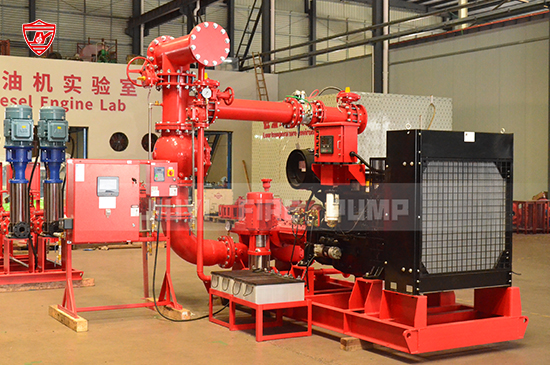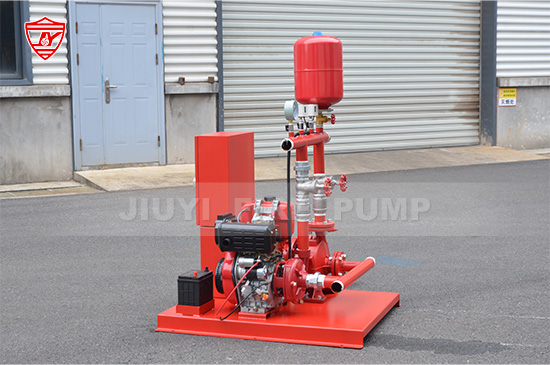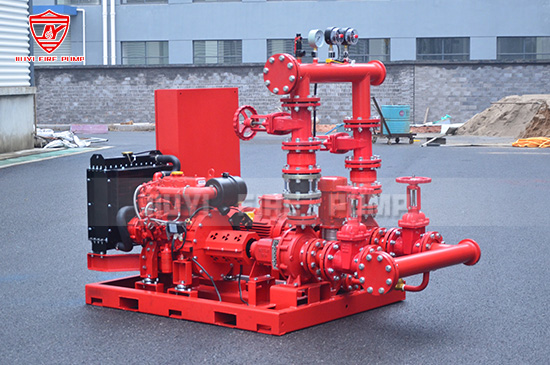
Fire pumps are the heart of every fire protection system. Whether installed in commercial buildings, industrial facilities, warehouses, chemical plants, power stations, or residential complexes, fire pumps provide the essential pressure and flow needed to deliver water during a fire emergency. Even if a building has sprinklers, hydrants, hose reels, and water storage tanks in perfect condition, none of them will perform correctly if the fire pump fails to start or cannot achieve the required pressure.
For this reason, industry standards such as NFPA 25 require fire pumps to be tested annually. Many facility managers understand the rule but may not fully understand the reasons behind it. Annual testing is not just a compliance requirement—it is a critical step in ensuring life safety, operational reliability, and long-term equipment performance.
This article explains why annual fire pump testing is essential, what happens during a proper test, the risks of skipping the yearly inspection, and how facility owners can protect their assets through consistent maintenance.
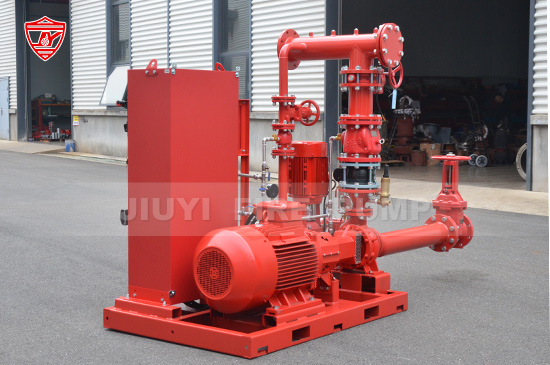
A fire pump is different from most mechanical equipment used in daily operations. It does not run every day. In fact, a well-maintained fire pump might operate only for weekly churn tests and remain idle for the rest of the year. Because of this limited operational use, hidden problems may develop without being noticed.
A pump that has not run under full load for months cannot be assumed reliable. Annual testing is the only way to simulate real fire conditions and confirm that the equipment can deliver the design performance when needed.
During an annual test, the pump is run at various flow conditions, including:
No-flow (churn) condition
Rated flow condition
150% flow condition
These test points allow technicians to observe how the pump behaves when pushed to its designed limits.
NFPA 25, the industry benchmark for inspection, testing, and maintenance of water-based fire protection systems, mandates annual performance testing of fire pumps.
The standard outlines the specific procedures, test frequencies, evaluation methods, and acceptance criteria for both diesel and electric fire pumps. Facility owners who skip annual tests risk failing safety audits and violating insurance requirements.
Compliance is not optional. Many government agencies and insurance companies require proof of fire pump testing before issuing approvals, occupancy permits, or insurance renewals.
Regular testing ensures your fire protection system remains NFPA-compliant and reduces potential liability during fire investigations.
Every fire pump is designed to produce a specific performance curve. Over time, wear and tear can affect its ability to reach rated pressure and flow. Annual flow testing allows technicians to compare the pump’s current output against its original certified curve.
This performance comparison is essential because gradual performance degradation may go unnoticed until a fire occurs. Some factors that cause decreased performance include:
Impeller wear
Corrosion in pump internals
Blocked suction strainers
Leaks in the suction or discharge pipeline
Degraded mechanical seals
Worn bearings
Cavitation damage
Without annual testing, these issues may remain hidden and even worsen over time. Testing ensures that the pump continues performing as originally designed and alerts facility managers when corrective action is necessary.
A fire pump that fails to start during an emergency is one of the most dangerous failures that can occur in a fire protection system. Annual testing ensures that the pump’s driver—whether electric motor or diesel engine—can reliably start under real load conditions.
Annual testing helps detect issues related to:
Electrical supply problems
Starter panel deterioration
Motor overheating
Phase imbalance
Loose wiring
Voltage drops
Since electric pumps rely on building power or backup generators, testing verifies that the electrical infrastructure can handle the actual load during a fire.
Diesel pumps require even more careful annual testing because the engine involves multiple mechanical and fuel-related components. Annual tests confirm the reliability of:
Fuel supply
Battery capacity
Cooling system
Exhaust system
Engine lubrication
Overspeed protection
Any of these components can fail if not regularly tested under full flow conditions.
Fire pump rooms are often located in basements, mechanical rooms, or outdoor pump houses. These environments can expose equipment to conditions that accelerate wear, such as:
Moisture and humidity
Dust accumulation
Corrosion from chemicals or salty air
Temperature fluctuations
Inadequate ventilation
Annual testing, combined with a visual inspection, helps detect environmental damage early before it leads to major failures.
A fire pump controller is the brain of the entire system. Even if the pump itself is in perfect condition, a malfunctioning controller can prevent the pump from starting automatically.
During the annual test, technicians verify that:
Automatic start sequence works correctly
Transfer switches perform properly (for diesel pumps)
Alarm signals reach the fire control panel
Remote start functions operate
Pressure sensors and pressure switches respond correctly
Testing ensures every electronic and automatic component works exactly as required in a real emergency.
A fire pump cannot deliver water without a reliable suction source. Annual testing helps verify whether there are issues affecting water supply, such as:
Low water level in the tank
Blocked suction lines
Air leaks causing cavitation
Obstructions in foot valves or strainers
Inadequate flow from municipal supply
These issues may not appear during a weekly churn test but become very noticeable during full flow annual testing.
Skipping annual testing is equivalent to leaving your fire protection system unverified. A pump that has not been tested may fail during a fire due to issues that could have been easily identified and repaired earlier.
Some common fire pump failures include:
Pump does not start
Pump starts but cannot build pressure
Pump vibrates excessively
Overheating of pump or motor
Diesel engine shutdown due to fuel or coolant problems
Severe cavitation
Controller failure
Annual testing significantly reduces the risks of these failures by verifying the real-world performance of the system.
Annual testing provides valuable diagnostic information that helps facilities plan preventive maintenance. Instead of waiting for failures, technicians can identify early signs of wear and take action before costly repairs become necessary.
Benefits include:
Reduced repair costs
Longer pump life
Better budgeting for spare parts
Less downtime
Improved efficiency
Facilities that follow annual testing and maintenance guidelines generally experience far fewer emergency repairs.
A properly tested fire pump offers peace of mind. When annual test results show that the pump performs at or above required levels, stakeholders can feel confident that the building’s fire protection system will respond reliably during emergencies.
This confidence is essential for:
Facility owners
Building managers
Safety officers
Insurance providers
Tenants and occupants
Engineering teams
Annual testing demonstrates a commitment to safety and risk reduction.
If a fire occurs and investigators determine that the fire pump was not tested or maintained according to NFPA requirements, insurance providers may reduce compensation or deny claims.
Documented annual test reports serve as proof that the facility took proper safety precautions. This documentation can be crucial during legal or insurance investigations.
Annual fire pump testing is more than a regulatory requirement. It reflects an organization’s attitude toward safety and responsibility. Implementing a consistent testing routine shows that the facility values the protection of life, property, and operational continuity.
It also sets an example for employees and contractors, reinforcing a safety-first culture.
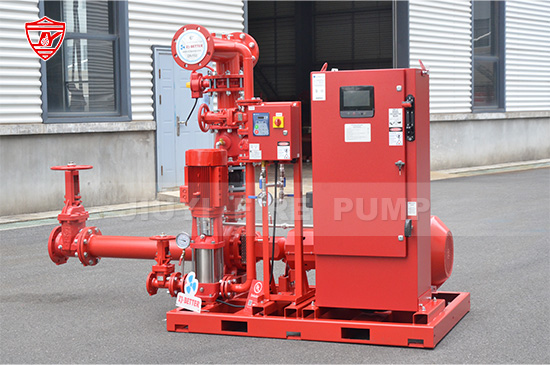
Fire pumps must be ready to perform flawlessly at any moment, even after long periods of inactivity. Annual testing is the only reliable way to confirm performance, detect hidden problems, ensure NFPA compliance, and maintain long-term equipment reliability.
Facility owners who conduct yearly testing not only reduce fire risks but also protect their investments, comply with regulations, and improve the safety of everyone who works or lives in the building.