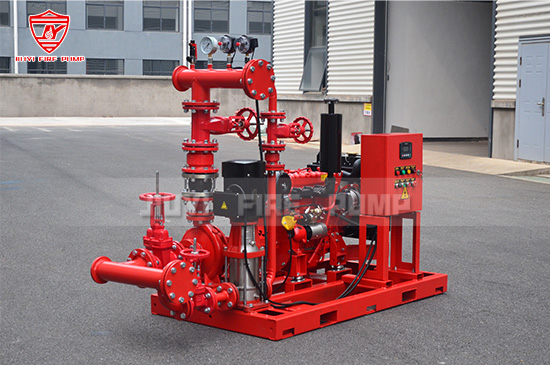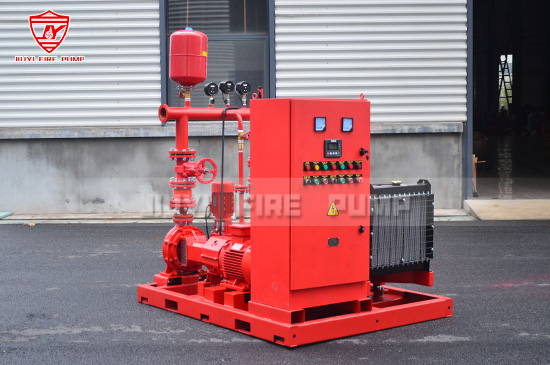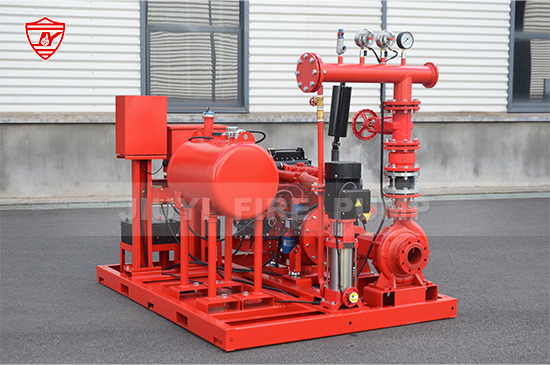
Fire pump commissioning is one of the most crucial stages in ensuring the reliability and long-term performance of any fire protection system. Whether the pump is electric, diesel-driven, vertical turbine, or part of a complete UL-listed fire pump package, proper commissioning verifies that all components operate as designed, meet NFPA 20 requirements, and deliver the required water pressure and flow to protect life and property during an emergency.
For project contractors, system integrators, EPC firms, and facility managers, understanding the complete commissioning process helps prevent future failures, reduce maintenance costs, and guarantee peace of mind.
This comprehensive guide covers everything you need to know about fire pump commissioning—from pre-checks and system preparation to flow testing, documentation, and common troubleshooting tips.

Fire pump commissioning is the formal process of inspecting, testing, adjusting, and verifying the fire pump and all connected components before the system is placed into service.
It ensures:
The fire pump is installed according to design drawings, manufacturer requirements, and NFPA 20.
The pump operates smoothly under no-flow, rated flow, and overload conditions.
All controllers, valves, sensors, pipes, and electrical connections function correctly.
The pump delivers the required pressure and flow specified in the project or UL/FM standards.
In simple terms, commissioning is the final quality-control step confirming the fire pump is ready for real-world operation.
A fire pump is the heart of a fire protection system. If it fails during an emergency, the entire system becomes ineffective. Proper commissioning prevents risks such as:
Insufficient discharge pressure or flow
Cavitation caused by poor suction supply
Controller malfunction
Diesel engine failure during startup
Overheating or vibration from misalignment
Incorrect rotation
Pressure fluctuations causing false alarms
Commissioning ensures compliance, but more importantly, it ensures safety. Many fire pump failures occur not because of mechanical defects, but because they were never correctly tested or calibrated during installation.
Fire pump commissioning must follow major international standards, most commonly:
NFPA 20 – Standard for the Installation of Stationary Fire Pumps
NFPA 25 – Standard for Inspection, Testing, and Maintenance of Water-Based Fire Protection Systems
UL and FM requirements (if using UL/FM-listed fire pumps)
Local fire authority regulations
NFPA 20 outlines the detailed procedures for acceptance testing, minimum flow rates, suction requirements, and controller startup sequences. Following these standards is essential to achieving a compliant and reliable fire pump system.
Before performing commissioning, several key conditions must be met:
Suction and discharge pipelines fully installed
All valves installed, labeled, and in correct positions
Fire pump bypass line completed (if applicable)
Ensure the water source is stable and clean, whether it's a tank, city supply, or well. This avoids cavitation, dry running, or blockages.
Correct power supply
Proper cable sizing and grounding
Controller installed and configured
Automatic start sequence checked
Fuel tank filled
Exhaust system installed
Batteries fully charged
Cooling system ready
Commissioning requires live operation, high-pressure flow testing, and heavy machinery running. Ensure that:
All personnel have PPE
A qualified commissioning engineer is on site
Safety zones are marked
The commissioning process generally includes these major steps:
A thorough inspection helps identify improper installation before starting the pump.
Check the following:
Pump alignment and foundation
Coupling guard installation
Lubrication levels
Pipe strain (must be zero)
Valve positions
Pressure gauges and flow meters
Controller settings
Suction source condition
This step ensures the system is physically ready for operation.
Before running the pump at full speed, verify correct rotation direction.
Incorrect rotation can instantly damage the impeller and reduce performance by 30–50%.
Electric pumps: quick jog test
Diesel pumps: manual crank check or brief startup
Run the pump with the discharge valve closed.
Evaluate:
Pressure at churn
Controller behavior
Vibration and noise
Diesel engine RPM stability
Motor current
Churn pressure should not exceed 140% of rated pressure (NFPA 20 requirement).
Open the flow meter or test header to achieve the pump’s rated flow.
Measurements include:
Suction pressure
Discharge pressure
Pump output pressure
Motor current or diesel RPM
System stability
This confirms the pump meets its performance requirements.
To fully verify performance, NFPA 20 requires testing the pump at 150% of rated flow.
This ensures:
The pump can handle overload
Pressure remains within acceptable limits
Suction supply is adequate
If the pump cannot reach 150%, the problem may be:
Insufficient water supply
Pipe friction losses
Incorrect impeller trim
Test all start sequences:
Pressure drop auto-start
Manual start
Remote start from control room
Diesel engine weekly test start (if applicable)
Check stop functions:
Manual stop
Timer stop (for diesel engines)
Verify all electrical and safety functions:
Phase failure
Overcurrent
Battery failure (diesel)
Low fuel level
High temperature or overspeed
Pump running signal
Trouble alarm
A properly commissioned controller ensures emergency reliability.
Record all readings and results. Documentation typically includes:
Flow test results
Pressure readings
Power consumption
Diesel engine parameters
Final commissioning report
This is required for authorities, insurance, and future maintenance.
Commissioning often uncovers issues that might cause failures later. The most common include:
Insufficient water level
Air trapped in suction pipe
Blocked strainers
Suction lift too high
Undersized cables
Power supply voltage drops
Controller misconfiguration
Misalignment
Excessive vibration
Pipe strain on pump casing
Fuel supply issues
Battery not charged
Incorrect cooling system installation
Fixing these issues during commissioning saves enormous future maintenance costs.
Use only trained and certified fire pump engineers
Follow manufacturer guidelines strictly
Keep a commissioning checklist
Never skip the 150% flow test
Test pump under real operating conditions
Maintain clear communication among contractors, designers, and inspectors
Re-test after any major modification
Proper commissioning ensures that the fire pump is not just installed—but installed correctly.
A reliable fire pump manufacturer provides:
On-site commissioning guidance
Technical support
Detailed manuals and installation drawings
Remote troubleshooting
Certified performance test data
Working with a professional manufacturer reduces project risk and guarantees system reliability.
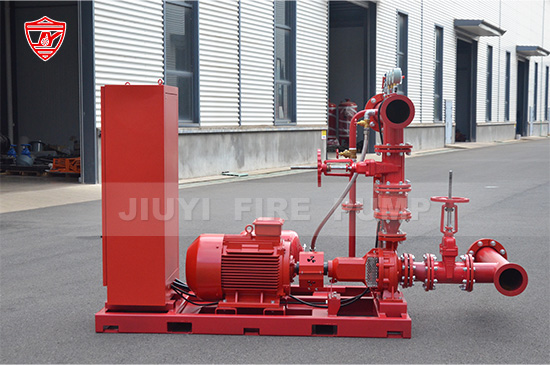
Fire pump commissioning is a critical step that determines the long-term reliability, performance, and safety of a fire protection system. A well-commissioned fire pump delivers dependable pressure, operates smoothly during emergencies, and complies with NFPA standards and project requirements.