In every fire protection system, reliability is the core requirement. Whether the building uses fire sprinklers, fire hydrants, standpipes, or a full fire pump package set, the system must always remain pressurized and ready for instant activation. Among all components, the jockey pump—also known as the pressure maintenance pump—plays a small yet essential role. Although it is much smaller than the main fire pump, it performs a critical function: keeping the system pressure stable and ensuring the main fire pump activates only during real fire emergencies.
This article explains what a jockey pump is, why it is required, how it works, and how it enhances the long-term stability of any fire protection system.

A jockey pump is a small-capacity pump designed to maintain system pressure. In a fire protection system, pressures slightly drop due to temperature changes, minor pipe leakage, air release, or normal system fluctuations. Without a jockey pump, every small pressure drop would trigger the main fire pump—causing frequent, unnecessary starts, mechanical wear, and system instability.
The jockey pump prevents this by automatically restoring pressure to the preset level, ensuring the main fire pump remains off until a real fire event occurs. This is its most important purpose: maintaining readiness without unnecessary pump activation.
A main fire pump is designed for emergency operation. It is not meant to start several times a day. Every start-up puts mechanical stress on the pump, controller, motor, and diesel engine (if applicable). Excessive starts can reduce pump lifespan and increase maintenance costs.
The jockey pump keeps the pressure constant, preventing false activations.
NFPA 20 and other international standards require fire systems to remain fully pressurized. Pressure must stay within a tight range based on system design. A jockey pump ensures pressure remains stable without manual intervention.
When sprinklers open or hydrants are used during a fire, system pressure drops sharply. This pressure drop must be large enough that the jockey pump cannot restore it. That sharp pressure difference signals the controller to start the main fire pump.
The jockey pump helps distinguish minor drops from real emergencies.
Mechanical equipment lasts longer when operated only when necessary. By handling minor pressure losses, the jockey pump protects the main fire pump from unnecessary load, increasing its reliability and extending its service life.
A fire pump that frequently starts and stops may experience controller faults, pressure fluctuations, and operational risks. A properly sized jockey pump ensures the entire system operates smoothly, maintaining safety and stability.
A jockey pump is typically controlled by a pressure switch or pressure transducer. Here is how the process works:
System pressure drops slightly
Due to minor leakage or temperature fluctuation.
Pressure switch detects the drop
When pressure reaches the low-pressure setpoint.
Jockey pump starts automatically
It restores system pressure to the high-pressure setpoint.
Pump stops automatically
Once system pressure reaches the desired level.
If pressure continues to drop beyond the jockey pump’s capacity, the main fire pump is activated. The jockey pump and main fire pump work together to ensure accurate pressure management.
Jockey pumps typically deliver a very small flow—just enough to compensate for leakage. This prevents them from masking a real fire event. When flow demand is high, the jockey pump cannot keep up, ensuring the fire pump starts.
The jockey pump pressure is usually set slightly higher than the main fire pump’s pressure. This ensures the jockey pump activates first during small pressure drops.
Once installed and configured, a jockey pump operates entirely automatically, requiring minimal oversight.
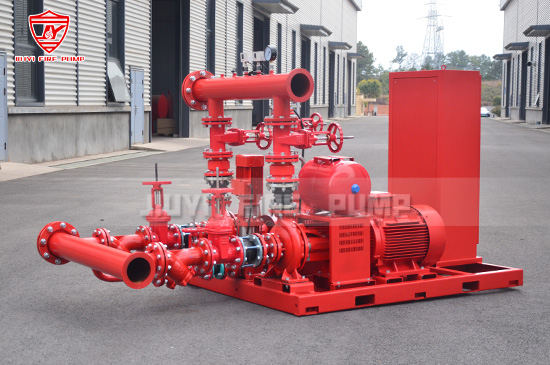
Regardless of the fire pump type, a jockey pump is essential for pressure maintenance in any fire pump set.
Jockey pumps are used in almost every type of fire protection system, including:
Fire sprinkler systems
Hydrant networks
Foam systems
High-rise fire standpipes
Fire pump package sets
Vertical turbine fire pump systems
Industrial fire protection systems
Any system with pressurized piping requires a jockey pump to ensure stable pressure.
By maintaining a constant pressure, jockey pumps ensure the system remains ready for fire events at all times.
Frequent starts of the main fire pump can damage motors, bearings, diesel engines, and controllers. Jockey pumps eliminate unnecessary cycles.
Fewer main pump starts mean lower repair, replacement, and downtime costs.
A stable pressure system ensures water flows instantly when sprinklers or hydrants are activated.
NFPA 20 requires a pressure maintenance pump for systems where pressure stability is necessary. A jockey pump helps meet this requirement.
Correct sizing is essential. Undersized or oversized jockey pumps can cause operational issues.
General guideline:
The jockey pump flow should be 1% to 3% of the main fire pump capacity.
For example:
If the main fire pump is 1000 GPM, the jockey pump may be around 10–30 GPM.
The jockey pump pressure is typically set 5–10 psi higher than the main fire pump churn pressure.
This ensures it handles small pressure drops without masking fire conditions.
Jockey pump start pressure: Slightly below normal system pressure
Jockey pump stop pressure: Slightly above normal system pressure
Main fire pump start pressure: Lower than jockey pump start pressure
These settings ensure proper sequencing.
For long-term stability, jockey pumps should be:
corrosion-resistant
compatible with fire water quality
durable under continuous operation
Many manufacturers use stainless steel, cast iron, or bronze components depending on water conditions.
Buildings that skip jockey pumps face several issues:
This is the most common and the most damaging consequence.
Mechanical failures occur faster when the main fire pump starts too often.
Without continuous pressure maintenance, system pressure may fluctuate, affecting sprinkler performance.
Unnecessary mechanical cycles shorten equipment life expectancy.
If the system is not pressurized fully at all times, fire response may be delayed.
To ensure reliable operation, jockey pumps require periodic inspection. Recommended practices include:
Checking pressure switch calibration
Inspecting pump seals and bearings
Verifying automatic start/stop operation
Testing pressure relief valves
Recording pressure trends
Ensuring the controller is functioning correctly
Compared with main fire pumps, jockey pumps require minimal maintenance, but consistent checks ensure reliability.
Today’s buildings require reliable and responsive fire protection. With increasing building height, system complexity, and safety regulations, maintaining pressure is more important than ever. Jockey pumps support this by:
Keeping fire protection systems stable
Protecting the main fire pump
Ensuring compliance with international standards
Reducing operational costs
Guaranteeing immediate response during fire conditions
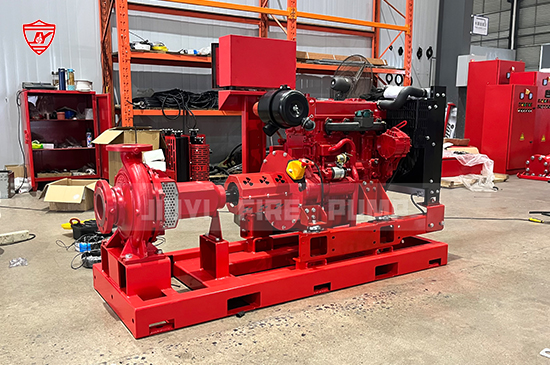
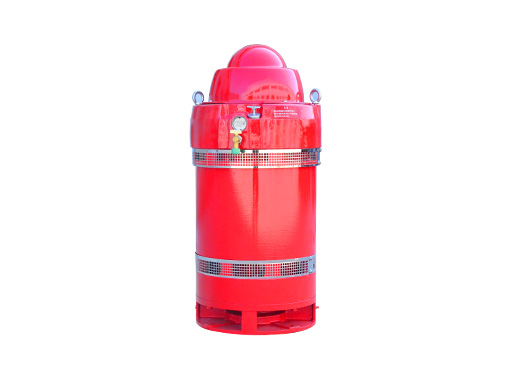
In modern fire pump package sets—whether electric fire pumps, diesel engine fire pumps, or vertical turbine fire pumps—the jockey pump is always a critical component.

A jockey pump may be one of the smallest components in a fire protection system, but its role is essential. By maintaining pressure, preventing false alarms, and protecting the main fire pump, it ensures the system is always ready for emergency operation. For building owners, fire safety engineers, and contractors, understanding the jockey pump’s purpose helps ensure better system design, higher reliability, and long-term safety.