A fire pump system is the backbone of any building’s fire protection infrastructure. Whether installed in industrial facilities, commercial towers, manufacturing plants, or public buildings, it exists for one purpose—ensuring adequate water pressure during a fire emergency. However, many buildings still rely on fire pump systems installed 10, 20, or even 30 years ago. Although these systems may continue to operate, they often fall behind in terms of performance, safety, compliance, and reliability. As regulations evolve and operational demands increase, upgrading an old fire pump system becomes not just necessary but essential for long-term safety.
This article provides a complete guide on how to upgrade an old fire pump system safely, covering evaluation, compliance, system design, new pump selection, installation, testing, and long-term maintenance. It is written for facility owners, consultants, EPC contractors, installers, and fire-safety professionals who need clarity and actionable steps.

Over time, fire protection requirements evolve due to increased infrastructure complexity, new fire risks, and updated codes. Here are the most common reasons companies upgrade their fire pump systems:
Fire codes such as NFPA 20 change regularly. An older system may not meet the current standard for pump performance, controller requirements, protection features, or installation layout. Non-compliant systems lead to regulatory risks, insurance complications, and safety concerns.
Aging pumps suffer from internal wear: impeller erosion, corrosion, seal leakage, motor degradation, and decreased flow output. This results in unstable pressure, insufficient flow, and slower response—especially dangerous during a fire event.
As buildings expand or production lines grow, the original system may no longer meet the required water demand. Higher sprinkler densities, additional hose stations, or enlarged storage areas often require more robust pump capacity.
Old systems often require constant repair, which increases operational cost and reduces reliability. Replacing the outdated unit is often more cost-effective than frequent maintenance.
Modern fire pumps offer better efficiency, improved control functions, enhanced safety, and smoother integration with smart fire-monitoring systems.
Upgrading a fire pump system is not as simple as swapping out the pump. It requires engineering evaluation, performance testing, component matching, and compliance review. Below is a professional workflow to guide a safe and effective upgrade.
A complete audit is the foundation of a safe upgrade. This includes:
Check structural space, ventilation, accessibility, foundation condition, electrical connections, and piping constraints. Many older pump rooms are smaller than modern standards and may require modification.
A flow test (as required by NFPA 25) helps determine the current capability of the fire pump. Compare the results with the pump’s rated conditions. If the curve falls short, an upgrade is necessary.
Reassess the total fire water demand based on the latest hazard classification for the building. Determine whether the old pump’s capacity is still appropriate.
Outdated controllers may fail to meet current automatic start requirements, fault alarms, or phase protection rules required by NFPA 20.
This includes valves, pressure sensors, relief valves, jockey pump, diesel engine exhaust system, suction supply condition, and backflow preventers.
A thorough assessment ensures that upgrades address the real issues, not just surface problems.
Fire pump upgrades must follow:
NFPA 20 (Standard for the Installation of Stationary Fire Pumps)
NFPA 25 (Inspection, Testing & Maintenance)
Local fire authority regulations
Insurance provider requirements
Confirm whether you need a UL listed pump set or other certifications based on project type. Using certified pumps ensures smooth approval and long-term reliability.
A detailed comparison helps choose the right strategy.
This includes changing impellers, updating controllers, replacing seals, or upgrading to more efficient motors. Retrofitting works when:
The pump body and main components are still in good condition
The system layout remains suitable
Performance shortfalls are minor
This is the best option when:
The pump curve no longer meets system demands
Corrosion and wear are severe
The controller is outdated
Spare parts are no longer available
The system must comply with new NFPA requirements
Replacing with a modern UL listed diesel or electric fire pump ensures better performance, reliability, and compliance.
When upgrading, selecting the right pump is crucial. Key considerations include:
Common options:
End Suction Fire Pump
Horizontal Split Case Fire Pump
Vertical Turbine Fire Pump
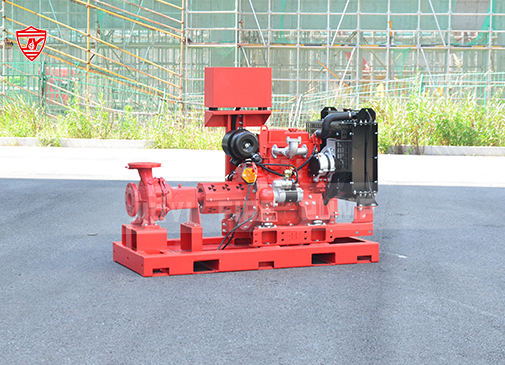
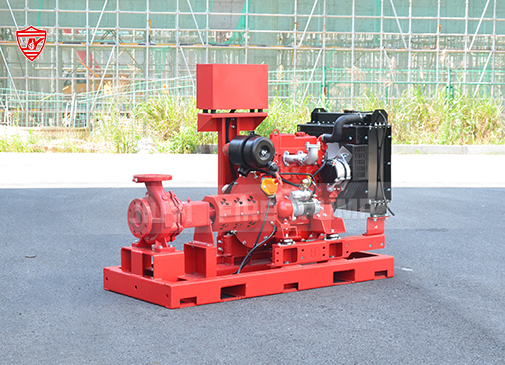
Diesel Engine Fire Pump
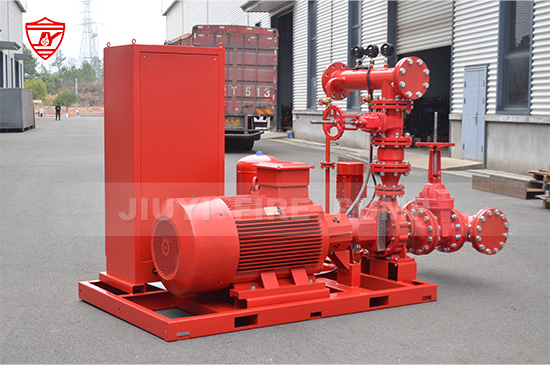
Electric Motor Fire Pump
The optimal type depends on your water source, flow requirements, and space limitations.
Match the pump’s rated flow (GPM or L/min) and pressure (PSI or bar) to the building’s hydraulic demand. Oversizing or undersizing creates reliability issues.
Choose between:
Diesel engine
Electric motor
Dual power solutions for critical facilities
Each option has different reliability, installation, and cost considerations.
For international projects, UL listed and NFPA 20-compliant fire pumps are preferred.
Modern corrosion-resistant materials prolong pump life, especially in harsh industrial or marine environments.
Many outdated fire pump systems fail because the controller or jockey pump malfunctions. A safe upgrade includes:
Modern controllers feature:
Automatic start logic
Alarm and fault history
Phase monitoring
Fail-safe design
Manual emergency operation
Upgrading the controller is essential for reliable system activation.
The jockey pump maintains pressure and reduces unnecessary starts of the main fire pump. Replacing an old jockey pump with an efficient model prolongs system life and ensures stability.
Old pipework can weaken system reliability. During an upgrade, inspect and replace:
Suction and discharge piping
Butterfly valves, check valves, and gate valves
Pressure gauges and flow meters
Relief valves and test headers
Modern components improve system response and minimize leakage.
Professional installation is essential. Key steps include:
Improper alignment causes vibration, noise, and premature wear. The pump base and foundation must be level and strong.
Ensure wiring, grounding, and diesel fuel systems meet NFPA and electrical code requirements.
Diesel engine pumps require sufficient airflow and exhaust routing.
After installation, perform:
Hydrostatic testing
Flow test
No-flow (churn) test
Controller function check
Alarm and signal verification
Proper commissioning ensures the system meets its rated performance and is ready for emergency operation.
A safe upgrade includes:
Updated system drawings
Revised hydraulic calculations
Maintenance manuals
Operating instructions for staff
Training ensures the team understands new equipment and emergency procedures.
Even after upgrading, regular maintenance is essential to keep the fire pump reliable. Establish a long-term plan according to NFPA 25:
Pump churn test
Controller inspection
Diesel engine fuel and battery check
Pressure recording
Jockey pump operation check
Full flow test
Complete system inspection
Performance evaluation
Consistent maintenance maximizes the lifespan of your upgraded system.

Upgrading an old fire pump system is a valuable investment in safety, compliance, and long-term reliability. A properly executed upgrade not only improves performance but also ensures your facility meets modern fire safety standards. By assessing your current system, choosing the right pump, updating controllers, modernizing accessories, and conducting thorough testing, you can build a stable and dependable fire protection foundation for years to come.
As a fire pump manufacturer, we support building owners, contractors, and engineering teams by providing UL listed and NFPA 20 compliant fire pumps, complete system solutions, and technical guidance tailored to each project. Whether you need a diesel engine fire pump, electric fire pump, vertical turbine pump, or full fire pump package set, a safe and efficient upgrade begins with choosing the right partner.