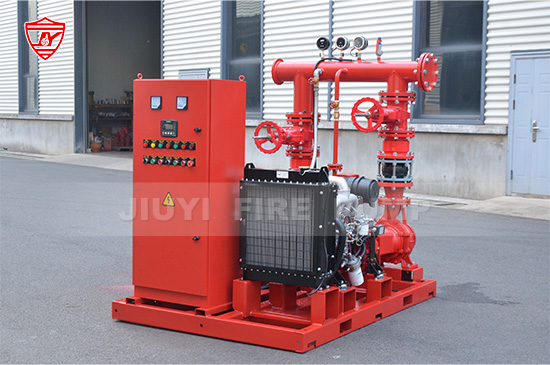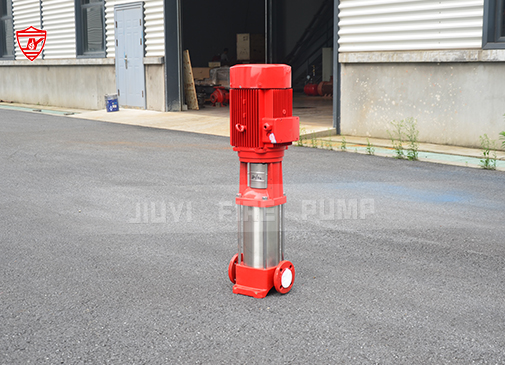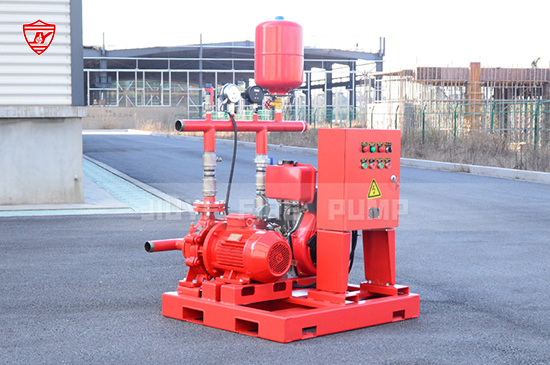
Fire pumps are a critical component of any fire protection system. When a fire pump cannot deliver adequate pressure, the entire system’s effectiveness is compromised, putting lives, property, and compliance at risk. Low-pressure issues are among the most common problems encountered during fire pump testing, commissioning, and operation.
This article provides a comprehensive, practical guide to troubleshooting fire pump low-pressure issues. It is written for fire protection engineers, contractors, facility managers, and inspectors who need a clear understanding of the causes, diagnostic steps, and corrective actions to restore proper fire pump performance.
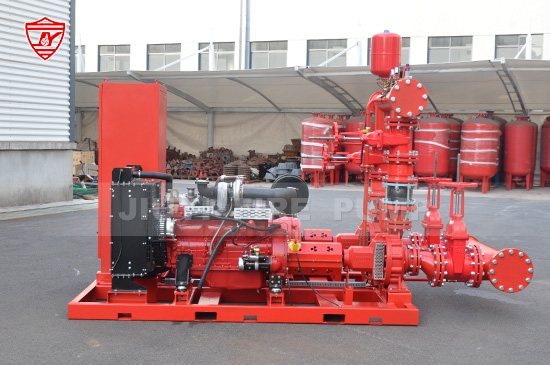
Before troubleshooting begins, it is important to define what qualifies as a low-pressure condition. A fire pump is considered to have low pressure when it fails to meet its rated pressure and flow as specified on the pump nameplate or required by the fire protection system design.
Low pressure may present itself in several ways:
The pump cannot reach rated pressure during a churn test
Discharge pressure drops significantly when flow demand increases
Pressure fluctuates or becomes unstable during operation
Pressure at remote hose valves or sprinklers is insufficient
Understanding when and how the pressure loss occurs helps narrow down the root cause.
Fire pump low-pressure problems rarely come from a single factor. In most cases, they are the result of mechanical, hydraulic, electrical, or system-related issues.
The most frequent cause of low fire pump pressure is insufficient suction supply. Fire pumps are designed to boost pressure, not create water where none exists.
Typical water supply issues include:
Low static or residual pressure from the municipal source
Insufficient water level in tanks or reservoirs
Undersized suction piping
Obstructions in suction lines
If the pump is starved of water, it cannot develop its rated pressure regardless of motor or engine condition.
Even small air leaks can significantly reduce pump performance. Air entering the suction line disrupts hydraulic efficiency and may lead to cavitation.
Common sources of air leakage include:
Loose or improperly sealed suction flange connections
Worn gaskets
Cracked pipes or fittings
Improperly installed eccentric reducers
Air leaks often go unnoticed but can cause unstable pressure readings and noisy pump operation.
Cavitation occurs when water vaporizes due to low pressure at the pump inlet, creating vapor bubbles that collapse inside the pump. This damages internal components and reduces pressure output.
Indicators of cavitation include:
Loud, gravel-like noises
Vibrations
Fluctuating discharge pressure
Gradual performance degradation
Cavitation is typically caused by insufficient Net Positive Suction Head (NPSH), which may result from high suction lift, high water temperature, or suction piping restrictions.
Over time, impellers may become worn, corroded, or damaged due to debris, cavitation, or improper materials. Even minor impeller wear can significantly reduce pump efficiency.
Signs of impeller-related pressure loss include:
Gradual decline in pressure over time
Normal motor or engine operation but reduced hydraulic output
No improvement after system adjustments
Impeller inspection often requires partial pump disassembly and should follow manufacturer recommendations.
Fire pump pressure is directly related to pump speed. If the pump is not operating at its rated speed, it will not produce rated pressure.
Speed-related issues may include:
Incorrect motor voltage or frequency
Improper motor wiring
Engine governor misadjustment
Belt slippage in certain configurations
Even a small reduction in speed can result in a noticeable pressure drop.
For electric fire pumps, electrical supply issues are a common cause of low pressure.
Potential electrical problems include:
Low incoming voltage
Phase imbalance
Undersized power cables
Faulty controllers or starters
These conditions can prevent the motor from developing full torque, limiting pump output.
Diesel fire pumps rely on engine performance to achieve rated speed and pressure.
Low pressure may result from:
Fuel system restrictions
Clogged fuel filters
Turbocharger malfunction
Incorrect governor settings
Insufficient engine maintenance
Engine-related issues often show up as slow acceleration, inability to reach rated RPM, or unstable operation.
Restrictions downstream of the pump can reduce effective pressure at system outlets.
Common discharge-side problems include:
Partially closed discharge valves
Blocked or improperly installed check valves
Obstructed piping
Incorrect system configuration
These issues may not reduce pump discharge gauge pressure significantly but can cause low pressure at remote points.
A structured troubleshooting approach helps isolate the problem efficiently and safely.
Ensure the pump is being tested under correct conditions:
Confirm gauge accuracy and calibration
Verify test flow rates and valve positions
Ensure the system configuration matches design requirements
Incorrect testing methods can lead to false low-pressure readings.
Measure suction pressure during operation and compare it to expected values. Inspect water levels, suction valves, and piping configuration.
Pay close attention to:
Water source capacity
Suction pipe diameter and layout
Presence of air pockets
Conduct a thorough visual and physical inspection of suction-side components. Tighten flanges, replace damaged gaskets, and verify proper pipe alignment.
Vacuum testing may be used to identify hidden air leaks.
Confirm the pump is operating at rated speed:
For electric pumps, verify voltage, current, and frequency
For diesel pumps, measure engine RPM
Any deviation from rated speed should be corrected before further troubleshooting.
Inspect controllers, power supply, fuel systems, and control settings. Address any alarms, abnormal readings, or maintenance issues.
If external factors are ruled out, internal inspection may be necessary. This includes checking:
Impeller condition
Wear rings
Shaft alignment
Bearings and seals
Internal inspections should follow manufacturer guidelines and applicable standards.
Many low-pressure issues can be avoided through proper design, installation, and maintenance.
Key preventive practices include:
Correct suction piping design with adequate diameter and minimal fittings
Regular inspection and testing in accordance with NFPA requirements
Routine maintenance of motors, engines, and controllers
Monitoring of water supply conditions over time
Using fire pumps that are properly sized and listed for the application
Preventive maintenance not only ensures compliance but also extends the life of the fire pump system.
A fire pump must be selected based on accurate system demand, water supply analysis, and applicable codes. Oversized or undersized pumps can both lead to pressure-related issues.
Working with an experienced fire pump manufacturer helps ensure:
Correct pump type selection
Compliance with applicable standards
Reliable long-term performance
Proper selection reduces troubleshooting frequency and improves overall system reliability.
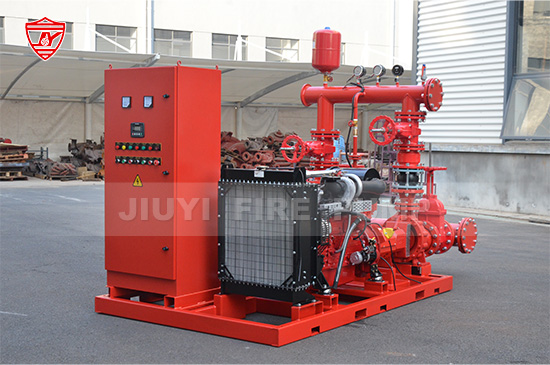
Fire pump low-pressure issues should never be ignored. They are often a warning sign of underlying problems that can compromise fire protection performance when it matters most. By understanding the common causes, following a structured troubleshooting process, and implementing preventive measures, system operators can quickly identify issues and restore proper pressure.
Reliable fire pump performance is not only a matter of compliance but a responsibility to protect lives and property. Regular testing, proper maintenance, and informed troubleshooting are essential to ensuring that fire pumps perform exactly as designed in an emergency.