In fire protection engineering, reliability is non-negotiable, especially when safeguarding critical facilities such as hospitals, data centers, power plants, airports, and industrial complexes. In these environments, even a few seconds of system failure can lead to catastrophic consequences, including loss of life, operational paralysis, and severe financial damage.
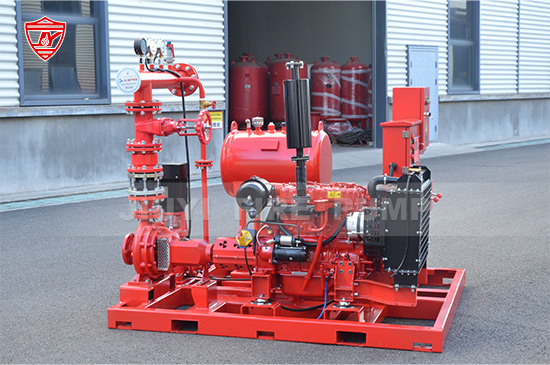
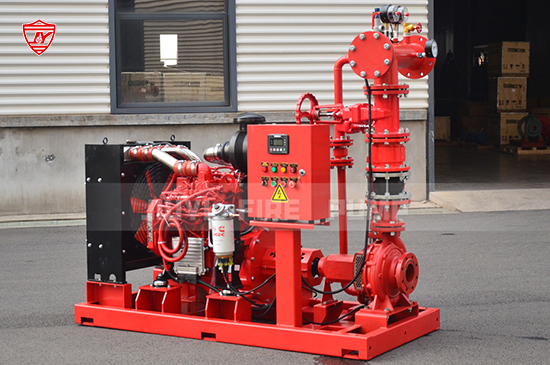
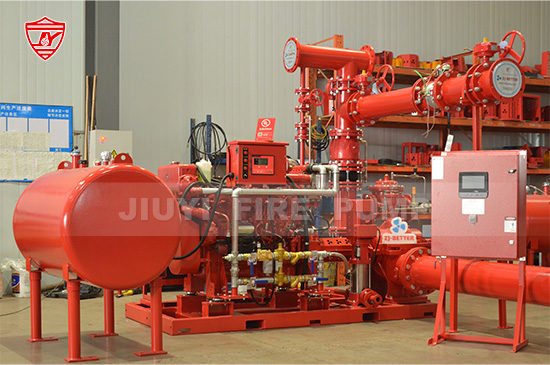
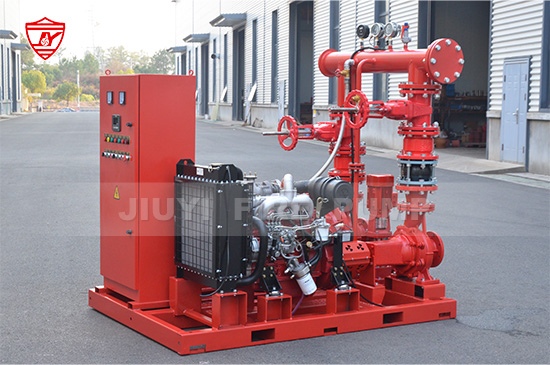
Among all fire pump system options, diesel fire pumps have consistently been preferred for critical facilities. This preference is not accidental; it is based on decades of field performance, regulatory guidance, and real-world emergency conditions. This article explores why diesel fire pumps remain the most trusted choice for high-risk and mission-critical applications.
Understanding the Role of Fire Pumps in Critical Facilities
Fire pumps are the heart of any fire protection system. Their primary function is to supply sufficient pressure and flow to sprinklers, hydrants, and hose systems when municipal water pressure is inadequate.
In critical facilities, fire pumps must operate under the most demanding conditions:
-
During electrical failures
-
During natural disasters
-
Under continuous high load
-
With minimal human intervention
Any fire pump selected for such environments must meet strict requirements for independence, reliability, endurance, and compliance. Diesel fire pumps excel in all these areas.
Independence from Electrical Power Supply
One of the most important reasons diesel fire pumps are preferred is their complete independence from the electrical grid.
Fires are often accompanied by power failures caused by damaged electrical systems, transformer shutdowns, or safety-related power isolation. In these scenarios:
-
Electric fire pumps may be rendered inoperable
-
Emergency generators may fail or be overloaded
-
Automatic transfer systems may experience delays
Diesel fire pumps operate using dedicated diesel engines, allowing them to:
-
Start instantly without external power
-
Continue running regardless of grid conditions
-
Provide full-rated performance during total power loss
For critical facilities where uninterrupted fire protection is mandatory, this independence is invaluable.
Superior Reliability in Emergency Conditions
Reliability under extreme conditions is a defining advantage of diesel fire pumps.
Diesel engines are mechanically driven and designed for:
-
High torque output
-
Continuous operation
-
Resistance to voltage fluctuations or electrical faults
In contrast to electrically driven systems, diesel fire pumps are less vulnerable to:
-
Electrical short circuits
-
Control panel malfunctions
-
Power quality issues
Their mechanical simplicity allows them to perform reliably even after long periods of inactivity, making them ideal for emergency-only equipment that may sit idle for months or years.
Compliance with NFPA 20 and Global Fire Codes
Diesel fire pumps are explicitly recognized and widely accepted under NFPA 20, the leading standard for fire pump installation worldwide.
NFPA 20 highlights diesel fire pumps as a preferred option when:
-
Electrical reliability is uncertain
-
Power sources are not under full facility control
-
The facility risk level is exceptionally high
For critical facilities, regulatory authorities, insurance providers, and fire consultants often recommend or require diesel fire pumps to ensure compliance and risk mitigation.
Their acceptance across international fire codes also simplifies approval processes for large-scale or cross-border projects.
Proven Performance in Critical Industries
Diesel fire pumps are extensively used in facilities where fire protection failure is unacceptable.
Hospitals and Healthcare Facilities
Hospitals must remain operational during emergencies. Fire pumps must function even when backup power is prioritized for life-support equipment. Diesel fire pumps ensure fire protection without competing for electrical resources.
Data Centers
Data centers house high-value equipment and sensitive digital infrastructure. Fire suppression systems rely on immediate and stable water pressure, even during grid failures caused by overheating or electrical faults.
Power Plants and Substations
Facilities generating or distributing electricity cannot depend on their own power availability during fire events. Diesel fire pumps provide a reliable, independent safety layer.
Oil, Gas, and Industrial Plants
In high-risk industrial environments, diesel fire pumps are favored for their ability to operate in harsh conditions, remote locations, and explosive atmospheres where electrical systems pose additional risks.
High Starting Torque and Pumping Capability
Diesel engines deliver high starting torque, which is particularly beneficial for:
-
Large-capacity fire pumps
-
Vertical turbine fire pumps
-
Long pipeline systems with high friction loss
This capability ensures that the fire pump reaches rated speed and pressure quickly, even under full system load. In critical facilities, rapid pressure build-up can determine whether a fire is controlled or escalates.
Extended Operating Duration
Another major advantage of diesel fire pumps is their ability to run continuously for extended periods.
As long as sufficient fuel is available, diesel fire pumps can operate for:
-
Several hours
-
Multiple fire events
-
Prolonged firefighting operations
This endurance is essential in large facilities where:
-
Fires may take longer to control
-
External firefighting resources may be delayed
-
Water demand remains high over time
Fuel storage requirements defined by fire codes ensure that diesel fire pumps are prepared for worst-case scenarios.
Reduced Dependency on Complex Electrical Infrastructure
Electric fire pumps require:
-
Dedicated electrical feeders
-
Emergency power sources
-
Transfer switches
-
Voltage stabilization
Each additional component introduces potential failure points. Diesel fire pumps, by comparison, rely on:
-
A dedicated engine
-
A mechanical controller
-
A fuel system
This reduced dependency on complex electrical infrastructure increases system robustness and simplifies emergency operation.
Better Performance in Remote and High-Risk Locations
Many critical facilities are located in areas where:
-
Power infrastructure is unstable
-
Utility supply is limited
-
Environmental conditions are harsh
Diesel fire pumps are well suited for:
-
Remote industrial sites
-
Mining facilities
-
Oil terminals
-
Rural hospitals and logistics hubs
Their self-contained design allows them to function reliably without reliance on external utilities.
Long Service Life and Proven Durability
Diesel engines used in fire pump systems are specifically designed for:
-
Low annual operating hours
-
High reliability
-
Long service intervals
When properly maintained, diesel fire pumps offer:
-
Long operational lifespan
-
Consistent performance over decades
-
Lower risk of unexpected failure during emergencies
This durability makes them a long-term investment for facilities where fire protection cannot be compromised.
Maintenance Considerations for Critical Facilities
While diesel fire pumps require routine maintenance, this maintenance is predictable and well-defined:
-
Weekly or monthly test runs
-
Fuel quality checks
-
Battery inspection
-
Cooling system monitoring
For critical facilities, these maintenance routines are often integrated into existing safety management systems, ensuring the fire pump remains in a constant state of readiness.
Diesel Fire Pumps vs Electric Fire Pumps in Critical Applications
While electric fire pumps are suitable for many standard buildings, diesel fire pumps offer clear advantages in critical applications:
-
Higher reliability during power loss
-
Greater independence from facility infrastructure
-
Stronger acceptance by insurers and authorities
-
Better performance under extreme conditions
As a result, diesel fire pumps are frequently selected as either the primary fire pump or a mandatory backup system in high-risk facilities.
Conclusion
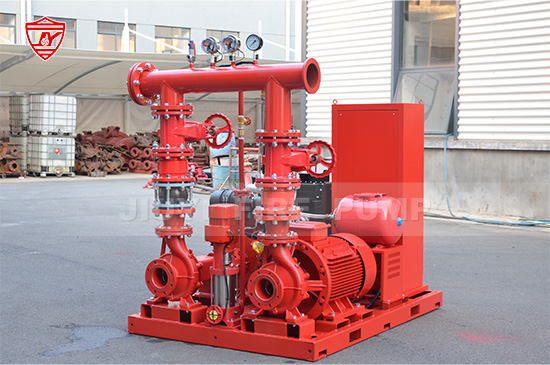
Diesel fire pumps are preferred for critical facilities because they deliver unmatched reliability, independence, and emergency performance when it matters most. Their ability to operate without external power, comply with strict fire codes, and perform under extreme conditions makes them the trusted choice for safeguarding essential infrastructure.
For facilities where fire protection failure is not an option, diesel fire pumps provide peace of mind, regulatory confidence, and proven protection in the moments that matter most.