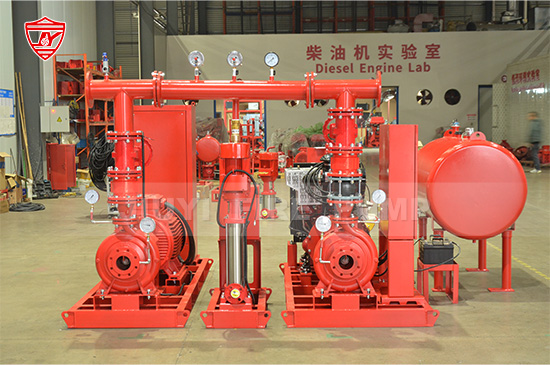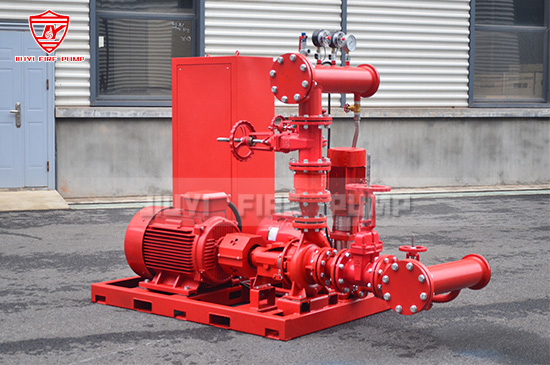
Fire pumps are the heart of any fire protection system. In critical moments, they must start instantly, deliver rated pressure and flow, and operate continuously under demanding conditions. Unlike many mechanical systems, fire pumps are rarely used in real emergencies, which makes preventive maintenance even more important. Without regular inspection and servicing, hidden issues can go unnoticed until failure occurs when the system is needed most.
Preventive maintenance is not just a regulatory requirement; it is a strategic investment that directly extends fire pump service life, improves system reliability, and protects lives and property. This article explains why fire pump preventive maintenance is essential, how it works, and how it contributes to long-term performance and cost efficiency.
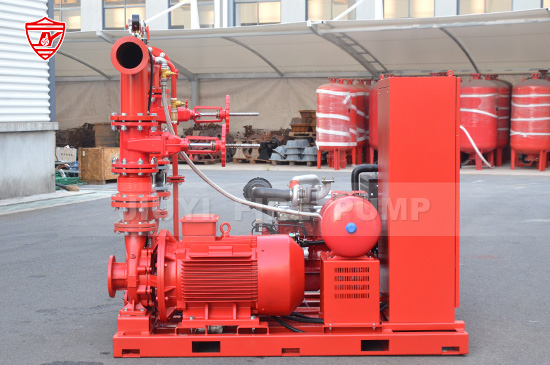
Fire pump preventive maintenance refers to planned, routine inspection, testing, servicing, and corrective actions performed to keep fire pumps in optimal operating condition. Unlike reactive maintenance, which addresses failures after they occur, preventive maintenance focuses on identifying and correcting small issues before they become major problems.
Fire pumps operate under unique conditions. They remain idle for long periods, yet must perform flawlessly during emergencies. This combination increases the risk of mechanical seizure, corrosion, fuel degradation, and electrical faults. Preventive maintenance addresses these risks systematically.
Key objectives of preventive maintenance include:
Maintaining rated flow and pressure performance
Preventing mechanical and electrical failures
Extending component lifespan
Ensuring compliance with fire safety standards
Reducing downtime and emergency repair costs
Fire pumps consist of rotating components such as shafts, bearings, impellers, and couplings. Even when idle, environmental factors such as humidity, dust, and temperature changes can cause deterioration. Regular lubrication, alignment checks, and vibration monitoring reduce friction and mechanical stress.
By maintaining proper lubrication and alignment, preventive maintenance minimizes abnormal wear patterns that shorten equipment life. Components operate within design tolerances, reducing fatigue and extending overall service life.
Corrosion is one of the most common causes of premature fire pump failure. Moisture, oxygen, and stagnant water can corrode casings, impellers, piping, and fasteners. Diesel fire pumps are particularly vulnerable to fuel contamination and internal corrosion.
Preventive maintenance includes inspections for rust, leaks, and coating damage, as well as draining condensation from fuel tanks and controllers. Early detection allows corrective action before corrosion compromises structural integrity or performance.
For diesel engine fire pumps, preventive maintenance ensures proper engine operation through oil analysis, coolant checks, battery testing, and fuel system inspection. For electric fire pumps, it includes insulation resistance testing, motor bearing inspection, and electrical connection tightening.
Engines and motors degrade gradually. Preventive maintenance slows this process by ensuring clean fuel, stable voltage, proper cooling, and correct load conditions. This significantly extends operating life and reduces the risk of catastrophic failure.
Fire pumps are emergency systems that may run only during testing or actual fires. Long idle periods can cause seals to dry out, bearings to seize, and electrical contacts to oxidize.
Regular test runs, as part of preventive maintenance, keep components moving, distribute lubricants, and confirm operational readiness. This practice alone can prevent many failures associated with inactivity.
Fire pump performance is defined by its ability to deliver required flow and pressure under fire conditions. Preventive maintenance ensures that valves are fully operational, impellers are free of obstructions, and controllers respond correctly to pressure changes.
Routine performance testing verifies that the pump operates on its design curve. Identifying deviations early prevents gradual performance loss that could otherwise remain undetected until an emergency.
Unexpected fire pump failure often results from minor issues that were ignored or undetected. Loose electrical connections, low battery voltage, clogged strainers, or degraded seals can all lead to system failure.
Preventive maintenance focuses on early detection. Addressing small defects proactively significantly reduces the risk of sudden, complete system failure during a fire event.
Facility owners, fire safety managers, and insurers rely on fire pumps to be fully operational at all times. A well-documented preventive maintenance program provides confidence that the system will perform as designed.
High system availability also reduces liability risks and enhances trust with authorities having jurisdiction.
Fire pump preventive maintenance is closely aligned with recognized fire safety standards. Regular inspections, testing, and maintenance activities are essential to remain compliant with applicable codes and guidelines.
Failure to maintain fire pumps properly can result in non-compliance findings, fines, insurance issues, or system shutdowns. Preventive maintenance ensures documentation, test records, and service activities are consistently up to date.
Insurance providers often require proof of routine fire pump maintenance. Well-maintained systems may qualify for better insurance terms and reduced risk classifications.
Preventive maintenance records also simplify audits and inspections by demonstrating due diligence and proactive risk management.
While preventive maintenance requires ongoing investment, it significantly reduces total lifecycle cost. Emergency repairs, component replacement, and system downtime are far more expensive than planned maintenance activities.
Extending fire pump service life delays the need for capital replacement, delivering substantial long-term savings.
A failed fire pump may force facility shutdowns until repairs are completed. This can disrupt operations, delay projects, or halt occupancy approvals.
Preventive maintenance reduces unplanned downtime by keeping the system in reliable condition and identifying issues during scheduled service windows.
Fire pump failures can lead to secondary damage, including controller failure, piping leaks, or motor burnout. Addressing root causes early prevents cascading failures that increase repair scope and cost.
An effective preventive maintenance program typically includes:
Regular visual inspections of pump, driver, controller, and accessories
Lubrication of bearings and moving parts
Fuel, oil, and coolant checks for diesel engines
Electrical inspections for electric motors and controllers
Weekly or monthly test runs under controlled conditions
Annual performance testing to verify rated capacity
Documentation and corrective action tracking
Consistency is critical. Maintenance tasks must follow a defined schedule and be performed by trained personnel familiar with fire pump systems.
Fire pump manufacturers play an important role in supporting preventive maintenance. Providing clear operation manuals, maintenance guidelines, spare parts availability, and technical support helps ensure long-term performance.
Manufacturers design fire pumps for durability, but real-world performance depends heavily on proper installation, operation, and maintenance. Collaboration between manufacturers, installers, and end users is essential to maximize service life.
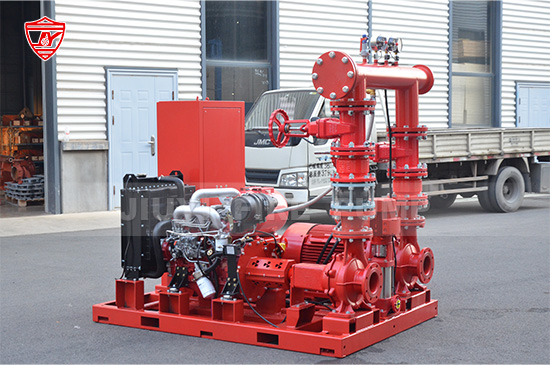
Fire pump preventive maintenance is one of the most effective ways to extend service life, ensure reliability, and protect lives and property. By reducing mechanical wear, preventing corrosion, maintaining engine and motor health, and ensuring compliance with fire safety standards, preventive maintenance delivers long-term operational and financial benefits.
For any fire protection system, reliability is not optional. A disciplined preventive maintenance program transforms fire pumps from dormant equipment into dependable life safety assets ready to perform when they are needed most.
.jpg)