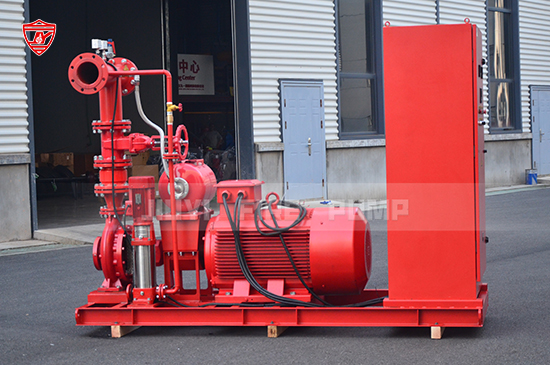
Fire pumps are among the most critical components of any fire protection system. During a fire emergency, these pumps provide the water pressure and flow necessary for sprinklers, standpipes, hydrants, and other firefighting equipment to operate effectively. Because lives and valuable assets depend on their performance, every fire pump must undergo rigorous testing before it leaves the factory, after installation, and throughout its service life.
One of the most important evaluations is fire pump hydraulic testing. This test verifies whether the pump delivers the designed flow rate, pressure, and efficiency under various operating conditions. It also confirms that the pump performs according to its certified performance curve and project specifications.
In this article, we will explain what fire pump hydraulic testing is, why it is essential, how it is performed, and what results engineers and facility owners should expect.
.jpg)
Fire pump hydraulic testing is a comprehensive performance test that measures the hydraulic characteristics of a fire pump under controlled operating conditions. The primary objective is to verify that the pump delivers the required water flow and pressure while maintaining stable operation.
Unlike a simple leak or pressure test, hydraulic testing evaluates the complete performance of the pump. It measures parameters such as:
The collected data is compared with the pump's design specifications and performance curve to determine whether the pump meets manufacturing and industry standards.
Hydraulic testing is performed at multiple stages, including factory acceptance testing, commissioning after installation, and periodic maintenance inspections.
A fire pump that cannot produce the required pressure or flow during an emergency may cause an entire fire protection system to fail. Hydraulic testing minimizes this risk by confirming that every component operates as intended.
The benefits include:
Hydraulic testing verifies that the pump can deliver sufficient water to every part of the protected building. This is especially important for high-rise buildings, industrial plants, warehouses, airports, hospitals, and commercial facilities.
Every pump manufactured has slight variations due to machining tolerances and assembly. Hydraulic testing confirms that each completed unit meets design requirements before shipment.
Many projects require testing according to recognized fire protection standards and customer specifications. Proper testing demonstrates compliance during inspections and project acceptance.
Hydraulic testing can identify issues that may not be visible during assembly, including:
Finding these problems before installation saves both time and money.
Fire pumps represent a significant investment. Proper testing helps prevent costly repairs, unexpected downtime, and emergency replacements.
Hydraulic testing is typically conducted at several important stages.
This is the most comprehensive hydraulic test. The manufacturer verifies that the fire pump meets all design specifications before delivery.
Factory testing often includes:
Customers may witness the testing before shipment.
After installation, hydraulic testing confirms that the complete fire protection system performs correctly with the installed piping, valves, controllers, and water supply.
This ensures that transportation, installation, or alignment has not affected pump performance.
Periodic hydraulic testing helps identify performance degradation caused by:
Trend analysis allows maintenance teams to plan repairs before failures occur.
Several hydraulic and mechanical values are measured during testing.
Flow rate indicates the amount of water delivered by the pump, usually measured in:
The pump should achieve its rated flow without excessive vibration or instability.
Head represents the energy added to the water by the pump.
It is calculated from:
The measured head should closely match the design performance curve.
Both suction and discharge pressures are continuously monitored throughout the test.
Stable pressure indicates smooth operation.
Pressure fluctuations may suggest:
Efficiency measures how effectively the pump converts mechanical energy into hydraulic energy.
Higher efficiency generally indicates:
The power required by the motor or diesel engine is measured throughout the test.
Unexpectedly high power demand may indicate:
Pump rotational speed directly affects flow and pressure.
Speed must remain within specified tolerances during testing.
Adequate NPSH helps prevent cavitation.
Manufacturers evaluate suction conditions to ensure stable operation under expected service conditions.
Although procedures vary depending on pump type and project requirements, most hydraulic tests follow a similar sequence.
Engineers inspect:
All components must be properly installed before testing begins.
Pressure gauges, flow meters, temperature sensors, and power analyzers are calibrated to ensure accurate measurements.
Accurate instrumentation is essential for reliable test results.
The pump and suction piping are completely filled with water.
Removing trapped air helps prevent inaccurate readings and cavitation.
The pump starts under controlled conditions while operators monitor:
Any abnormal condition is investigated immediately.
The pump is operated at several flow points, including:
Measurements are recorded at every operating point.
Engineers compare measured values with the expected performance curve.
Parameters evaluated include:
Any deviations outside allowable tolerances require investigation.
After testing, the pump is inspected again for:
A detailed test report is then prepared.
Professional hydraulic testing requires specialized equipment capable of producing accurate and repeatable results.
Common equipment includes:
Modern testing facilities often use automated systems that continuously record operating data for detailed performance analysis.
Hydraulic testing can identify many issues before a fire pump enters service.
Common findings include:
Possible causes include:
This may result from:
Potential causes include:
This may indicate:
Cavitation occurs when vapor bubbles form and collapse inside the pump.
It can cause:
Hydraulic testing helps identify cavitation before serious damage occurs.
A properly tested fire pump provides confidence that the system will perform during an emergency.
Reliable hydraulic testing helps ensure:
For building owners, engineers, contractors, and insurance providers, documented hydraulic test results provide valuable evidence that the fire protection system has been thoroughly verified.
Not all manufacturers offer the same level of testing capability. When selecting a fire pump supplier, buyers should consider whether the manufacturer has a dedicated hydraulic testing facility and follows strict quality control procedures.
Look for manufacturers that provide:
A manufacturer with advanced testing capabilities can significantly reduce project risks while ensuring consistent product quality.
.jpg)
Fire pump hydraulic testing is one of the most important quality assurance procedures in the fire protection industry. It verifies that a fire pump delivers the required flow, pressure, and performance needed to protect people, property, and critical infrastructure during emergencies.
From factory acceptance testing to on-site commissioning and routine maintenance, hydraulic testing provides the data needed to confirm that every pump operates safely and efficiently. It also helps identify potential problems before they become costly failures, extending equipment life and improving system reliability.
For engineers, contractors, consultants, and facility owners, understanding the purpose and value of hydraulic testing is essential when selecting and maintaining fire pump systems. By partnering with a manufacturer that invests in advanced hydraulic testing facilities and strict quality control, organizations can ensure their fire protection systems are prepared to perform when they are needed most.
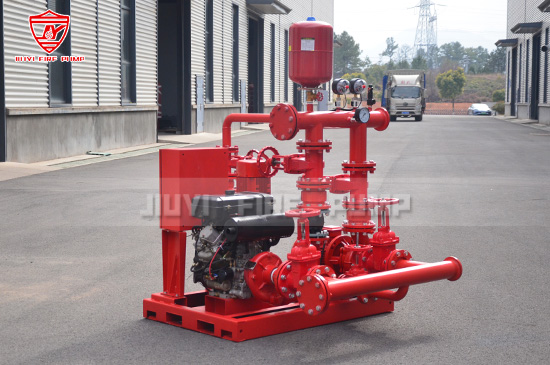
.jpg)