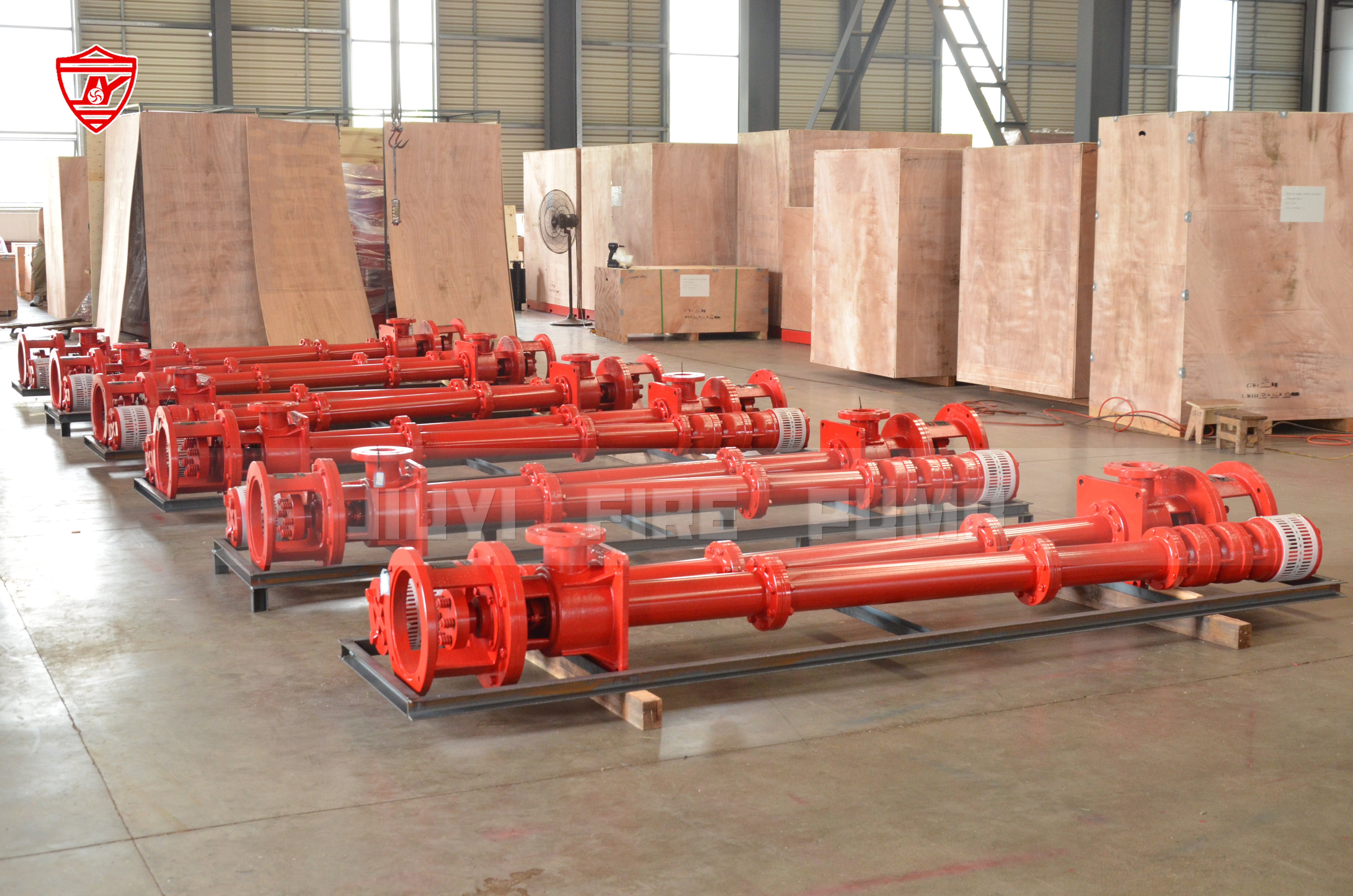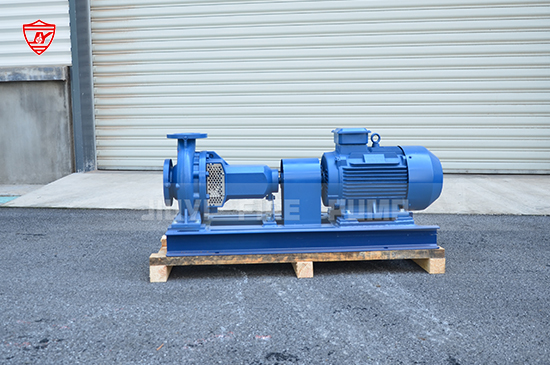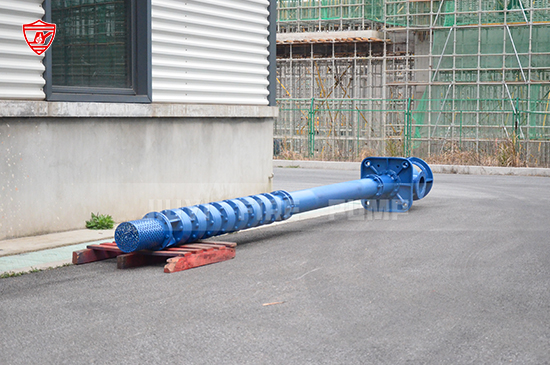
Fire pumps are critical to ensuring fire safety in various settings, from industrial complexes to residential buildings. Their role is simple yet vital—provide a reliable water supply during a fire emergency. However, fire pumps are often subjected to harsh environmental conditions, including extreme temperatures, high humidity, and corrosive air. These factors can significantly impact their reliability, potentially jeopardizing the safety of the facility and its occupants.
To ensure the optimal functioning of fire pumps, it’s essential to consider how these environmental factors affect the system and implement strategies that mitigate their impact. In this article, we’ll explore several ways to enhance fire pump reliability, particularly when exposed to harsh environmental conditions.
Before diving into solutions, it's important to first understand the types of environmental challenges that fire pumps face in different conditions:
Extreme Temperatures: Whether it’s scorching heat or freezing cold, temperature extremes can cause components to degrade, lubricants to thicken, and seals to fail.
Corrosive Elements: In coastal areas, salty air can accelerate corrosion of metal components. Similarly, exposure to chemicals, industrial pollutants, and airborne contaminants can lead to faster wear and tear.
High Humidity: High humidity can lead to rust, mold, and mildew, especially in pumps that are not sealed properly. Over time, this can affect the pump’s mechanical and electrical components.
Dust and Debris: In industrial settings, dust, dirt, and debris can clog filters and ventilation systems, impeding airflow and affecting the cooling process of pumps.
Regular maintenance is the foundation of fire pump reliability. To mitigate the effects of harsh environmental conditions, routine inspections and preventative maintenance must be performed consistently.
Check Seals and Gaskets: Regularly inspect seals and gaskets for any signs of degradation or wear. In extreme temperatures, seals may contract or expand, potentially leading to leaks or performance loss.
Lubrication: Ensure that fire pump components, especially moving parts like bearings and shafts, are adequately lubricated. In cold climates, consider using synthetic lubricants designed for extreme conditions. In hotter climates, ensure that lubricants are regularly changed to prevent breakdown.
Pump Testing: Perform monthly or quarterly testing to ensure that the fire pump starts quickly and achieves the required pressure. Pay particular attention to any changes in performance, which may be indicative of issues like corrosion or clogged filters.
Electrical Systems Check: Inspect electrical wiring and connections regularly to prevent issues such as short circuits or power failures. This is especially important in humid or corrosive environments.
Selecting the right materials for your fire pump system is essential, particularly in areas where environmental conditions may speed up the corrosion process. For coastal or industrial settings, consider materials like:
Stainless Steel: Known for its corrosion resistance, stainless steel is a top choice for pump components exposed to salty or industrial air. It’s durable and resists rust and corrosion.
Bronze: Bronze is another material with natural corrosion resistance, ideal for pumps exposed to seawater or other harsh chemicals.
Coatings and Paints: If the pump’s components are made from metal, ensure they are coated with a protective layer. Specialized coatings can protect against corrosion, even in saltwater environments.
Proper installation plays a critical role in ensuring the reliability of fire pumps in harsh conditions. The following installation practices can help safeguard the pump from environmental damage:
Climate-Controlled Housing: In areas with extreme temperatures or humidity, installing the fire pump in a climate-controlled environment can significantly extend its lifespan. A pump house with adequate ventilation, heating, and cooling can protect the pump from excessive heat or moisture.
Elevated Installations: In flood-prone areas, elevate the fire pump system above ground level to protect it from water damage during heavy rains or storms.
Sealed Enclosures: For industrial environments with high dust or corrosive elements, enclose the fire pump system in a sealed housing that limits exposure to contaminants.
A single point of failure in a fire pump system can compromise the safety of an entire building. In environments where conditions are particularly harsh, consider implementing redundant systems to provide backup in case the primary pump fails.
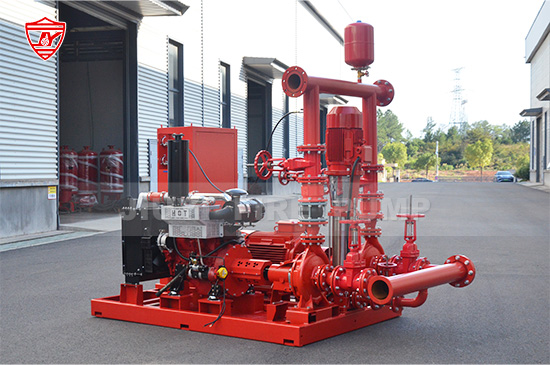
Dual Pump Systems: Two or more pumps can be installed to operate simultaneously or in a backup capacity. This ensures that if one pump fails, the other can continue to function without delay.
Backup Power Supply: Ensure that fire pumps are equipped with a reliable backup power source, such as generators or battery systems, to prevent failure during a power outage. In areas prone to hurricanes or other weather-related disruptions, backup power is essential for ensuring that the pump remains operational.
Technology can play a key role in ensuring that fire pumps remain reliable in harsh environments. Remote monitoring and automated systems provide real-time data on pump performance, allowing for proactive maintenance and reducing the need for manual inspections.
Sensors and Alarms: Install pressure, temperature, and flow sensors that can detect any irregularities in the system. Set up alarms to alert you if any values fall outside of normal operating parameters, so you can address potential issues before they lead to system failure.
Remote Monitoring: Use remote monitoring systems to keep track of pump performance and condition in real time. This allows for faster responses to issues and ensures that problems are addressed before they escalate.
While the fire pump system itself plays a large role in maintaining reliability, human error can also be a factor. Ensure that your team is properly trained to operate and maintain fire pumps in harsh conditions.
Training in Harsh Environments: Educate your staff on the specific challenges posed by extreme weather, corrosive environments, and other factors. Provide them with the skills to recognize early warning signs of pump failure and know how to handle them.
Maintenance Best Practices: Training should also include clear protocols for routine maintenance, troubleshooting, and emergency procedures to ensure that the pump system operates at full capacity when needed.
Keeping a stock of critical spare parts can reduce downtime during an emergency. In environments where conditions are especially harsh, wear and tear on components can happen more quickly, so it’s essential to have parts on hand for immediate replacement.
Essential Spare Parts: Keep a supply of important components such as seals, bearings, pumps, electrical switches, and lubricants. Ensure that all spare parts are compatible with the system and stored in a protected environment to avoid damage.
As technology evolves, so too should your fire pump system. In harsh environmental conditions, older systems may not offer the same reliability as newer models designed with advanced materials and technology.
Upgrading to Modern Systems: Consider upgrading to newer fire pumps that are specifically designed for extreme conditions. Newer models may offer enhanced durability, improved energy efficiency, and better corrosion resistance.
Software and Automation Upgrades: As your system ages, it may benefit from software updates that enhance its performance. Upgrading automation and control systems can provide more efficient monitoring and better operational data analysis.
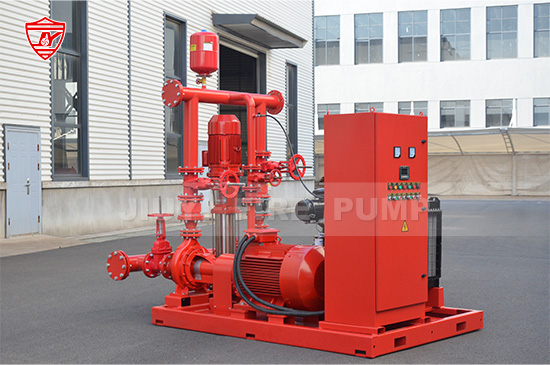
Ensuring fire pump reliability in harsh environmental conditions is a multifaceted task that requires attention to detail in terms of materials, installation, maintenance, and technology. By understanding the environmental factors at play and adopting best practices to protect and maintain your system, you can ensure that your fire pump will function optimally when it’s needed the most.
Implementing the strategies outlined above—regular maintenance, corrosion-resistant materials, redundancy, remote monitoring, and proper training—can significantly extend the lifespan and reliability of your fire pump system. By preparing in advance, you’re not just safeguarding the equipment, but also ensuring the safety and protection of your property, assets, and people.