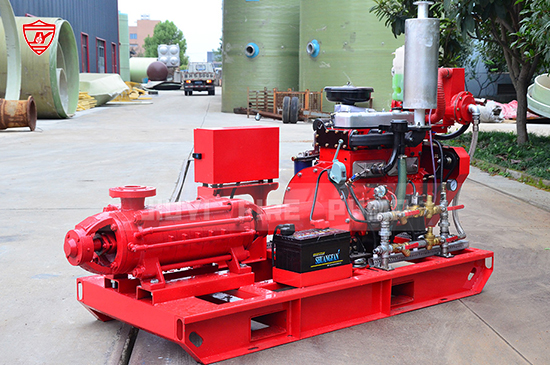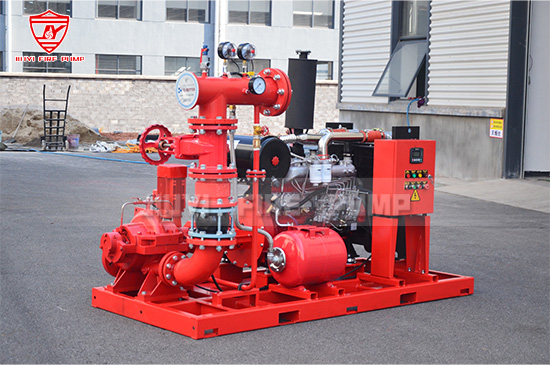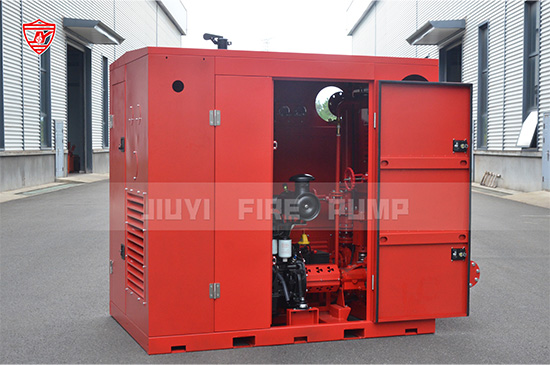
When installing fire pump systems in cold climates, several unique challenges arise, making it crucial to ensure that fire safety equipment functions reliably in extreme temperatures. A well-designed and properly maintained fire pump system is essential for maintaining fire safety, even in regions with frigid winters. This article explores best practices, tips, and techniques for installing fire pump systems in extreme cold regions to help prevent failures and ensure reliable operation during emergencies.
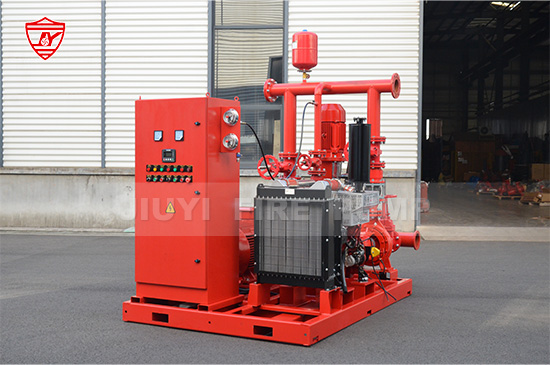
Cold regions pose particular challenges for fire pump systems. Freezing temperatures, heavy snow, and ice can affect the system’s ability to function properly. Some of the key challenges include:
Frozen Pipes: Water supply lines are at risk of freezing, leading to damage or blockage.
Pump Failure: Fire pumps may become less efficient in extremely cold conditions, affecting their performance.
Increased Risk of Corrosion: Moisture in freezing temperatures can lead to accelerated corrosion of metallic components.
Operational Delays: Freezing temperatures can delay the startup of fire pumps or the flow of water.
Proper installation methods and specific precautions can mitigate these risks and ensure the fire pump system operates smoothly when needed.
The first step in installing a fire pump system in extreme cold regions is choosing the right equipment. Not all fire pumps are built to handle low temperatures. There are a few key factors to consider when selecting the pump:
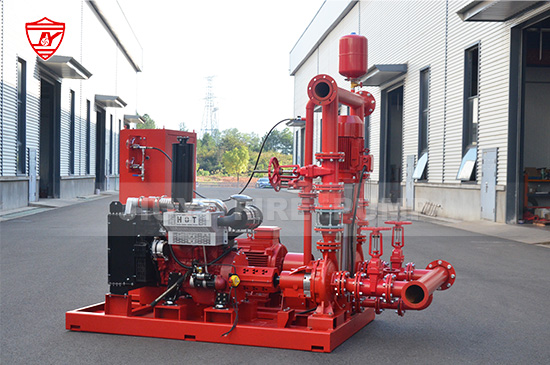
Diesel vs. Electric: Diesel-powered fire pumps tend to perform better in cold temperatures, as they are less affected by electrical outages. However, electric pumps are also an option, provided you have reliable power sources and backup generators.
Pump Sizing: Make sure the fire pump is correctly sized for the specific fire protection needs of the building or facility. Undersized pumps will struggle in cold conditions, while oversized pumps can be inefficient.
Cold-Weather Components: Choose fire pumps with cold-weather ratings and ensure the components, such as valves and piping, are designed to withstand freezing temperatures.
Insulating the water supply lines and piping system is crucial to prevent freezing and ensure the system operates smoothly during a fire emergency. In regions with extreme cold, frost protection becomes a priority. Here are some methods for insulating the pipes:
Pipe Insulation: Use foam, fiberglass, or mineral wool insulation around the piping to prevent heat loss and keep water from freezing. Insulate pipes especially where they are exposed to the outside air or unheated spaces.
Heated Tracing: For pipes that run through exposed or unheated areas, use electric heating cables (heat tracing) to maintain water flow above freezing temperatures. These cables maintain a consistent temperature along the pipe, reducing the risk of freezing.
Insulated Valve Boxes: Ensure that valve boxes and other critical components are insulated to protect them from freezing, as these are the parts most susceptible to cold damage.
For facilities located in regions that experience extreme cold, installing heating systems within the pump house or equipment rooms is essential to prevent freezing of the fire pump equipment and ensure operational efficiency. Consider the following options:
Space Heaters: Electric or propane-powered space heaters can be installed in pump houses and equipment rooms to maintain a minimum temperature that prevents freezing.
Radiant Heating: This system uses heated floors or walls to provide a more consistent and efficient method of heating, reducing the likelihood of cold spots that could affect the fire pump's performance.
Tank Heaters: For fire pump tanks that store water or foam, tank heaters should be considered to ensure the contents do not freeze and remain usable when needed.
To safeguard the fire pump system against extreme cold, a frost-proof pump house or enclosure should be built. These structures are specially designed to keep internal temperatures above freezing, even in the harshest conditions. Key considerations for frost-proof pump houses include:
Proper Ventilation: Adequate ventilation ensures that the pump house stays dry and free of excess moisture, which can lead to condensation and freezing.
Temperature Control: The pump house should have a reliable heating system in place to maintain a consistent temperature and prevent freezing.
Insulation: Insulate the walls, roof, and floor of the pump house to trap heat inside and protect the equipment from the external cold.
One of the most important steps in preparing a fire pump system for extreme cold is winterizing it to avoid damage during the colder months. This involves draining the system of any water or other liquids that could freeze and cause damage. Winterizing tasks include:
Draining Pipes and Tanks: Empty all water lines and tanks that are not needed during the winter to prevent water from freezing inside the system.
Bleeding Valves and Pumps: Ensure all valves and pumps are properly drained, including any residual water inside the components. For diesel-powered pumps, ensure that the fuel system is also winterized by draining and replacing fuel if needed.
Checking for Leaks: Winterizing is also an excellent opportunity to check for any potential leaks in the system. Freezing temperatures can exacerbate leaks, so it’s important to seal any cracks or gaps in the piping, valves, and other components.
Once installed, regular inspection and maintenance are critical for ensuring the fire pump system continues to function properly. For systems installed in cold climates, routine checks should focus on:
Inspecting the Insulation: Check the insulation for wear and tear, and replace any damaged sections. Insulation can degrade over time, especially when exposed to extreme weather conditions.
Testing the Heating Systems: Regularly check heating systems, such as space heaters and pipe heaters, to ensure they are functioning effectively and maintaining appropriate temperatures.
Monitoring Pump Performance: Perform tests on the fire pump to ensure it can start up quickly and operate at full capacity when needed. Cold temperatures can affect fuel efficiency and pump performance, so it’s essential to address any issues early.
Emergency Draining: In case of a system shutdown or malfunction, ensure that an emergency drainage system is in place to prevent water from freezing in the pipes.
Before installing fire pump systems in extreme cold regions, it is essential to familiarize yourself with local building codes and regulations that pertain to fire safety equipment in cold climates. These regulations may outline specific requirements for insulation, heating, and maintenance of fire pumps in cold environments. By complying with these codes, you ensure that your system is both safe and effective, meeting the necessary standards for fire protection.
Installing fire pump systems in extreme cold regions requires careful planning, appropriate equipment selection, and diligent maintenance to ensure reliable operation. By focusing on insulation, heating systems, and regular testing, you can safeguard the system against the challenges posed by freezing temperatures and ensure it will function as required during a fire emergency. Whether installing a new system or upgrading an existing one, following these best practices will ensure optimal performance and protection for facilities in cold climates.
By prioritizing the specific needs of fire pump systems in extreme cold regions, you can maintain the safety and functionality of your fire protection infrastructure, safeguarding lives and property during the coldest months of the year.