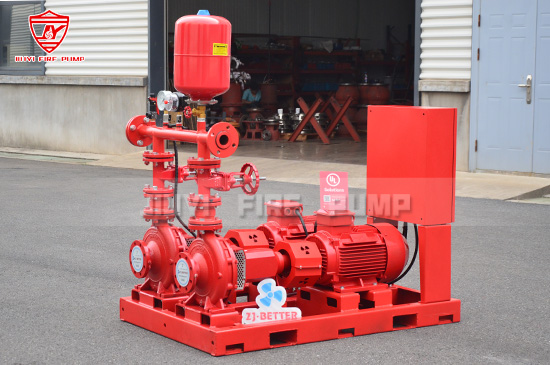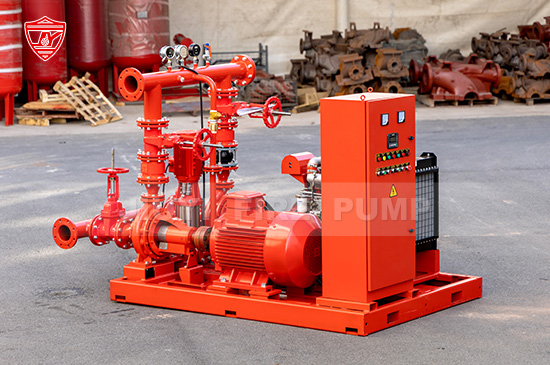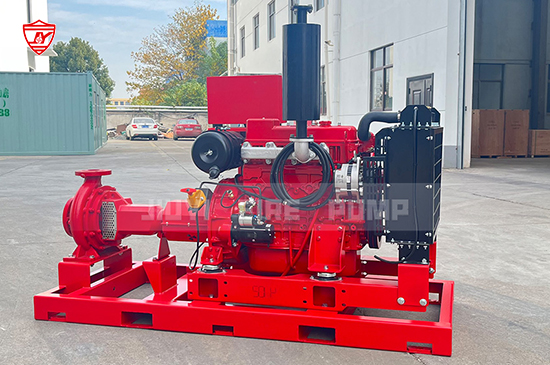
Electrical overloads in fire pump systems can be catastrophic, compromising the reliability and safety of fire protection systems. As a manufacturer of fire pumps, it's crucial to educate industry professionals about the risks and ways to prevent electrical overloads in these critical systems. In this article, we will explore the causes of electrical overloads in fire pumps, the impact they have on system performance, and best practices for prevention. This is an essential guide for anyone involved in fire safety, from installation professionals to facility managers.
Electrical overload occurs when the electrical current flowing through the circuit exceeds the system's designed capacity, causing overheating and damage to the components. In fire pump systems, an overload can result from several factors, such as faulty wiring, improper motor sizing, or inadequate protection devices. Overloaded circuits can damage the pump motor, cause malfunctioning of control panels, or even lead to system failure when it's needed most during a fire emergency.
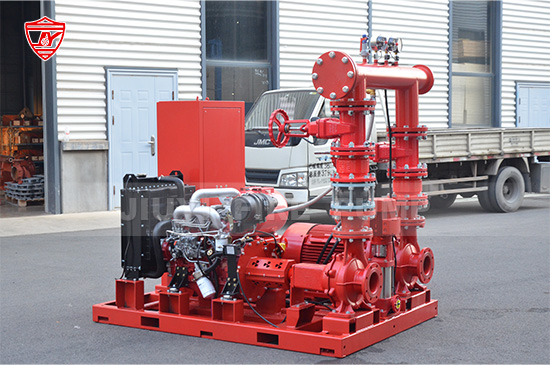
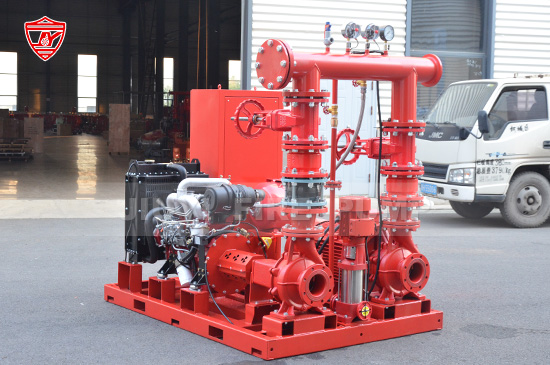
Fire pump systems are a critical component in fire protection systems, responsible for delivering the required water flow and pressure to extinguish fires. These systems include electric motors or diesel engines, control panels, piping, and various sensors and switches that work together to provide a reliable firefighting solution.
Given the high stakes involved, any malfunction in the system, especially caused by electrical overload, can lead to catastrophic failures when a fire emergency arises. Therefore, preventing electrical overloads is a matter of ensuring the system's safety and efficiency.
Electrical overloads in fire pump systems can occur due to various reasons. Identifying these potential causes can help mitigate the risk of an overload:
Undersized Wiring or Circuit Breakers:
One of the most common causes of electrical overloads is the use of undersized wiring and circuit breakers. These components are designed to handle specific electrical loads, and if they are not adequately rated for the fire pump system, they may fail under high demand.
Motor Problems:
The motor is the heart of the fire pump system. Issues such as faulty windings, excessive heat buildup, or mechanical failures can lead to increased electrical load, ultimately causing an overload.
Incorrect Motor Sizing:
Selecting the wrong motor size for a fire pump can strain the electrical system. A motor that is too small may struggle to deliver the required pressure and flow, while an oversized motor can lead to energy inefficiency and possible overload.
Control Panel Failures:
Malfunctioning control panels or failure to properly set overload protection devices can allow excessive current to flow through the system, causing damage to electrical components.
Inadequate Grounding and Bonding:
Poor grounding can cause electrical faults, increasing the risk of overloads. Proper grounding ensures the safe dissipation of electrical energy and prevents excessive current from damaging the system.
Preventing electrical overloads is crucial for maintaining the reliability of fire pump systems. Here are some practical tips and best practices to ensure your fire pump system is safeguarded against overloads:
Motor Sizing: Select motors that are appropriately sized for the fire pump system’s flow and pressure requirements. This ensures that the motor can handle the load without overworking itself.
Wiring and Circuit Breakers: Ensure that wiring, circuit breakers, and other electrical components are correctly rated to handle the motor’s full load. Use wire gauges and circuit breakers that meet or exceed the specifications of the pump motor.
Overcurrent Protection: Install overcurrent protection devices, such as fuses and circuit breakers, to prevent excessive current from damaging the system. These devices should be rated for the specific motor and wiring used in the fire pump system.
Routine Motor Inspections: Regularly inspect motor windings and other internal components to identify potential issues before they cause problems. Addressing wear and tear early can prevent overloading.
Lubrication: Ensure proper lubrication of moving parts to reduce friction and prevent overheating. Overheating is a major factor contributing to electrical overloads in motors.
Cleaning and Cooling: Dirt and debris can accumulate on motors, causing heat buildup. Ensure that motors and electrical panels are kept clean and free from obstructions. Additionally, ensure the cooling system is functioning optimally.
Overload Relays: Install overload relays to automatically disconnect the motor in the event of an overload, preventing further damage. These relays can be adjusted to suit the system's specific needs.
Thermal Protection: Use thermal protection devices that monitor the temperature of the motor. If the motor reaches unsafe temperatures, these devices will shut it down before an overload occurs.
Circuit Protection: Ensure that circuit breakers are properly calibrated to the motor's full-load amperage. This will ensure that the fire pump is not subjected to electrical overload conditions during normal operation.
Real-time Monitoring: Implement a real-time monitoring system to track the electrical load of the fire pump. This can help identify potential overload situations before they cause significant damage. Monitoring systems can also alert operators to abnormal conditions, allowing for prompt corrective action.
Load Shedding: In some cases, fire pump systems can be integrated with load-shedding mechanisms to reduce the load during non-emergency conditions, minimizing the risk of overload.
Effective Grounding System: Ensure that the fire pump system is properly grounded to prevent electrical faults and reduce the risk of overloads. A well-grounded system will safely dissipate excess electrical energy.
Bonding: All metal parts of the pump system, including motors and control panels, should be properly bonded to prevent electrical faults that could lead to overloads.
Staff Training: Train staff and maintenance personnel on how to recognize signs of electrical overload and how to respond effectively. Proper training helps in preventing operational mistakes that could lead to overloads.
Operation Manuals: Provide operators with detailed operation manuals outlining proper system startup, shutdown, and maintenance procedures. Understanding the system’s limits and operational guidelines can reduce the risk of overloads.
Electrical overload prevention is essential for maintaining the safety and functionality of fire pump systems. An overload not only increases the risk of fire pump failure during a critical emergency but also leads to costly repairs and downtime. Furthermore, excessive heat generated by electrical overloads can cause long-term damage to electrical components, reducing the overall lifespan of the system.
By implementing best practices such as proper motor sizing, routine inspections, the use of overload protection devices, and effective grounding, fire pump systems can be safeguarded against electrical overloads. These preventative measures will help ensure that fire protection systems are reliable, efficient, and operational when they are needed most.
Electrical overloads in fire pump systems can be devastating, but with careful planning, proper maintenance, and the use of appropriate protective devices, these risks can be minimized. By understanding the causes and preventive measures, professionals in the fire safety field can ensure the optimal performance of their fire pump systems, providing peace of mind and protection when it matters most.
Preventing electrical overloads isn't just about avoiding technical failures—it's about ensuring that your fire pump system will function when lives and property are at stake. Take action today to implement these strategies and safeguard your fire protection systems from unnecessary electrical hazards.