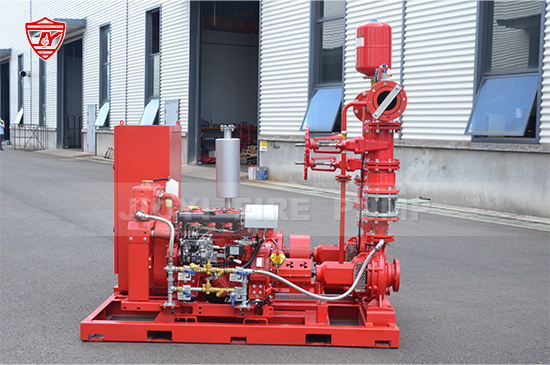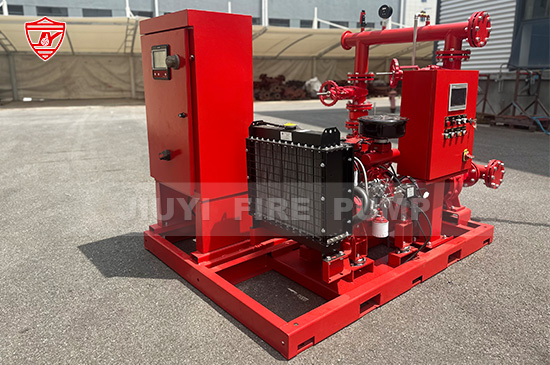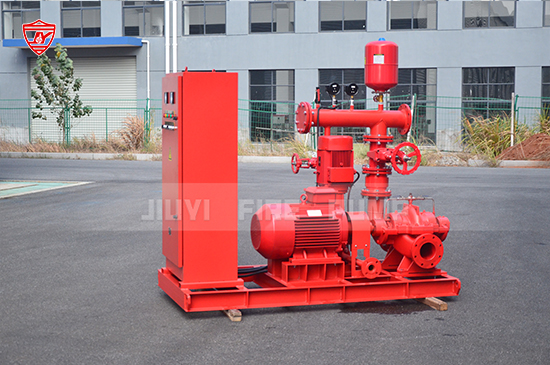
Ensuring the reliability of fire pump systems is crucial for safeguarding properties and lives in case of a fire emergency. However, fire pump systems, like all electrical equipment, are vulnerable to power disruptions. This is where backup power systems come into play. A well-designed backup power system for fire pumps can make the difference between life and death, as it ensures the pump operates even during power outages or electrical failures.
In this article, we will walk you through the essential steps and considerations when designing a backup power system for fire pumps. By the end, you’ll have a clear understanding of how to maintain fire pump reliability, meet compliance requirements, and enhance overall fire safety measures.
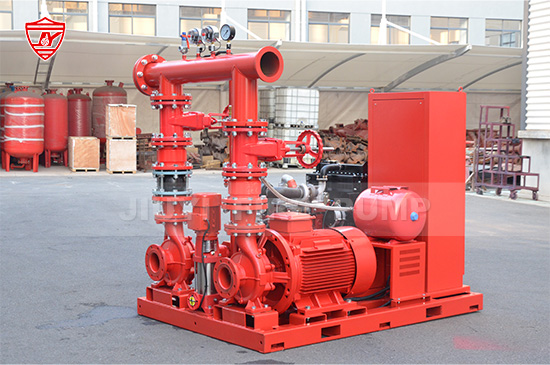
Before diving into backup power solutions, it's crucial to understand the electrical needs of fire pumps. Fire pumps, depending on their type (electric, diesel, or vertical turbine), require a certain amount of power to operate efficiently. Key considerations include:
Pump Motor Size: Whether it’s an electric motor or a diesel engine, the power requirement will depend on the pump’s horsepower (HP) and performance rating.
Starting and Running Power: Electric motors, especially larger ones, need more power to start up than to continue running. Diesel engines, however, have a different power consumption profile.
Operating Voltage: Knowing the operating voltage of the fire pump motor is essential for selecting the correct backup power supply, as compatibility with your existing electrical system is necessary.
For instance, a typical fire pump might require anywhere between 7.5 HP to 250 HP, and understanding this will guide the selection of an appropriate backup generator or battery bank.
There are several backup power options available for fire pump systems. Each has its advantages and suitability depending on the specific application and location.
Diesel generators are a widely used solution for fire pump backup systems due to their robustness and reliability. They are capable of providing the necessary power in the event of a utility power failure, ensuring that the fire pump operates smoothly.
Advantages: Diesel generators are powerful, can handle heavy loads, and are ideal for larger installations.
Considerations: Regular maintenance and fuel availability are crucial. Diesel generators require periodic testing and proper storage of fuel to ensure reliable operation.
For smaller installations or systems requiring a quicker response time, a UPS system might be the best option. A UPS will provide immediate power from batteries, preventing any delays in pump operation.
Advantages: Quick response time, ensures immediate backup power to fire pumps.
Considerations: Battery life is limited, and the system may not be suitable for larger pumps that require more extended power durations.
Battery backup systems are becoming increasingly popular due to their low maintenance needs and quiet operation. Lithium-ion or lead-acid batteries are commonly used for providing backup power to fire pumps, especially in areas where noise or fuel availability may be a concern.
Advantages: Low maintenance, no fuel dependency, compact design.
Considerations: Battery systems may have limited backup duration, requiring regular monitoring and replacement.
When designing a backup power system for fire pumps, compliance with local codes and national standards is non-negotiable. These codes ensure that your system is safe, reliable, and performs as expected during an emergency. In the U.S., the NFPA 20 standard is particularly important for fire pump installations. It outlines the requirements for the design, installation, and maintenance of fire pump systems, including backup power.
NFPA 20 Requirements: The standard mandates that a fire pump must be supplied with a reliable and continuous power source, even during an electrical outage. It specifies that backup generators or other systems must be capable of providing power to the pump for at least 2 hours.
Other codes may include UL 2085 for fire-resistant tanks, which is often required for backup fuel storage. It's essential to consult these regulations to avoid penalties or delays in installation.
For mission-critical facilities, such as hospitals or data centers, fire pump backup systems may need to be more robust. Redundancy in the backup power system ensures that if one power source fails, there is always a secondary source to take over.
Dual Power Sources: Implementing two independent power sources, such as a combination of a diesel generator and a UPS system, can add another layer of reliability.
Automatic Transfer Switches (ATS): An ATS ensures that power is automatically switched to the backup power source in the event of a failure. For fire pumps, the ATS should trigger an immediate transition to the backup source without any delay.
Redundancy also applies to fuel supply for diesel generators. Installing two separate fuel tanks or using a combination of tanks and batteries can prevent fuel depletion from causing the system to fail during an emergency.
For backup power systems relying on diesel generators, fuel storage and maintenance are key factors in ensuring reliability.
Fuel Storage Capacity: The generator’s fuel tank should have enough capacity to run the fire pump for the duration of an emergency. Typically, this is a minimum of 24 hours but may vary based on the facility's requirements.
Fuel Quality and Maintenance: Regularly test and treat the fuel to prevent contamination and degradation. Diesel fuel can become stale if not used regularly, which can result in generator failure.
Additionally, maintenance routines such as testing the backup power system under load conditions, performing oil changes, and checking batteries should be scheduled to ensure everything functions during a power outage.
Routine testing and monitoring of the backup power system are essential to ensure its readiness. Regular load testing helps determine if the generator can handle the fire pump's power demands during an emergency. It also allows you to identify potential issues such as fuel shortages, electrical malfunctions, or battery failures before they cause problems during an actual emergency.
Monthly Testing: Generators and battery systems should be tested at least once a month to ensure they are fully operational.
Simulation Drills: Conduct fire pump system simulations during scheduled maintenance to ensure all components are in working order.
Backup power systems require long-term planning to ensure they remain effective and reliable. This includes:
Upgrading the System: As fire pumps or building power demands change, your backup power system might need an upgrade. Regularly assess whether your backup solution can handle future demands.
Tracking Performance: Implement a maintenance tracking system to log all tests, repairs, and upgrades. This helps keep track of the system's performance and ensures no critical issues are missed.
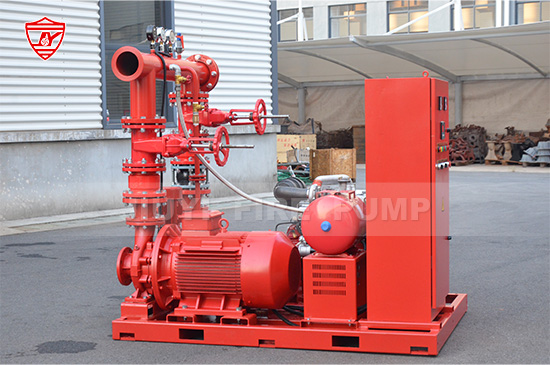
Designing a backup power system for fire pumps involves a combination of proper understanding of power needs, selecting the right power source, ensuring compliance with standards, and performing ongoing maintenance and testing. By following these steps, you can ensure that your fire pump system remains operational during a power failure, providing critical fire protection when needed most.
By investing in the right backup power solutions and maintaining them effectively, you contribute to the safety of everyone relying on your fire protection systems. It is not just about following regulations—it’s about creating a robust safety net for those who depend on it during emergencies.