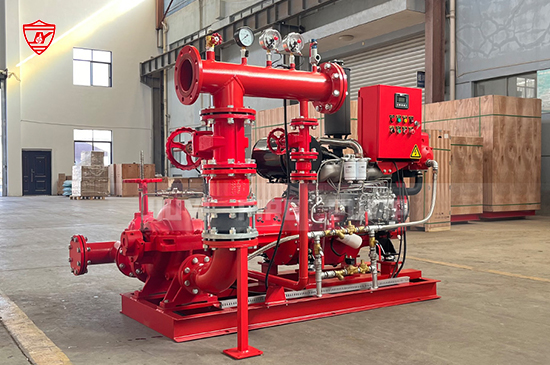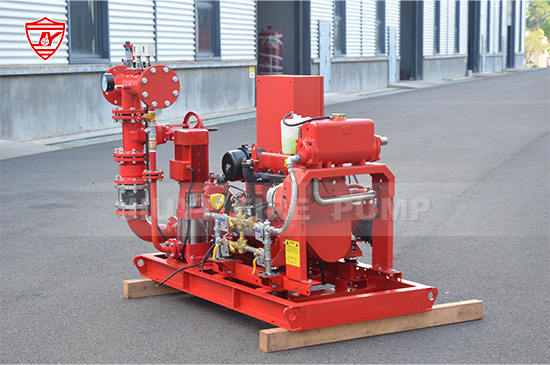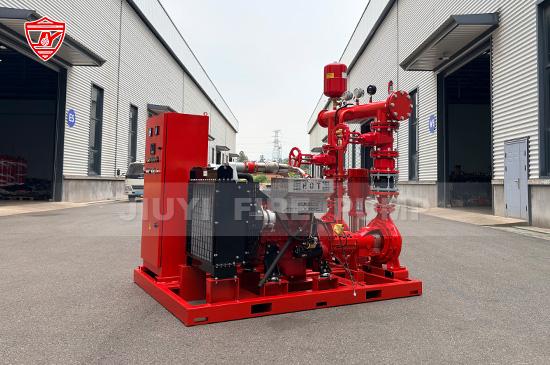
When it comes to protecting large industrial warehouses from fire, having the right fire pump is essential. Fire pumps are the backbone of an effective fire protection system, ensuring that there is enough water pressure to control and extinguish fires before they escalate. However, with several types of fire pumps available, determining which one is best for your facility can be challenging.
In this article, we'll explore the different fire pump types, including electric fire pumps, diesel engine fire pumps, and jockey pumps, to help you choose the right one for your industrial warehouse. We’ll also discuss the factors that influence your decision, such as power availability, maintenance needs, and the size of your warehouse.
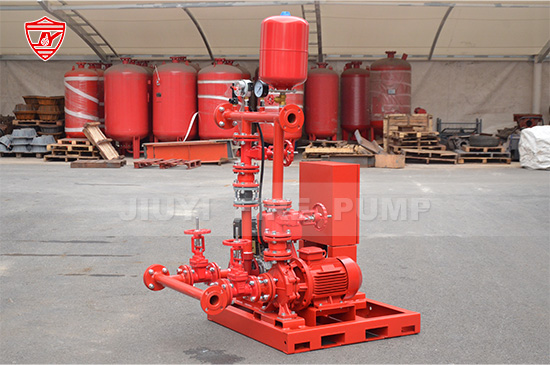
Before diving into which fire pump is best for your warehouse, it’s important to understand the fundamental role fire pumps play in a fire protection system. Fire pumps are responsible for providing the necessary water flow and pressure to fire suppression systems, such as sprinklers, hydrants, and hoses.
The performance of a fire pump is measured in terms of flow rate (the volume of water the pump can deliver) and pressure (the force with which water is discharged). Depending on the layout and design of the warehouse, different types of fire pumps may be required to meet these needs.
Overview
Electric fire pumps are the most common type used in commercial and industrial fire protection systems. These pumps are powered by electricity and are typically more energy-efficient than diesel pumps. They are ideal for areas where a reliable electricity supply is available and where low operating costs are a priority.
Advantages
Energy Efficiency: Electric fire pumps have low operational costs compared to diesel-powered pumps.
Quiet Operation: They are quieter and cause less vibration, making them ideal for environments that require minimal noise disruption.
Low Maintenance: Electric pumps generally require less maintenance because they don’t have moving parts like a diesel engine.
Disadvantages
Dependence on Power Supply: If there’s a power outage during a fire, an electric pump may not work unless there is an emergency backup generator.
Limited to Locations with Power Supply: This type of pump is not suitable for areas where a consistent power supply is not guaranteed.
Best For:
Electric fire pumps are best suited for industrial warehouses located in areas with a reliable electrical grid. They are ideal for facilities that have backup power systems in place, such as generators or uninterrupted power supplies (UPS).
Overview
Diesel fire pumps are powered by internal combustion engines and are often used as a backup or primary pump when there is no electricity supply. Diesel pumps are reliable and can operate independently of the power grid, making them suitable for remote locations or warehouses that are prone to power outages.
Advantages
Independence from the Power Grid: Diesel engine pumps do not rely on electricity and can function in areas with unreliable power.
High Power Output: Diesel engines can provide more horsepower, making them suitable for large facilities requiring high water pressure and flow.
Durability: Diesel pumps are built to last and can withstand harsh conditions, which is why they are favored for large warehouses.
Disadvantages
Higher Fuel Costs: Diesel pumps require fuel, and the ongoing fuel costs can add up over time.
Higher Maintenance Needs: Diesel engines require more maintenance compared to electric pumps, including regular oil changes and engine upkeep.
Noise and Vibration: Diesel engine pumps are louder and vibrate more, which can be disruptive in some environments.
Best For:
Diesel engine fire pumps are ideal for large industrial warehouses that operate in areas with frequent power outages or for facilities with high water demand. They are perfect for locations where the primary electricity supply is unreliable, and there is a need for continuous, high-powered performance.
Overview
Jockey pumps are small, low-pressure fire pumps used to maintain the pressure within a fire protection system. They are often used in conjunction with larger primary pumps, such as electric or diesel fire pumps, to ensure that the system stays pressurized at all times.
Advantages
Pressure Maintenance: Jockey pumps maintain constant pressure in the system, which helps prevent the main fire pump from turning on unnecessarily.
Energy Efficient: They use less energy compared to larger pumps and help prevent wear and tear on the primary pump.
Small and Compact: Jockey pumps are usually smaller and more compact, making them easy to install in tight spaces.
Disadvantages
Limited Use: Jockey pumps cannot provide the high flow rate and pressure needed to fight a fire; they are only used to keep the system pressurized.
Dependency on Main Pump: Jockey pumps only work in conjunction with a larger fire pump system, meaning they cannot function independently during a fire.
Best For:
Jockey pumps are best used in large warehouses where maintaining system pressure is crucial. They are ideal for supplementing electric or diesel fire pumps and ensuring that the fire protection system operates efficiently.
Choosing the right fire pump for your warehouse involves evaluating several critical factors. Here’s a breakdown of the most important considerations:
The larger the warehouse, the greater the demand for water pressure and flow. Large warehouses may need multiple fire pumps or a combination of electric, diesel, and jockey pumps to ensure the entire facility is protected.
If your warehouse has a reliable power source, electric fire pumps may be the most cost-effective and efficient solution. However, if you are in a region prone to power outages or your warehouse is in a remote location, a diesel fire pump may be a better option.
The type of materials stored in your warehouse can influence the type of fire pump you need. Warehouses storing flammable materials, chemicals, or high-risk items may require higher flow rates and more powerful pumps, making diesel fire pumps an ideal choice.
Always ensure that your fire pump system complies with local fire safety codes and regulations. Different regions may have specific requirements for fire pump performance, including water flow, pressure, and reliability.
Electric fire pumps are typically easier and less expensive to maintain than diesel-powered pumps. However, diesel pumps are often more durable and can provide higher performance over the long term. Be sure to balance initial costs, maintenance needs, and fuel costs when making your decision.
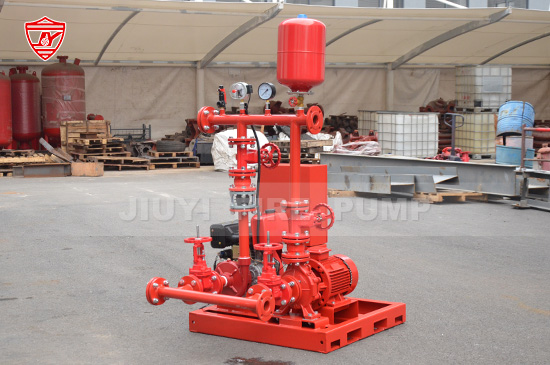
Selecting the right fire pump for your large industrial warehouse is crucial for ensuring the safety of your employees and the protection of your property. Electric fire pumps offer energy efficiency and quieter operation, while diesel fire pumps provide reliability in areas with power instability. Jockey pumps, on the other hand, are essential for maintaining system pressure.
Each fire pump type has its unique advantages and limitations, so the best choice depends on the specific needs of your warehouse. Consider factors like the size of the warehouse, local power availability, and fire risk to determine the most appropriate fire pump solution. By choosing the right pump, you can help ensure that your fire protection system is always ready when you need it most.