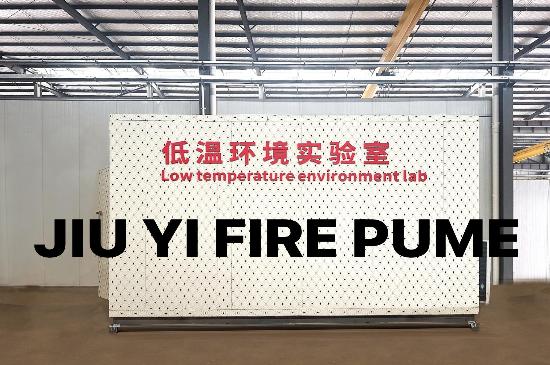
When designing a fire protection system for cold climate regions, proper fire pump sizing is essential to ensure reliable performance during an emergency. Cold weather presents specific challenges that need to be addressed, such as freezing temperatures, snow accumulation, and the need for consistent water flow. The pump’s capacity, type, and installation must be meticulously chosen to handle these harsh environmental conditions.
This guide will walk you through the key factors to consider when sizing fire pumps for cold climate projects, helping you make informed decisions to protect life and property in extreme conditions.
Cold climate conditions introduce a set of unique challenges that must be accounted for in the design and operation of fire pumps. These challenges primarily revolve around the freezing of water, corrosion due to ice, and increased pressure demands on the system. When selecting fire pumps for cold environments, it’s crucial to evaluate factors such as:
Freezing Temperatures: Freezing temperatures can cause water in fire pump systems to freeze, potentially damaging equipment and rendering the system ineffective when needed.
Snow and Ice Accumulation: Snow and ice buildup can obstruct water supply lines or damage components of the fire pump system.
Increased System Pressure: In cold climates, higher pressures are often required to overcome the effects of freezing, ice buildup, and other environmental factors.
Understanding these unique challenges is the first step in ensuring the fire pump you select is capable of handling the extreme conditions.
Several important factors should be considered when sizing fire pumps for cold climate projects:
Water Temperature and Freeze Protection
The temperature of the water source is a critical factor. If the water is at or below freezing point, it will be more challenging to maintain the proper flow. It’s important to size the fire pump based on the temperature of the water it will be pumping, taking into account that lower temperatures increase water viscosity, which can impact flow rate and pump efficiency.
In areas where freezing is common, consider installing a dry-pit fire pump or submersible pumps, which are better suited for cold environments since they are often less vulnerable to freezing. It’s also important to incorporate insulation or heat-tracing systems to prevent water from freezing in the pump lines.
Flow Requirements
Fire flow requirements in cold climates are typically higher than in warmer areas due to the additional resistance from frozen pipes and the increased water pressure needed to overcome ice buildup. The National Fire Protection Association (NFPA) provides guidelines for determining fire flow requirements, which should be adjusted for cold climates to ensure that sufficient water supply is available in the event of a fire.
Be sure to account for the potential need for multiple pump configurations, particularly in larger buildings or facilities, to ensure that the system can meet fire protection requirements. Pumps should be sized to deliver adequate pressure to overcome the challenges posed by low temperatures and ice accumulation.
Pipe Sizing and Pressure Considerations
In cold climates, larger pipes are often required to maintain consistent water flow and overcome the effects of freezing. The fire pump should be sized to handle the pressure demands of a system that may need to push water through longer distances or at higher pressures due to the cold. This can include considering the added pressure that is needed to account for ice accumulation or frozen water lines.
Pump Type Selection
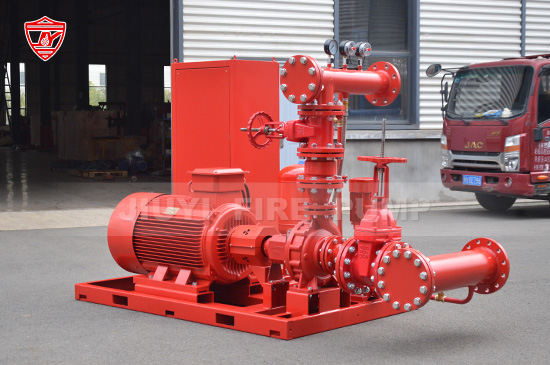
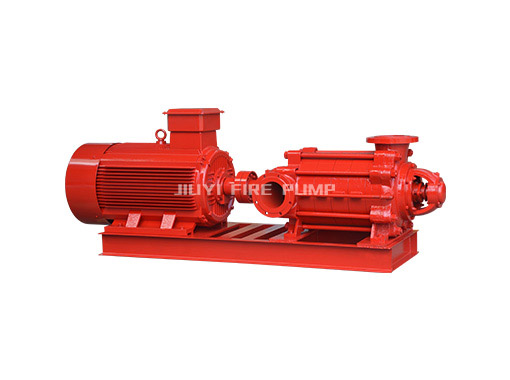
Selecting the right type of fire pump for cold climates is essential for efficient operation. The most common types of fire pumps include electric, diesel engine, and jockey pumps. Each type has different characteristics and considerations for cold climate conditions:
Electric Fire Pumps: In cold climates, electric pumps may require additional insulation or heat trace systems to ensure proper operation. Some electric pumps are designed for colder temperatures, but it’s important to verify their suitability for freezing conditions.
Diesel Engine Fire Pumps: Diesel engine pumps can be particularly effective in cold climates due to their reliability and ability to operate independently of power grids. However, diesel fuel can gel in freezing temperatures, so it is essential to use winter-grade fuel or install fuel heaters.
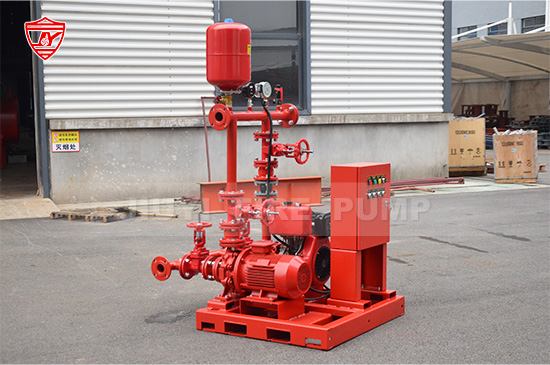
Jockey Pumps: Jockey pumps are small, auxiliary pumps that maintain system pressure. These pumps are essential for cold weather installations to ensure that the fire pump system remains at a constant pressure, particularly when not in use.
Insulation and Heat Tracing
Cold climate projects often require additional measures to prevent freezing, such as insulation and heat tracing. Insulation helps maintain the temperature of the water, while heat tracing ensures that water does not freeze in the pipes, valves, and pump system. These systems can be critical in preventing costly system failures.
The piping system should also be insulated, and all exposed pipes or pump components should be properly shielded from the cold. When installing heat tracing, make sure it’s designed to maintain an adequate temperature, as insufficient heating could still lead to freezing issues.
Winterization of Fire Pump Systems
Proper winterization of the fire pump system is crucial in cold climates. This process includes steps like draining water from the system when it’s not in use, inspecting the system regularly for leaks, and ensuring that all components are functioning properly in cold conditions.
It’s also vital to perform regular maintenance on fire pumps in cold climates. This involves checking that the fire pump’s seals, bearings, and other components are not compromised by ice, snow, or extreme temperature fluctuations. Maintenance schedules should be more frequent during winter months to ensure the system is always ready for an emergency.
Compliance with NFPA Standards
Ensure that the fire pump and system are compliant with local and national fire safety codes, including those outlined by the National Fire Protection Association (NFPA). For cold climates, particular attention should be paid to the recommendations provided in NFPA 20 for the design and installation of fire pump systems in freezing environments. NFPA 25 also provides guidelines for the maintenance and inspection of fire protection systems to ensure that they remain operational in all weather conditions.
Pump Location and Protection
The location of the fire pump can impact its performance in cold climates. Ideally, the pump should be located indoors or in a heated area to prevent freezing. If the pump must be placed outdoors, it’s important to construct a protective enclosure or shelter around it, complete with insulation, to maintain the pump’s temperature.
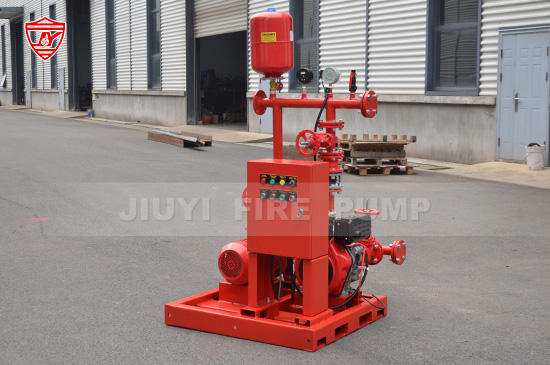
Sizing fire pumps for cold climate projects is a complex but crucial task. Proper pump selection, sizing, and installation ensure that your fire protection system will perform effectively in freezing conditions, providing peace of mind that life and property are protected even during the harshest winters. By carefully considering factors like water temperature, pressure requirements, and pump type, as well as taking steps to prevent freezing, you can ensure reliable fire protection year-round.
Incorporating these strategies into your fire pump design and installation process will help you create a robust, efficient system that meets all safety regulations and performs optimally, even in the most challenging cold climate environments.