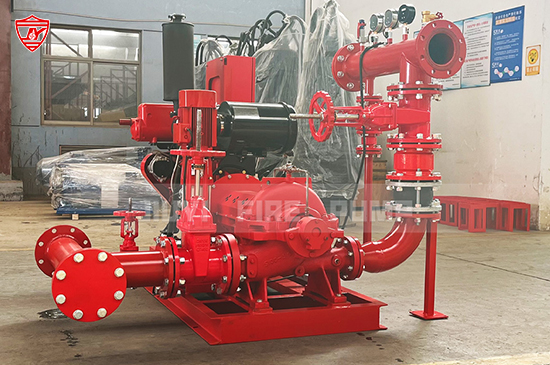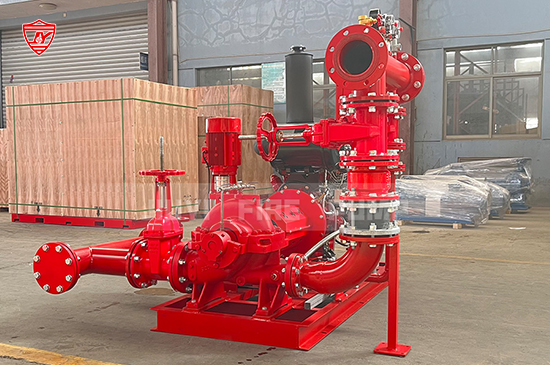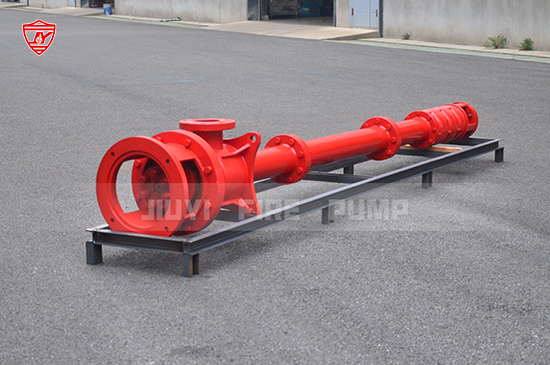
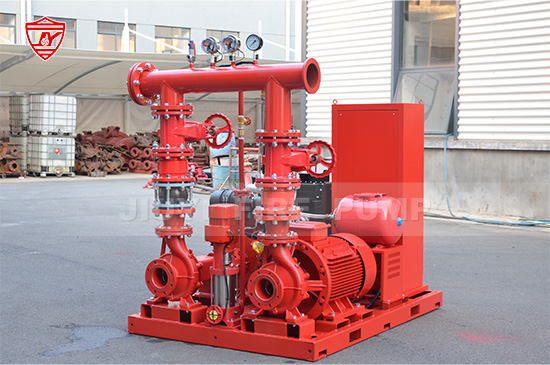
Fire pump cavitation is a serious issue that can drastically affect the efficiency of a fire pump system. As one of the critical components in fire safety, fire pumps are responsible for supplying the necessary water pressure during an emergency. Cavitation, however, can damage the pump’s internal components and compromise its ability to perform under pressure. Understanding the causes of cavitation in fire pumps, along with strategies for preventing it, is essential for maintaining a reliable and efficient fire pump system.
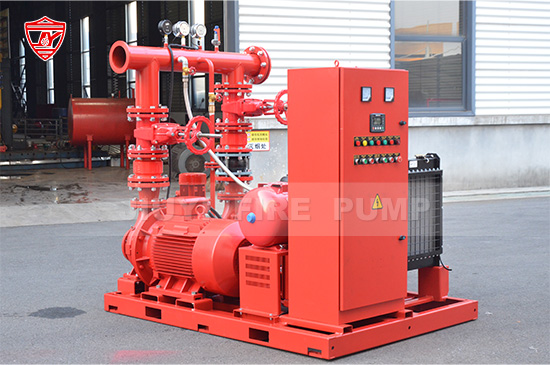
Before delving into the causes, it’s important to understand what cavitation is. Cavitation refers to the formation of vapor bubbles within a pump due to low pressure. These bubbles form when the pressure within the pump falls below the vapor pressure of the fluid being pumped, causing the liquid to vaporize. When these bubbles reach higher pressure areas in the pump, they collapse violently, creating shockwaves. This process can erode metal surfaces, cause vibration, and reduce the pump’s overall performance. Over time, cavitation can lead to significant damage to the pump’s components, including impellers, seals, and bearings.
One of the most common causes of cavitation is low inlet pressure, also known as Net Positive Suction Head Available (NPSHA). Fire pumps require a specific inlet pressure to operate efficiently, and if the pressure falls below the required threshold, cavitation can occur. Inadequate NPSHA can be the result of a variety of factors, including excessive pipe length, poorly designed suction lines, or a blocked strainer. Low inlet pressure reduces the amount of water flowing into the pump, causing a drop in pressure inside the pump and leading to cavitation.
Preventive Measures:
Ensure proper pipe sizing and minimize the length of the suction line.
Regularly clean the pump’s intake strainer to prevent blockages.
Install a pressure gauge to monitor inlet pressure and ensure it remains within safe limits.
Excessive suction lift refers to the vertical distance the pump must draw water from the source. The higher the suction lift, the more difficult it becomes for the fire pump to maintain the required pressure. When the suction lift exceeds the pump’s capacity, the result is a significant reduction in pressure at the pump’s inlet, leading to cavitation.
Preventive Measures:
Minimize the suction lift as much as possible by positioning the pump closer to the water source.
Use a pump that is designed to handle the suction lift required for the specific application.
Running a fire pump at incorrect speeds—either too high or too low—can lead to cavitation. If the pump speed is too high, the velocity of the water passing through the pump may exceed the design specifications, causing a drop in pressure and leading to cavitation. On the other hand, if the pump speed is too low, the pump may not generate enough pressure to keep the flow consistent, also resulting in cavitation.
Preventive Measures:
Ensure the pump operates within the manufacturer’s specified speed range.
Use a variable speed drive if necessary to maintain optimal performance across varying conditions.
Any form of blockage or restriction in the suction line, such as clogged pipes, valves, or strainers, can cause cavitation. Restrictions in the flow path prevent the fire pump from receiving adequate water, which can lead to pressure drops inside the pump. This causes the formation of vapor bubbles, leading to cavitation.
Preventive Measures:
Regularly inspect the suction lines for blockages or signs of wear.
Clean and maintain the intake strainer to prevent debris from entering the system.
The temperature of the water being pumped can also play a significant role in cavitation. Hot water has a lower vapor pressure than cold water, which means it is more prone to vaporization under lower pressure conditions. If the temperature of the water exceeds a certain threshold, cavitation can occur more easily, especially if the pump is already experiencing low inlet pressure.
Preventive Measures:
Monitor the temperature of the water being pumped and ensure it is within the acceptable range for the pump.
Consider using a cooling system if the temperature of the water is higher than recommended for the pump.
Another common cause of cavitation is using a fire pump that is not appropriately sized for the application. An undersized pump will not be able to generate the required flow and pressure, causing a drop in suction pressure and increasing the likelihood of cavitation. Conversely, an oversized pump can cause excessive flow velocities and pressures that lead to cavitation.
Preventive Measures:
Perform a detailed analysis of the fire pump’s requirements before selecting a model.
Consult with professionals to ensure that the pump size matches the specific needs of the system.
Over time, fire pumps can experience wear and tear on their internal components, such as impellers, bearings, and seals. Damaged or worn components can disrupt the flow of water, leading to fluctuations in pressure and creating the ideal conditions for cavitation. Additionally, worn impellers may not effectively move water, further reducing the pump’s performance.
Preventive Measures:
Regularly inspect and maintain the pump components to identify early signs of wear.
Replace worn parts promptly to maintain the pump’s efficiency.
Identifying cavitation early is crucial to preventing extensive damage to the pump system. Here are some common signs of cavitation:
Unusual Noise: Cavitation often produces a distinctive, high-pitched “gravel” or “marbles” noise, which is a sign of vapor bubbles collapsing inside the pump.
Vibration: The violent collapse of vapor bubbles can cause significant vibrations in the pump. If you notice unusual vibrations, it could indicate cavitation.
Reduced Pump Efficiency: If the fire pump is not delivering the expected flow and pressure, it may be suffering from cavitation.
Visible Damage: In some cases, cavitation may cause visible damage to the pump’s impeller or other components. This damage may appear as pitting or erosion on the metal surfaces.
To avoid the costly damage caused by cavitation, it is essential to implement preventive measures. Here are a few best practices to follow:
Proper Sizing: Ensure that the fire pump is correctly sized for the specific requirements of the fire protection system.
Monitor System Parameters: Regularly check key parameters like pressure, flow, and temperature to detect any potential issues before they lead to cavitation.
Routine Maintenance: Conduct regular maintenance on the fire pump and its components to ensure they are in good working condition. This includes cleaning the intake, inspecting the impeller, and replacing worn parts.
Installation Best Practices: Follow best practices for installing the fire pump, including minimizing suction lift and ensuring proper pipe sizing.
Cavitation is a serious issue that can compromise the performance and lifespan of a fire pump. By understanding the common causes of cavitation—such as low inlet pressure, excessive suction lift, and incorrect pump speed—fire safety professionals can take proactive steps to prevent this issue. Regular maintenance, proper sizing, and monitoring system parameters are all essential in keeping fire pumps running efficiently. With the right precautions in place, you can avoid cavitation and ensure your fire pump performs optimally when it’s needed most.