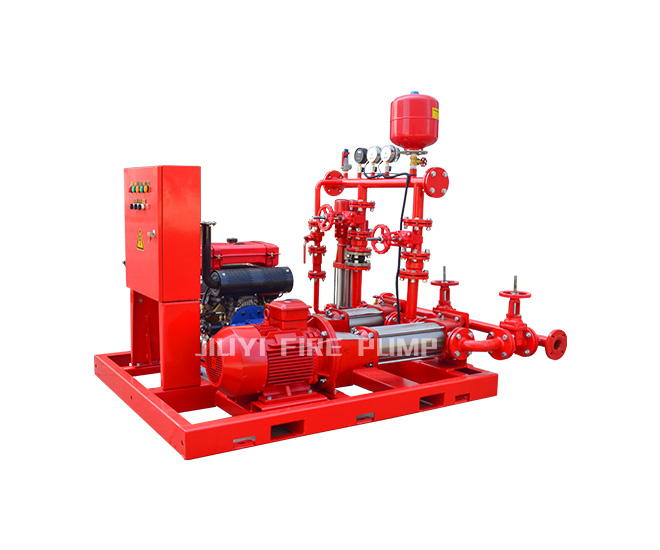
Fire pumps are crucial to ensuring the safety and functionality of fire protection systems. However, they are susceptible to vibration issues that can affect their performance and longevity. Excessive vibration in a fire pump can lead to mechanical failure, decreased efficiency, and costly repairs. In this article, we will explore how to diagnose and fix fire pump vibration problems to maintain the smooth operation of your fire pump system.
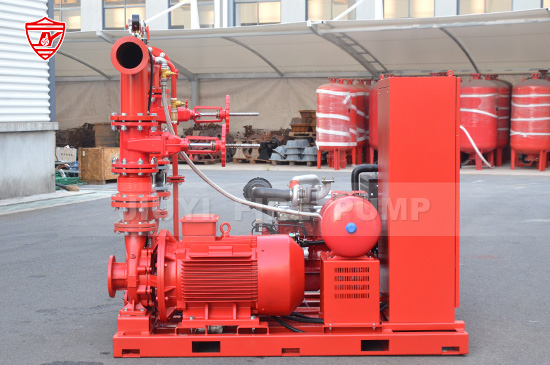
Vibration in a fire pump system is typically caused by one or more mechanical, hydraulic, or structural factors. The most common causes include:
Imbalance of Rotating Components
An imbalance in the rotating components, such as the pump impeller, motor rotor, or shaft, can lead to excessive vibration. This is one of the most common causes of pump vibration. Even slight deviations from the centerline can cause imbalance and subsequent vibrations.
Misalignment
Misalignment between the pump and motor shaft is another frequent culprit. Misaligned shafts create friction, which leads to additional load and stress on the bearings, causing unwanted vibration. This issue can worsen over time if not addressed.
Worn or Damaged Bearings
Bearings are essential for reducing friction between moving parts. Over time, bearings can wear out, leading to increased resistance and vibration. Worn bearings are often a primary cause of mechanical vibration in fire pump systems.
Cavitation
Cavitation occurs when there is insufficient pressure at the pump inlet, causing the formation of vapor bubbles. When these bubbles collapse, they create intense shock waves, which generate vibrations that can damage pump components and reduce performance.
Hydraulic Issues
Poor flow conditions, such as excessive or insufficient flow, can cause hydraulic vibrations. Issues such as pipe clogging, incorrect valve settings, or restricted flow can create irregular forces on the pump, resulting in vibrations.
Improper Installation
If the pump is not installed correctly or there is a lack of support for the foundation, it can lead to vibration problems. The pump must be installed according to manufacturer specifications, with the proper alignment and vibration isolation.
Structural Resonance
Structural resonance occurs when the pump operates at a frequency that coincides with the natural frequency of the pump housing or other supporting structures. This can amplify the vibrations, causing significant problems in the system.
Corrosion or Deposits on Components
Corrosion or debris buildup on key components such as impellers, shafts, or bearings can create uneven surfaces. These irregularities can cause friction, resulting in vibrations.
Diagnosing the source of vibration is the first step in resolving the issue. Below are some effective diagnostic techniques:
Begin with a thorough visual inspection of the fire pump. Check for any obvious signs of wear, misalignment, corrosion, or damaged components. Pay particular attention to rotating parts such as the impeller and shaft.
Vibration analysis is one of the most effective methods for diagnosing vibration issues. Using a vibration analyzer or sensor, measure the vibration levels at different points of the pump system, including the motor, bearings, and shaft. Compare the readings with the manufacturer’s acceptable vibration limits.
There are several types of vibration measurements to consider:
Overall vibration amplitude: The total magnitude of vibration.
Frequency spectrum analysis: Identifies the frequencies at which vibrations occur, helping to pinpoint specific problems like imbalance or misalignment.
Phase analysis: Used to detect misalignment between rotating parts.
Overheating components can often lead to increased vibrations. Use temperature sensors to monitor critical components such as bearings and the motor. Excessive heat can indicate friction due to misalignment or worn parts.
Look for symptoms of cavitation, such as a loud noise or fluctuating pump performance. Cavitation can be detected by observing changes in pump flow and pressure, as well as inspecting the condition of the pump components for pitting or erosion.
Use a laser alignment tool to verify the alignment of the motor and pump shafts. Misalignment often leads to vibration, and fixing this issue can significantly reduce the problem.
Analyze the performance of the pump under different operating conditions. Look for any significant changes in flow, pressure, or power consumption that could indicate a vibration-related problem.
Once the source of the vibration problem is diagnosed, it's time to implement corrective measures. Below are some effective methods to address the most common causes of fire pump vibration.
If imbalance is found to be the issue, balancing the rotating components is essential. This involves adding or removing weight to achieve proper balance. You can use dynamic balancing machines or manually balance components based on vibration data.
If misalignment is detected, re-align the motor and pump shafts. This may require adjusting the position of the pump or motor base, shimming, or repositioning the mounting brackets. Proper alignment will minimize friction, reducing vibration and extending the lifespan of the pump.
If vibration is caused by worn bearings, they must be replaced. Bearings should be inspected regularly and replaced as part of a proactive maintenance schedule. Ensure that the bearings used are of high quality and appropriate for the pump’s operating conditions.
To fix cavitation, address the underlying cause, such as insufficient inlet pressure, high temperatures, or blocked intake. You may need to adjust pump speed, change impeller design, or install a suction strainer to eliminate air bubbles in the system.
Check for any flow restrictions or irregularities in the hydraulic system. This may involve cleaning or replacing filters, adjusting valve settings, or clearing any blockages in the pipework.
To reduce the transmission of vibration to the surrounding structure, consider installing vibration isolators or dampeners. This can prevent structural resonance and reduce the impact of vibrations on other components.
Ensure that the foundation and structural components of the pump system are secure and well-supported. If structural resonance is an issue, consider installing isolation mounts or reinforcing the structure to prevent the pump from vibrating at its resonant frequency.
Implement a regular maintenance schedule to monitor vibration levels and inspect components. Proactive maintenance can prevent most vibration issues from occurring in the first place. Additionally, ensure that vibration monitoring systems are in place to detect any abnormal vibration patterns early on.
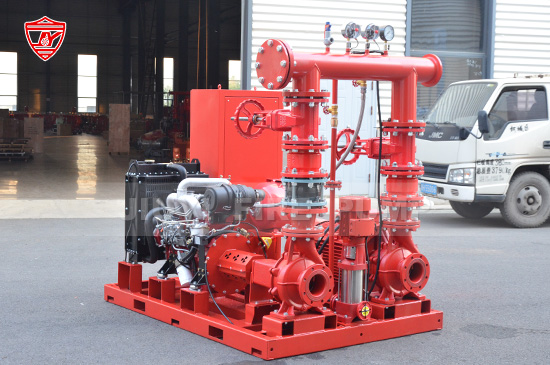
Fire pump vibration problems can significantly affect the reliability and efficiency of your fire protection system. Identifying and fixing the root cause of vibration is essential to ensure optimal performance and to avoid costly repairs. By following the diagnostic steps outlined in this article, you can accurately identify the cause of the vibration and take the necessary corrective actions.
Remember, regular maintenance, proper installation, and timely intervention are the keys to preventing fire pump vibration problems. By addressing issues as soon as they arise, you can extend the life of your fire pump, enhance its reliability, and ensure that your fire protection system is always ready when needed.
.jpg)