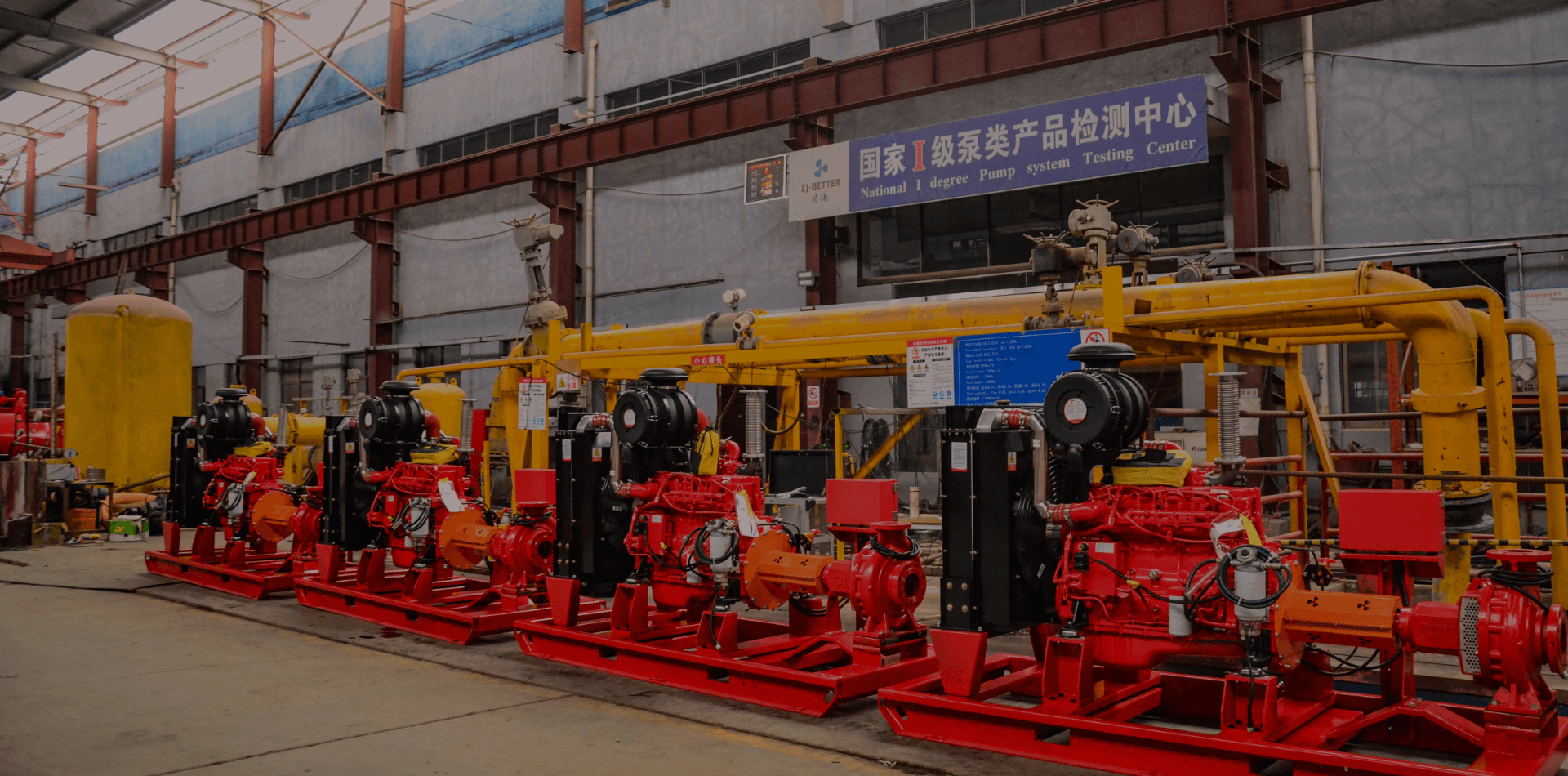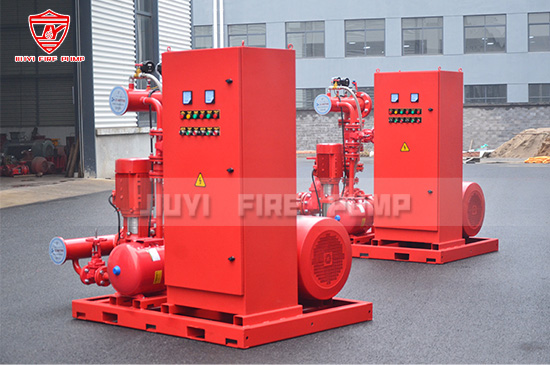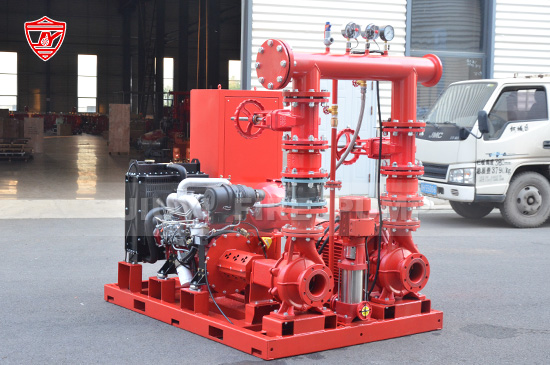
When it comes to fire pump controllers, the electrical protection devices incorporated into the system play a pivotal role in ensuring both the safety and efficiency of fire protection systems. These controllers are responsible for activating fire pumps, which are vital components in suppressing fires in buildings, industrial facilities, and other critical infrastructure.
A well-designed fire pump controller protects the entire system from electrical faults, ensuring that the pump operates reliably in emergency situations. Electrical protection devices are integral in safeguarding the fire pump’s motor, preventing damage, and ensuring compliance with local fire safety codes and standards, such as NFPA 20 (National Fire Protection Association) or UL (Underwriters Laboratories) certification.
In this article, we will explore the key electrical protection devices necessary for fire pump controllers and discuss their functions, importance, and compliance with relevant safety standards.
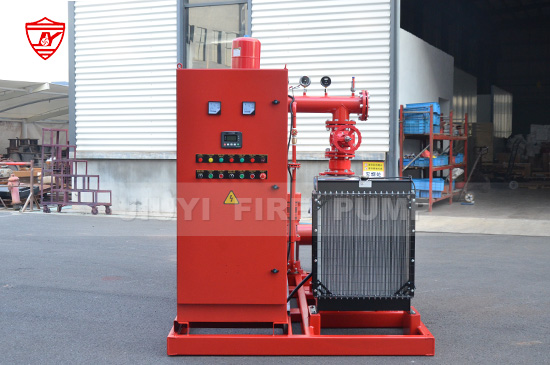
Overload protection is one of the primary electrical protection devices used in fire pump controllers. It is designed to prevent the motor from operating at current levels that exceed its rated capacity, thereby preventing overheating, insulation damage, or potential motor failure. Overloads can be caused by sudden increases in resistance, blocked impellers, or other mechanical failures within the pump.
Fire pump controllers use overload relays to monitor the motor’s current. When the current exceeds preset limits for a prolonged period, the overload relay disconnects the power supply to the pump motor, thus preventing severe damage. The system should be equipped with an adjustable overload setting to accommodate various motor sizes and conditions.
Importance:
Prevents motor overheating and subsequent damage.
Ensures safe and continuous operation of the pump.
Complies with NFPA 20 standards for protection against overcurrent.
Short-circuit protection devices are crucial in safeguarding the fire pump controller and associated wiring from potential short-circuit faults. A short circuit occurs when there is an unintended connection between two electrical conductors, which could lead to excessive current flow and possibly result in fire or equipment damage.
Circuit breakers or fuses are typically used for short-circuit protection in fire pump systems. The fire pump controller must be designed to disconnect power quickly and safely in the event of a short circuit. The protection device should be appropriately rated for the motor and the specific circuit configuration to ensure proper operation.
Importance:
Protects the wiring and fire pump controller from electrical fires.
Prevents further damage to the electrical infrastructure.
Meets safety standards for fire safety systems.
Ground faults occur when an electrical current unintentionally flows to the ground or earth, potentially creating a hazardous situation. Ground fault protection devices detect this type of fault and interrupt the circuit, preventing potential damage to equipment and reducing the risk of electrical shock.
In fire pump controllers, ground fault protection is typically provided by residual current devices (RCDs) or ground fault circuit interrupters (GFCIs). These devices monitor the flow of electricity between conductors and trip the circuit if an imbalance is detected, ensuring the system remains safe during a fault.
Importance:
Detects electrical leakage and prevents electric shock.
Helps ensure the fire pump system operates safely in hazardous environments.
Complies with NFPA and UL safety standards.
For three-phase motors used in fire pump systems, phase loss or phase reversal can disrupt the motor’s operation, leading to pump failure or damage. Phase loss occurs when one phase of the motor’s electrical supply is lost, while phase reversal occurs when the phases are connected in the wrong order, affecting the direction of the motor’s rotation.
Phase loss and phase reversal protection devices are designed to monitor the phase sequence and ensure that the motor operates under normal conditions. If an issue is detected, these devices disconnect the power to the pump motor, preventing damage.
Importance:
Prevents motor damage due to incorrect phase sequencing or phase loss.
Ensures proper motor rotation and system reliability.
Complies with NFPA 20 and UL requirements for motor protection.
Under-voltage protection ensures that the fire pump motor does not operate under low voltage conditions, which can cause it to malfunction or fail. Low voltage can occur due to various issues, such as faulty power supplies or overloaded circuits.
Fire pump controllers typically incorporate under-voltage relays that detect when the voltage falls below a specified level. If this happens, the relay disconnects the motor, preventing it from attempting to operate under unsuitable conditions, which could result in motor failure or other complications.
Importance:
Protects the motor from potential damage caused by insufficient voltage.
Ensures the fire pump operates only under proper voltage conditions.
Meets the requirements set forth in fire protection standards.
Over-voltage protection is necessary to safeguard the fire pump motor from electrical surges or spikes, which could result from lightning strikes, power grid fluctuations, or equipment malfunction. Excessive voltage can cause insulation breakdown, overheating, or even permanent motor damage.
Surge protection devices, such as metal-oxide varistors (MOVs) or surge arresters, are used to absorb the excess voltage and protect sensitive components of the fire pump controller from damage. These devices act as a buffer, allowing the system to function safely even in the event of a sudden voltage spike.
Importance:
Shields the fire pump system from damaging electrical surges.
Enhances the longevity and reliability of the pump motor.
Complies with NFPA 20 and UL standards for surge protection.
Over-current protection devices safeguard the fire pump’s electrical circuits from excessive current flow that could lead to overheating, fires, or equipment failure. These devices work by detecting when the current exceeds a predetermined limit and immediately disconnecting the power supply.
Circuit breakers or fuses are commonly used for over-current protection. They are calibrated to trip when the current exceeds a safe threshold, preventing damage to both the motor and wiring. The fire pump controller must be designed to handle the specific characteristics of the pump and motor.
Importance:
Prevents the electrical system from overloading and causing damage.
Enhances the safety and reliability of the fire pump.
Meets national and international fire protection standards.
Fire pump controllers are often equipped with manual or automatic reset functions, which allow the system to resume normal operation after a fault condition has been cleared. Manual resets require an operator to reset the system after a fault, whereas automatic resets do so without manual intervention.
While the automatic reset feature provides convenience, it is crucial to ensure that the fault causing the system shutdown has been properly resolved before resetting the system. A faulty reset could lead to further damage or system malfunction.
Importance:
Allows for quick recovery of the system after fault resolution.
Prevents unnecessary downtime during fire emergencies.
Enhances system reliability and compliance with safety standards.
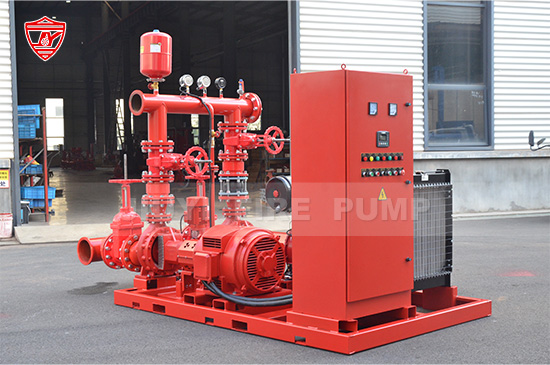
In fire protection systems, fire pump controllers are essential for activating and controlling the operation of fire pumps. To ensure their reliable operation, several electrical protection devices are necessary. These devices, including overload protection, short-circuit protection, ground fault protection, and others, safeguard the system from electrical faults, reduce the risk of damage to the fire pump motor, and ensure compliance with fire safety standards.