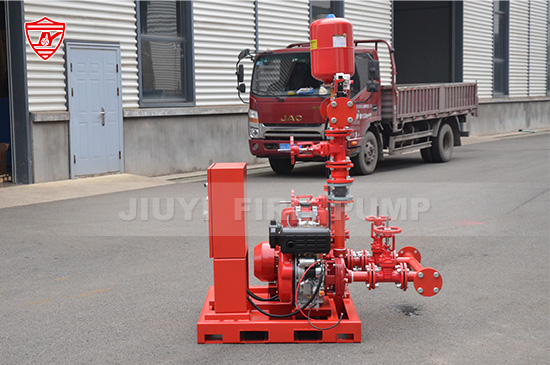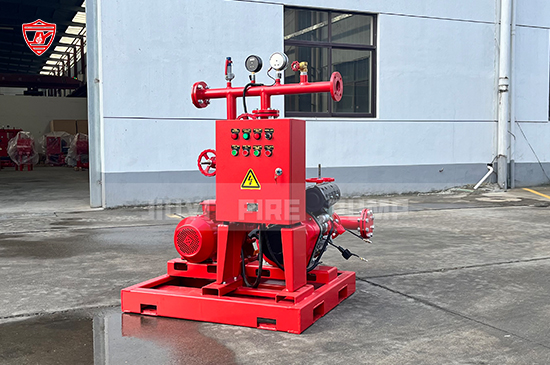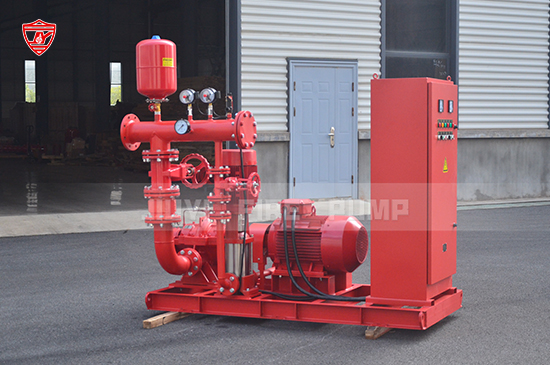
Fire pumps are critical components in fire protection systems, providing the necessary water pressure for fire suppression. As such, their performance can be a matter of life and death in an emergency. However, to ensure that fire pumps operate optimally when needed, regular testing is essential. Fire pump systems are designed to handle extreme pressure and performance demands, making their upkeep a priority for fire safety professionals. In this article, we’ll delve into why regular fire pump testing is necessary and the key benefits of incorporating a proactive testing schedule.
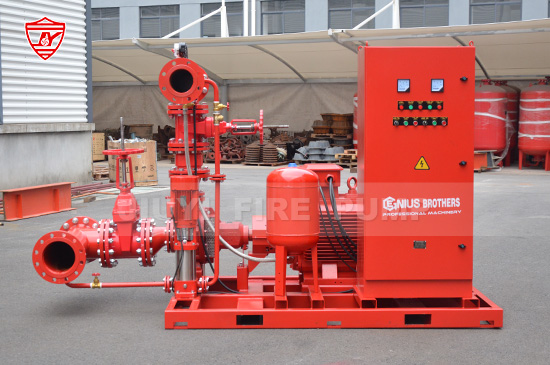
Fire pumps are often required to function under high-pressure conditions in emergencies, supplying water to extinguish fires. However, like any mechanical system, fire pumps are subject to wear and tear. Parts such as seals, bearings, valves, and electrical components may degrade over time. Without regular testing, these issues may go unnoticed until an emergency strikes. Routine testing helps identify any malfunctioning or deteriorating parts, ensuring that the system is in optimal working condition.
By conducting regular checks, fire safety professionals can replace worn-out components before they fail, ensuring the fire pump will operate as expected when it matters the most. Whether it’s testing the motor, ensuring correct water pressure, or checking the entire system’s response time, regular testing guarantees that the fire pump is ready to perform at its peak in an emergency situation.
Fire safety standards and regulations require that fire pumps undergo regular testing to maintain compliance. The National Fire Protection Association (NFPA) outlines these requirements, with NFPA 20 being the key standard for fire pump systems. According to NFPA 20, fire pumps must be tested annually, and the testing includes checking the pump’s performance, pressure, and flow rate.
Failure to comply with these regulations could result in legal penalties, insurance issues, and compromised safety. Regular testing is not just a good practice but also a legal necessity for building owners, fire safety officers, and maintenance professionals. Ensuring that the fire pump is tested and certified according to these standards provides peace of mind that the system will function properly in the event of a fire.
Testing fire pumps regularly can help detect minor issues before they turn into expensive problems. Without proactive maintenance, a small fault could escalate into a system failure, leading to costly repairs and unexpected downtime. Regularly running diagnostics on the fire pump can identify issues like:
Corroded or clogged pipes
Leaks or pressure loss
Faulty control panels
Defective pump seals
Addressing these issues early can save time and money by avoiding emergency repairs and ensuring that the fire pump remains in top working condition. A proactive testing routine also reduces the risk of equipment failure during peak demand, when every second counts in a fire emergency.
A fire pump that hasn’t been tested for a while may not operate as efficiently as it should. The longer a fire pump goes without testing, the greater the likelihood of reduced efficiency. Testing provides the necessary insights to optimize performance, including checking water pressure and ensuring that the pump is operating within the recommended range. By regularly testing the system’s components, maintenance crews can fine-tune the pump’s operation, ensuring maximum efficiency and ensuring that the fire pump can handle a large volume of water when needed.
An inefficient pump can result in water pressure and flow issues, which may prevent the system from adequately suppressing fires. Routine testing ensures that the fire pump will be able to meet the required specifications when it is called into action.
Fire pump systems can change over time due to a variety of factors such as installation of new components, upgrades, or environmental changes. Routine testing allows fire safety professionals to monitor these changes and adjust the system as necessary to meet fire protection standards. For example, changes in the building structure, occupancy, or fire hazard classification can impact the fire pump’s performance needs.
By regularly testing the system, it becomes easier to monitor how well the fire pump adapts to these changes. The testing results can help fire safety experts identify necessary adjustments to the pump, making sure that it continues to meet evolving safety requirements.
A fire pump relies on a consistent and reliable water supply to function correctly. Over time, the water supply system could face changes or contamination that impact the fire pump’s performance. Regular testing helps verify the integrity of the water source, including:
Ensuring water availability
Verifying proper pressure levels
Detecting potential contamination issues
Testing also includes verifying that the fire pump’s intake valves and pipes are clear of debris and obstructions. These checks help ensure that the fire pump can deliver water efficiently in case of an emergency, ensuring that firefighters have the resources they need to do their job effectively.
Testing fire pumps regularly contributes to a fire safety culture within a building or facility. By adhering to a strict testing schedule, fire safety officers and facility managers demonstrate their commitment to safety, not just during emergencies but on a day-to-day basis. This proactive approach ensures that all systems are ready for deployment at a moment’s notice.
Regular fire pump testing also helps personnel become familiar with the system’s operations. This training can be invaluable during an emergency, as individuals who are familiar with the system can troubleshoot problems more quickly and efficiently. Moreover, consistent testing ensures that any necessary adjustments or repairs are made well before a fire emergency.
Fire pumps are tested under different operational conditions, including cold, hot, and fluctuating environmental circumstances. It’s important that the fire pump be able to perform in a wide range of scenarios. Regular testing helps ensure that the system is versatile and capable of handling these different conditions, including pressure variations or water temperature extremes.
Routine checks under simulated emergency conditions ensure that the system can withstand these scenarios without compromising on performance. Fire pumps that are tested regularly are far more likely to be reliable in a real emergency.
Routine testing doesn’t just identify immediate issues—it can also extend the lifespan of the fire pump. Fire pumps that are properly maintained through consistent testing are less likely to experience premature failure. Proper maintenance ensures that all parts, from the motor to the bearings and valves, remain in optimal working condition. This can help prevent breakdowns and delays in repairs, ensuring that the pump continues to function reliably for many years.
By staying on top of regular maintenance and testing, facilities can increase the return on investment for their fire pump systems, getting more years of use before needing significant repairs or replacement.
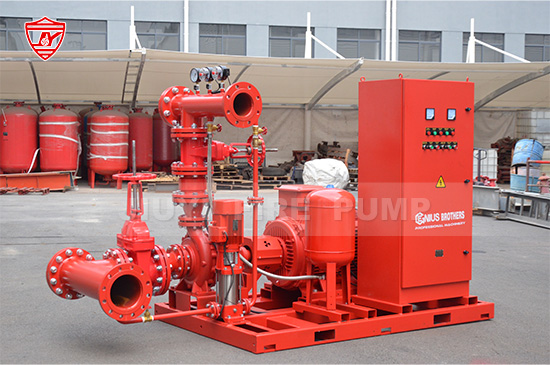
Regular testing of fire pumps is not just an option; it’s a critical component of fire safety. Whether it’s ensuring operational reliability, complying with regulations, preventing costly repairs, or improving efficiency, the benefits of regular fire pump testing are undeniable. By adopting a proactive approach to testing and maintenance, building owners and fire safety professionals can ensure that their fire pump systems are ready when the situation demands it most.