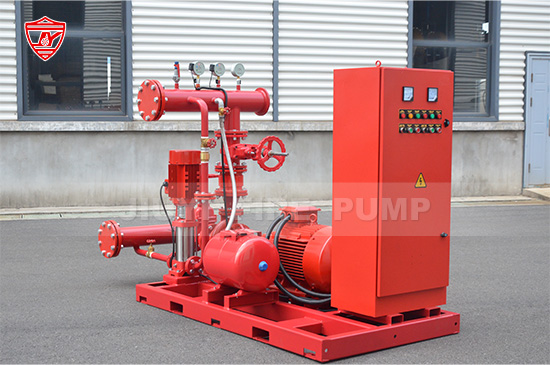
Fire pumps are critical to any fire protection system. They provide the necessary pressure and flow of water to fight fires in commercial, industrial, and residential buildings. Proper maintenance is essential to ensure that these systems perform reliably in an emergency. However, one of the most common mistakes made by fire pump owners and maintenance personnel can lead to system failure at the worst possible time.
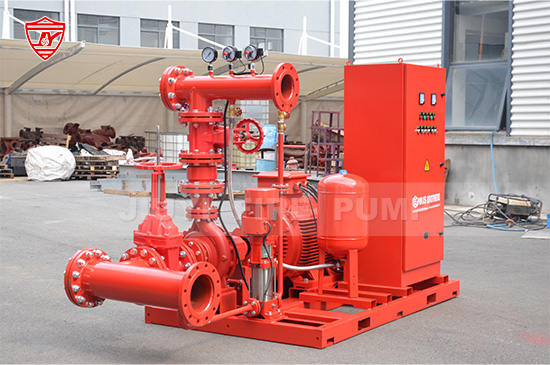
In this article, we’ll dive into the most frequent maintenance mistake made with fire pumps and explain how to avoid it. We’ll also explore the consequences of neglecting proper maintenance, tips for ensuring your fire pump is always ready to perform, and best practices for fire pump upkeep.
Before we discuss the common maintenance mistake, it’s important to understand why fire pump maintenance is so crucial. Fire pumps are essential for providing water flow and pressure during emergencies, ensuring firefighters can quickly suppress flames and save lives. They are designed to operate under high stress during critical times, making their performance and reliability non-negotiable.
Like any piece of mechanical equipment, fire pumps require regular maintenance to operate efficiently. Ensuring that a fire pump is fully functional when needed can prevent catastrophic damage and even save lives.
While there are various potential maintenance issues, the most common and overlooked mistake is failing to conduct regular testing and inspection of fire pumps. Regular checks are crucial to make sure that the pump’s performance aligns with its design and operational specifications.
Many fire pump owners or maintenance teams make the mistake of thinking that once a pump is installed and functioning, it will continue to work indefinitely without much intervention. However, this is far from the truth. Fire pumps, like all mechanical systems, require routine checks to ensure they remain in peak condition.
Testing and inspection allow you to spot potential issues before they become significant problems. The National Fire Protection Association (NFPA) 25, the standard for the inspection, testing, and maintenance of water-based fire protection systems, recommends regular testing and inspection of fire pumps.
Without this vital step, several issues can go unnoticed, including:
Worn-out parts: Components like bearings, seals, and valves can degrade over time. Testing can help identify parts that need replacement before they fail.
Pressure loss: If the pump doesn’t maintain the correct pressure, it might not deliver enough water to suppress a fire effectively.
Contamination or clogging: Debris or contaminants in the water supply can block the pump’s intake or damage internal components.
Leaks: Leaking seals or hoses can compromise the pump’s ability to build the necessary pressure.
To avoid neglecting testing and inspection, here are some practical steps you can take:
Implement a Preventive Maintenance Program: A scheduled program will help ensure that all tests, inspections, and maintenance tasks are completed on time. This should include monthly, quarterly, and annual inspections as per NFPA guidelines.
Work with Qualified Technicians: While it’s tempting to attempt DIY repairs or inspections, fire pumps require specialized knowledge. Always work with certified professionals who have experience with fire pump systems.
Keep Detailed Records: Maintain a comprehensive log of all maintenance activities, inspections, and repairs. This will not only help track the performance of the fire pump but also provide a reference if problems arise.
Perform Functional Tests Regularly: Ensure that the fire pump is tested under load to simulate real-life conditions. This is essential to verify that the pump will operate as expected in an emergency.
Check Water Supply and Pressure: Regularly verify that the water supply is not obstructed and that the fire pump can maintain the required pressure.
Replace Worn Parts Immediately: Even minor wear on key components like seals, bearings, or check valves can impact pump efficiency. Addressing these issues proactively can prevent more significant failures.
Failing to perform regular testing and maintenance can have serious consequences:
System Failure in an Emergency: If the fire pump doesn’t work when needed, it could delay fire response times, leading to greater property damage, injury, or even loss of life.
Increased Repair Costs: Minor issues that could have been resolved during regular inspections might grow into costly repairs or even require a complete replacement of the fire pump.
Compliance Issues: Many jurisdictions require fire pump systems to meet specific standards and regulations. Failing to keep up with maintenance could lead to fines or legal issues if the pump is found to be non-compliant.
Insurance Implications: In some cases, neglecting fire pump maintenance can affect your insurance coverage. If an incident occurs and the pump was found to be improperly maintained, insurers may refuse to cover the damages.
In addition to failing to conduct regular testing and inspection, here are some other common fire pump maintenance mistakes:
Ignoring Manufacturer Recommendations: Every fire pump model comes with a manufacturer’s manual that includes specific maintenance requirements. Failing to follow these guidelines can void warranties or lead to unnecessary damage.
Overlooking the Jockey Pump: Jockey pumps help maintain system pressure and are often overlooked in maintenance routines. Ensure that the jockey pump is regularly tested to prevent the fire pump from activating unnecessarily.
Failure to Test the Pump’s Alarm System: The alarm system is just as vital as the pump itself. Regularly test the system to ensure it will alert you when the pump is not operating correctly.
Not Training Personnel: The people responsible for fire pump maintenance need proper training. Without this, they may miss issues that are obvious to a trained technician.
Neglecting Seasonal Maintenance: Fire pumps, especially in colder climates, may require additional care to avoid freezing. Regularly inspect and maintain systems to ensure they are ready for all seasons.
To ensure that your fire pump operates smoothly for years to come, follow these best practices:
Routine Inspections: Implement regular checks, as outlined by NFPA standards, and look for wear, leaks, or other signs of potential failure.
Proper Lubrication: Ensure that the pump’s moving parts are properly lubricated to prevent excessive wear.
Monitoring System Performance: Keep an eye on the system’s pressure, flow, and power consumption to catch any abnormalities.
Cleaning and Debris Removal: Regularly clean the pump and its components to avoid damage caused by dirt, dust, or debris.
Early Detection Systems: Consider installing sensors that detect irregularities in the system, such as low water pressure or component wear. These systems can alert you to potential issues before they cause a failure.
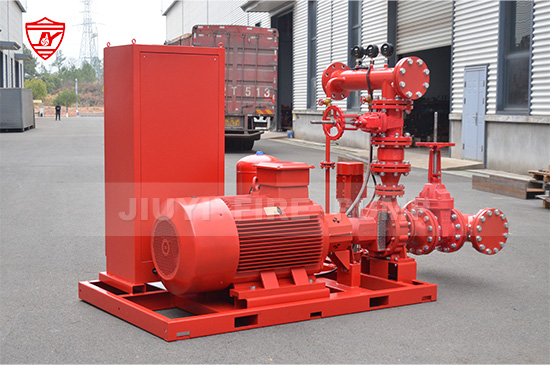
Maintaining a fire pump system is an ongoing task that requires attention to detail. The most common mistake—neglecting regular testing and inspection—can have serious consequences in an emergency. By establishing a preventive maintenance routine, working with qualified technicians, and paying attention to manufacturer recommendations, you can ensure that your fire pump will function as expected when it’s needed most.
Avoiding these common mistakes and following best practices will help ensure the reliability of your fire pump system, providing peace of mind knowing that you’re prepared for any fire emergency.
.jpg)