
Diesel engines play a crucial role in fire pumps, providing the reliability and performance necessary for firefighting systems. However, the efficiency of these pumps relies heavily on the quality of the diesel fuel used. Poor-quality fuel can lead to a range of issues, including engine malfunction, poor combustion, and potential failure during critical moments. Therefore, understanding and adhering to diesel fuel quality standards is essential for ensuring the reliable operation of fire pumps.
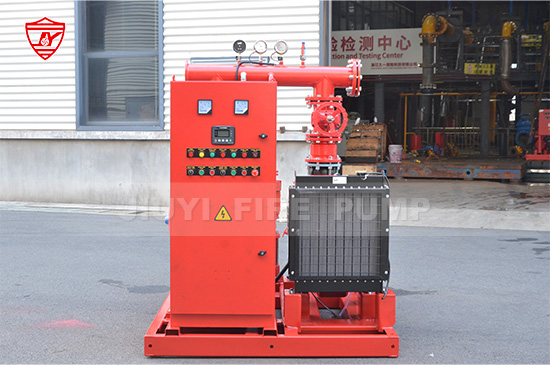
Fuel quality directly affects the performance and longevity of fire pumps. Since fire pumps are used in emergency situations where reliability is paramount, the quality of diesel fuel should never be compromised. Low-quality fuel can lead to clogged fuel injectors, reduced engine efficiency, and, in the worst-case scenario, pump failure when it’s needed most.
Fire pump diesel engines are designed to operate under extreme conditions, so using fuel that meets the appropriate standards ensures that the engine runs smoothly and efficiently, even in high-pressure firefighting situations.
Several contaminants can affect diesel fuel quality, including:
Water: Water in diesel fuel can lead to corrosion of engine parts, poor combustion, and even microbial growth. It can also cause rust in fuel injectors and other critical components of the engine.
Particulate Matter: Small particles like dust, dirt, and metal fragments can enter the fuel and clog filters or damage injectors, leading to poor engine performance.
Microbial Growth: Diesel fuel can harbor bacteria and fungi, especially if there’s water present. This microbial growth can lead to the formation of sludge, which can block fuel filters and cause damage to the engine.
Sulfurs and Additives: High sulfur content in diesel can create harmful emissions and contribute to corrosion. Diesel fuel additives may also interfere with the functioning of certain engine components if not used correctly.
To ensure that fire pumps receive the best fuel quality, you should follow recognized diesel fuel quality standards. These standards help ensure that the fuel is free from contaminants and has the correct chemical properties to keep the engine running smoothly.
One of the most widely recognized standards for diesel fuel is ASTM D975. This specification defines the quality parameters for diesel fuel oils, including both regular diesel and low sulfur diesel fuels. The standard provides guidelines on several critical properties, such as:
Cetane Number: This measures the fuel's ability to ignite under compression. A higher cetane number means better combustion and smoother engine performance.
Sulfur Content: Low-sulfur diesel is crucial to reduce emissions and prevent damage to engine components.
Water Content: This specifies the allowable level of water in diesel fuel. ASTM D975 aims to limit water content to less than 0.05% to ensure efficient combustion and prevent corrosion.
Particulate Matter: This standard outlines the maximum allowable levels of particulate matter in diesel, which helps protect the engine from clogging and wear.
The ISO 4406 standard measures the cleanliness of diesel fuel by defining acceptable levels of particulate contamination. This cleanliness is vital for ensuring that fuel does not damage the fuel injectors or other engine components. For fire pumps, maintaining a clean fuel supply is critical to avoid clogging and reduce the need for frequent maintenance.
EN 590 is the European standard for diesel fuel quality. It is widely used in European countries and defines the fuel's properties, including its sulfur content, energy content, and cold weather performance. EN 590 specifies a maximum sulfur content of 10 ppm (parts per million), which helps reduce the environmental impact of diesel engines. Although this standard is more common in Europe, it’s still valuable for fire pump manufacturers and operators to be aware of it.
In addition to fuel-specific standards, fire pump manufacturers must also comply with the broader guidelines from organizations like the National Fire Protection Association (NFPA). NFPA 20 sets out the requirements for fire pump installations, including guidelines for fuel systems.
While NFPA 20 doesn’t specifically address fuel quality, it requires fire pump systems to be tested regularly to ensure proper function. Therefore, using high-quality diesel fuel is a key part of meeting these testing standards and ensuring the pump works efficiently when needed.
Regular fuel quality testing is essential to ensure that the diesel used in fire pumps is free from contaminants. Several methods can be used to test diesel fuel quality:
Visual Inspection: Look for signs of contamination such as cloudiness, water droplets, or foreign particles.
Water Detection Kits: These kits help identify the presence of water in the fuel, which could be harmful to the engine.
Cetane Testing: Checking the cetane number ensures the fuel is suitable for use in diesel engines. A cetane number below the required standard can result in poor combustion and inefficient engine performance.
Filter Analysis: Checking fuel filters for debris and microbial growth can help detect issues before they cause significant damage to the engine.
Proper storage, handling, and treatment of diesel fuel are essential for maintaining its quality. Here are some steps to take:
Diesel fuel should be stored in clean, sealed containers to minimize exposure to moisture and contaminants. Fuel tanks should be regularly inspected for rust or corrosion, which can affect the quality of the diesel.
Installing high-quality fuel filters can help prevent particulates and water from reaching the engine. Regular filter replacement ensures that the engine continues to run smoothly and efficiently.
Using fuel additives or conditioners can help maintain fuel quality, especially in colder weather. These additives can improve fuel stability, reduce the risk of microbial growth, and prevent gelling during cold temperatures.
Regular fuel testing ensures that the fuel meets the required quality standards. It’s also essential to monitor the fuel supply for any changes in quality, especially if the fire pump has been in storage for an extended period.
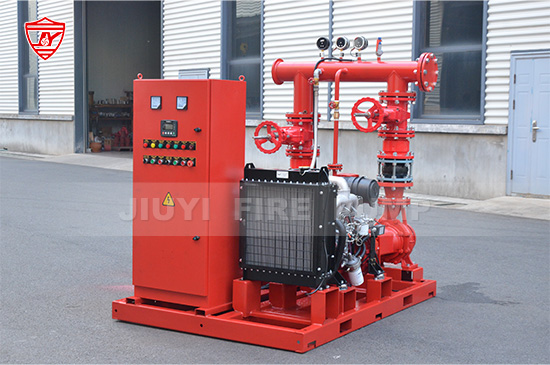
Ensuring that your fire pump is running on high-quality diesel fuel is essential for performance and safety. By adhering to industry standards such as ASTM D975, ISO 4406, and EN 590, you can guarantee that the diesel used in your fire pump system is clean and efficient. Regular testing, proper storage, and the use of additives will help maintain fuel quality and keep your fire pump in top working condition.
Fire pump operators must take the necessary steps to ensure that the fuel used meets the required standards. The proper quality of diesel fuel will not only prolong the life of the fire pump but also provide the reliability needed in life-threatening situations.
By following these guidelines, you ensure that your fire pumps will perform reliably when it matters most – during an emergency. Quality diesel fuel is more than just a fuel; it’s the backbone of effective fire safety systems.
.jpg)