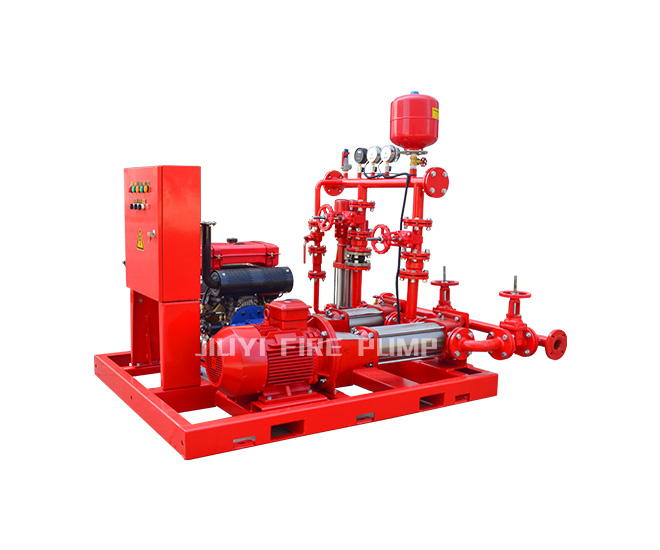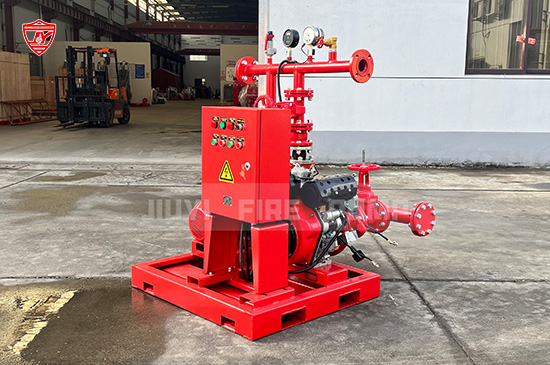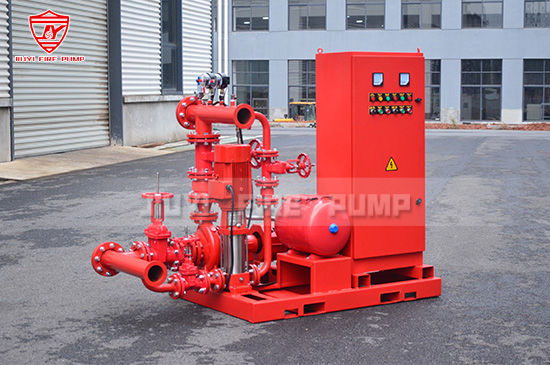
Fire pump systems play a critical role in ensuring that fire protection systems receive adequate water pressure and flow during an emergency. Among the most commonly misunderstood concepts in fire pump design and system performance is “available flow.” Many engineers, contractors, and project owners focus only on the rated flow of a fire pump, but available flow is what truly determines whether the system can deliver enough water to suppress a fire under real operating conditions.
This article explains what 'available flow' in a fire pump system means, how it differs from rated flow, why it is important in fire protection design, and how it is evaluated in practical projects. Understanding this concept helps avoid underperforming systems, costly redesigns, and potential fire safety risks.
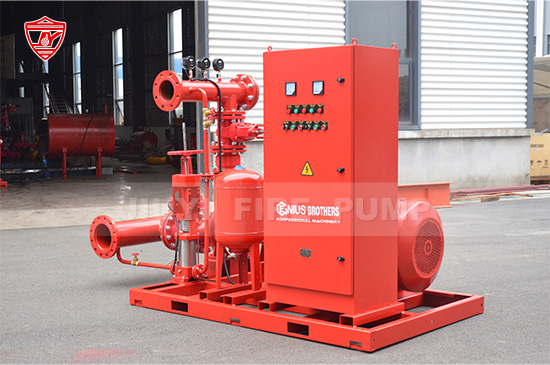
A fire pump system is designed to boost water pressure and ensure sufficient flow for fire protection systems such as sprinklers, hydrants, standpipes, foam systems, and monitors. Fire pumps are typically driven by electric motors or diesel engines, and they are selected based on the required flow rate and pressure needed by the fire protection system.
In design documents, the fire pump is often described by its rated flow and rated pressure. For example, a fire pump may be rated at 1000 gallons per minute at a specific pressure. However, this rated capacity does not automatically mean the system can always deliver that amount of water to the fire protection network. The actual performance depends on the water supply, system losses, and operating conditions. This is where the concept of available flow becomes essential.
Fire pump system available flow refers to the actual flow rate that can be delivered by the fire pump system to the fire protection network at the required pressure, taking into account the real conditions of the water supply and the entire piping system.
In simple terms, available flow is not just about how much water the pump can theoretically move. It reflects how much water is truly available at the point of use when the pump operates under the specific conditions of the project. These conditions include suction water pressure, water source capacity, friction losses in piping, elevation changes, and the demand of the connected fire protection systems.
Available flow answers a practical question: when a fire occurs and the system is activated, how much water can actually reach the sprinklers or hydrants at the pressure they need to function correctly?
One of the most common misunderstandings in fire pump selection is confusing rated flow with available flow.
Rated flow is the nominal flow capacity stated on the fire pump nameplate and performance curve. It represents the flow the pump can deliver at a specific rated pressure under standard test conditions.
Available flow is the flow that can be delivered to the fire protection system after considering real-world factors such as suction conditions, pipe friction losses, fittings, valves, and elevation head. In many cases, the available flow at the most remote or hydraulically demanding point in the system is lower than the rated flow of the pump.
This difference matters because fire protection systems are designed based on required flows at specific locations. If the available flow is less than the required demand, the system may fail to meet fire safety performance criteria even if the pump itself is properly rated.
Fire protection systems are designed to deliver a minimum required flow and pressure to control or suppress a fire. Sprinkler systems, standpipe systems, and hydrant systems all have defined hydraulic demands. If the available flow from the fire pump system is insufficient, several risks arise.
First, sprinklers may discharge less water than required, reducing their ability to control the fire. Second, fire hose streams may not achieve the needed reach or intensity, limiting firefighting effectiveness. Third, system acceptance testing may fail, leading to costly delays and modifications.
Available flow is therefore a key parameter for verifying that the fire pump system design matches the actual water supply conditions and system requirements. It ensures that the installed system can perform as intended in a real emergency, not just on paper.
Several factors influence how much flow is actually available from a fire pump system. Understanding these factors helps designers and project owners identify potential limitations early in the design process.
The first factor is the water source capacity. The pump can only deliver as much water as the source can supply. If the suction source is a municipal water main, the available flow depends on the main’s size, pressure, and network conditions. If the source is a tank or reservoir, the available flow depends on tank volume, refill rate, and suction piping design.
The second factor is suction pressure. Fire pumps rely on sufficient net positive suction head to operate efficiently. Low suction pressure reduces pump performance and can limit the available flow, especially at higher flow rates.
The third factor is friction loss in piping. As water flows through pipes, fittings, valves, strainers, and meters, pressure is lost due to friction. Longer pipe runs, smaller diameters, and more fittings all increase friction losses, reducing the flow and pressure available at the system outlets.
The fourth factor is elevation change. If water must be pumped to higher elevations, additional pressure is required to overcome the static head. This reduces the available pressure for flow at the discharge points, potentially limiting the usable flow.
The fifth factor is system demand. The total flow required by all operating fire protection devices at the same time affects how much flow can be delivered to each outlet. Systems designed with high simultaneous demand must ensure that the available flow can meet this combined requirement.
Available flow is determined through hydraulic analysis and system testing. During the design stage, engineers perform hydraulic calculations to estimate friction losses, elevation head, and required discharge pressures. These calculations are used to evaluate whether the selected fire pump can provide sufficient available flow at the most demanding points in the system.
In existing systems or during commissioning, flow testing can be used to verify available flow. Fire pump acceptance tests measure the pump’s performance at various flow points, and system flow tests evaluate how much water can be delivered through the installed piping network. These tests provide real-world confirmation of available flow under controlled conditions.
By comparing the measured available flow with the system’s required demand, engineers can verify compliance with fire protection design criteria and identify any performance gaps.
One common misconception is that selecting a larger pump automatically guarantees sufficient available flow. In reality, a larger pump may not improve available flow if the water source or suction piping cannot support higher flow rates. Oversizing the pump without addressing suction conditions can even cause operational issues such as cavitation.
Another misconception is that municipal water supply always provides sufficient flow. In many regions, municipal supply pressure and capacity can vary significantly depending on time of day, network conditions, and future development. Relying solely on nominal municipal data without proper analysis can lead to overestimating available flow.
Some project teams also assume that passing a pump factory test guarantees system performance. Factory tests confirm pump performance under controlled conditions but do not account for the specific piping layout, elevation, and friction losses of the actual installation. Available flow must always be evaluated in the context of the full system.
The concept of available flow applies to all types of fire pump systems, but the influencing factors may vary depending on the configuration.
In electric fire pump systems, available flow depends on the stability of the power supply, motor performance, and suction conditions. While electric pumps provide consistent performance when properly powered, their available flow is still limited by the water source and system losses.
In diesel engine fire pump systems, available flow depends on engine output, pump performance, and suction conditions. Diesel pumps are often used where electrical power is unreliable, but their performance can vary with engine speed, fuel quality, and maintenance condition. Proper testing is essential to confirm available flow.
In vertical turbine fire pump systems, commonly used for deep well or open water sources, available flow depends heavily on the submergence of the pump bowls, the well capacity, and the design of the column pipe. Water level fluctuations can significantly affect suction conditions and thus available flow.
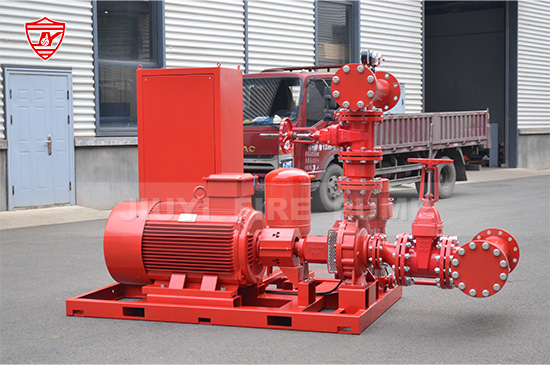
In packaged fire pump sets, which include pump, driver, controller, and accessories, available flow must be evaluated for the complete assembly in the context of the installed piping and water source. Even well-integrated pump sets require proper system-level analysis to ensure sufficient available flow.
Available flow plays a key role in fire protection system design approval and acceptance. During design review, authorities and project stakeholders evaluate whether the system can meet the required hydraulic demands. Available flow calculations and test results provide the technical basis for this evaluation.
During commissioning and acceptance testing, flow tests demonstrate that the installed system can deliver the required flow and pressure. If available flow is insufficient, modifications such as pipe upsizing, pump replacement, or water source enhancement may be required.
From a project management perspective, addressing available flow early in the design phase helps avoid costly changes during construction or commissioning. It also provides confidence to building owners that their fire protection system will perform reliably in an emergency.
Fire pump manufacturers contribute to available flow performance by providing accurate pump performance curves, reliable equipment, and technical support for system integration. Proper selection of pump size, impeller diameter, and driver capacity is essential for achieving the desired flow and pressure characteristics.
Manufacturers also provide guidance on suction piping design, minimum inlet pressure requirements, and installation best practices. These factors directly affect the available flow of the system. A well-designed pump installed with poor suction conditions will not achieve its potential performance, while a properly integrated system maximizes the usable flow.
In addition, manufacturers support testing and commissioning by supplying documentation, test procedures, and technical assistance. This helps project teams verify that the system’s available flow meets design expectations and regulatory requirements.
Available flow is not a static value over the lifetime of a fire pump system. Changes in the water supply network, aging of piping, accumulation of scale or corrosion, and modifications to the fire protection system can all affect available flow over time.
Regular inspection, testing, and maintenance are essential to ensure that the system continues to deliver the required flow and pressure. Periodic flow testing can reveal gradual performance degradation and help identify issues before they compromise fire safety.
For facilities with expanding operations or changing fire protection requirements, reassessing available flow is an important part of system upgrades and retrofits. This ensures that the fire pump system remains capable of meeting current and future demands.
Fire pump system available flow is a fundamental concept in fire protection engineering that goes beyond the rated capacity of the pump. It represents the real, usable flow that can be delivered to fire protection systems under actual operating conditions. Understanding available flow helps designers select appropriate equipment, ensures compliance with fire safety requirements, and provides confidence that the system will perform effectively during an emergency.
For project owners and fire safety professionals, focusing on available flow rather than just pump ratings leads to more reliable, resilient fire protection systems. By considering water source capacity, suction conditions, system losses, and long-term performance, fire pump systems can be designed and maintained to deliver the flow that truly matters when it is needed most.