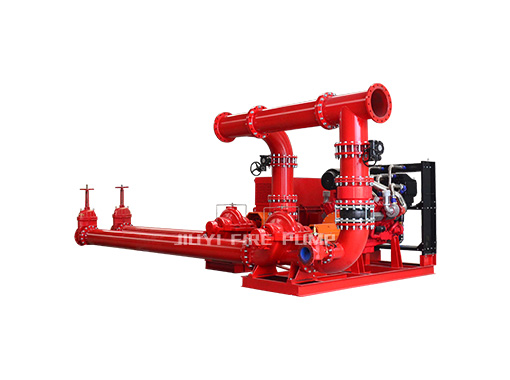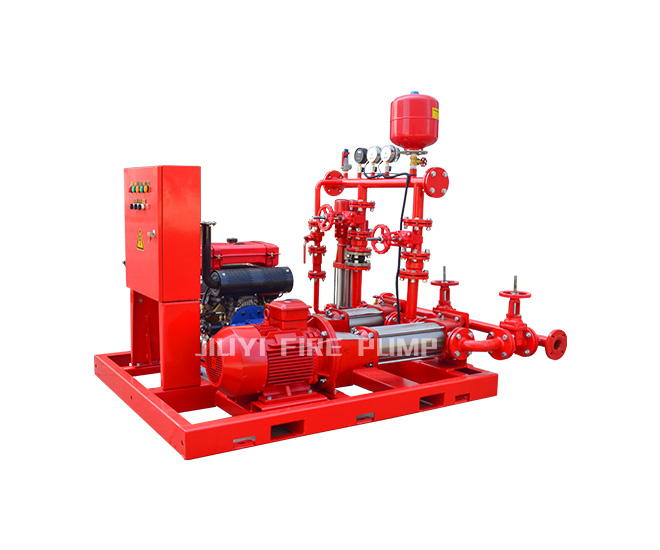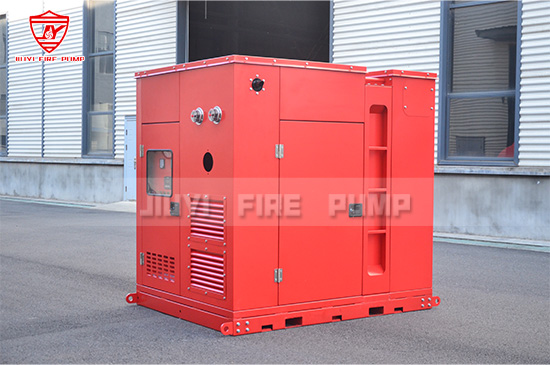
Fire protection systems are designed to respond instantly when a fire emergency occurs. At the heart of many fire protection systems is the fire pump, which ensures adequate water pressure and flow to sprinklers and hydrants. However, a fire pump is only as reliable as its controller and power supply. One critical performance factor that directly impacts system reliability is fire pump controller transfer time.
Fire pump controller transfer time refers to the time it takes for a fire pump controller to switch from the normal power source to the emergency or alternate power source after detecting a power failure. This brief but crucial interval determines how quickly the fire pump can resume operation and supply water to the fire protection system during an emergency.
In real-world fire scenarios, even a few seconds of delay can influence fire growth, system performance, and overall safety outcomes. Understanding fire pump controller transfer time helps designers, facility managers, fire protection engineers, and inspectors ensure that fire pump systems meet performance expectations and regulatory requirements.
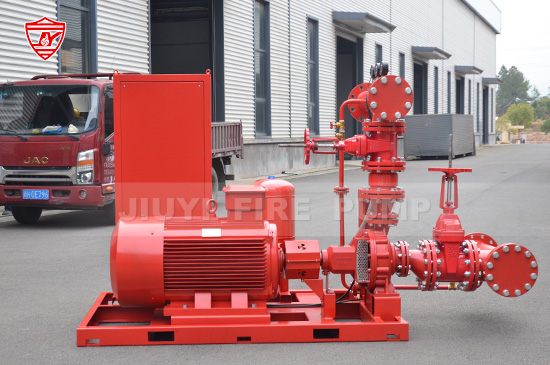
Fire pump controller transfer time plays a vital role in the reliability of fire protection systems. When normal power fails, such as during a utility outage, electrical fault, or fire-related damage, the controller must rapidly transfer power to a backup source. Any delay during this transition can temporarily interrupt water supply pressure to sprinklers and hose systems.
In high-risk environments such as industrial plants, warehouses, data centers, airports, hospitals, and high-rise buildings, uninterrupted fire pump operation is critical. Fire suppression systems rely on stable pressure to control fire spread in the early stages. A slow transfer time may cause pressure drops that reduce sprinkler effectiveness and compromise fire containment.
Transfer time also affects compliance with fire safety standards and project acceptance by authorities having jurisdiction. Properly designed fire pump controllers are engineered to minimize interruption during power transfer, supporting continuous system readiness.
Fire pump controllers are designed to monitor incoming power continuously. Under normal operating conditions, the controller receives power from the main electrical supply. When a power interruption occurs, the controller detects the voltage loss and initiates a transfer sequence.
For electric fire pump systems, the controller may be connected to an alternate power source such as an emergency generator. The controller sends a start signal to the generator, waits for the generator to reach stable voltage and frequency, and then transfers the fire pump load to the generator.
In systems with multiple power sources, such as normal utility power and emergency power feeders, the controller may switch between two electrical supplies using automatic transfer mechanisms. The entire sequence includes fault detection, generator startup or power source availability verification, and mechanical or electrical switching within the controller.
Fire pump controller transfer time includes all these steps, from the moment the normal power fails to the moment the fire pump resumes stable operation on the alternate power source.
Transfer time varies depending on system configuration, power source type, controller design, and generator performance. Systems connected to emergency generators typically experience longer transfer times compared to systems with dual utility feeders.
Generator-based systems involve generator start-up time, stabilization time, and controller switching time. This can result in transfer times ranging from several seconds to longer durations, depending on equipment performance and maintenance condition. Systems with dedicated emergency feeders may achieve faster transfer times due to the absence of generator startup delays.
Manufacturers design fire pump controllers to minimize operational gaps, but transfer time is influenced by external components such as generator response and power distribution design. Proper coordination between fire pump controllers and emergency power systems is essential to achieve reliable and predictable transfer performance.
Fire pump controller transfer time is addressed indirectly in fire protection standards and electrical codes that govern fire pump performance, emergency power supply reliability, and controller functionality. These standards define acceptable system behavior during power interruptions and emphasize continuous fire pump availability.
Authorities having jurisdiction may require documentation and testing to verify that fire pump controllers transfer power within acceptable time frames. During commissioning and periodic inspections, transfer time performance is often evaluated as part of fire pump acceptance testing.
Compliance with relevant fire safety standards ensures that the fire pump system performs as intended during emergencies. Manufacturers design controllers to meet or exceed these performance expectations, but installation quality and system integration also play major roles in achieving compliance.
Several factors influence fire pump controller transfer time. One of the most significant is generator startup performance. If the generator experiences delays due to mechanical wear, fuel supply issues, or maintenance deficiencies, transfer time will increase.
Controller configuration also affects transfer speed. Some controllers are programmed with intentional delays to prevent nuisance transfers caused by brief voltage fluctuations. While these delays help prevent unnecessary switching, they may slightly extend transfer time during genuine power failures.
Electrical system design, including the type of transfer switch and wiring configuration, impacts how quickly the controller can complete the power transition. Mechanical switching components may have inherent actuation times that contribute to overall transfer duration.
Environmental conditions such as temperature and humidity can also affect equipment performance, especially in outdoor installations or harsh industrial environments. Proper enclosure design and component protection help maintain reliable operation.
Excessive transfer time is often a sign of system issues that require attention. Poor generator maintenance is a leading cause, as slow engine cranking or unstable voltage output can delay power availability. Fuel quality problems and battery failures can further extend generator startup time.
Improper controller settings may introduce unnecessary delays. If time delays are configured too conservatively, the controller may wait longer than necessary before initiating power transfer. While protective logic is important, excessive delays should be reviewed and optimized based on system requirements.
Aging electrical components, worn contactors, and deteriorated wiring connections can also slow transfer operations. Regular inspection and maintenance of fire pump controllers and associated power systems are essential to ensure consistent performance.
Designing for reliable fire pump controller transfer time begins at the system planning stage. Selecting high-quality controllers and emergency power equipment is fundamental. Manufacturers with experience in fire pump systems design controllers specifically engineered for rapid and reliable power transfer.
Routine testing and maintenance are equally important. Periodic power failure simulations allow facility teams to observe actual transfer time performance and identify issues before real emergencies occur. Generator testing, controller functional testing, and transfer switch inspections should be part of a comprehensive maintenance program.
Coordination between electrical engineers, fire protection engineers, and system integrators ensures that all components work together seamlessly. Proper load calculations, generator sizing, and controller configuration reduce the risk of transfer delays and system instability.
Diesel fire pump systems differ fundamentally from electric fire pump systems. Diesel fire pumps rely on an onboard engine and do not depend on external power sources for operation. As a result, the concept of controller transfer time applies differently.
In diesel fire pump systems, the controller’s primary function is to detect a fire demand and start the diesel engine. Transfer time in this context refers to engine start time rather than power source switching. Engine starting performance is critical to ensure that the fire pump reaches operating speed and pressure quickly.
Although diesel systems avoid reliance on external power, they introduce other considerations such as fuel availability, engine maintenance, and battery condition. Proper maintenance of diesel engines and controllers ensures rapid startup and dependable fire pump operation during emergencies.
Testing fire pump controller transfer time is a key part of commissioning and ongoing system verification. Acceptance tests typically include simulated power failure scenarios to observe how the controller transfers power and how quickly the fire pump resumes operation.
During testing, technicians monitor voltage, current, pump speed, and pressure to ensure stable performance after transfer. Any abnormal delays, voltage instability, or pump performance issues should be investigated and corrected.
Documenting test results provides valuable records for regulatory compliance and system audits. Regular testing also helps identify gradual performance degradation before it leads to operational failures.
Fire pump controller manufacturers play a major role in defining transfer time performance. High-quality controllers are engineered with fast detection circuits, reliable switching mechanisms, and configurable logic that balances responsiveness with system protection.
Manufacturers also provide guidance on controller setup, recommended testing intervals, and integration with emergency power systems. Choosing a manufacturer with deep expertise in fire pump systems helps ensure that transfer time performance aligns with fire safety objectives.
Beyond hardware design, technical support and documentation provided by manufacturers contribute to correct installation and long-term reliability. Clear instructions and training resources enable installers and operators to configure controllers for optimal performance.
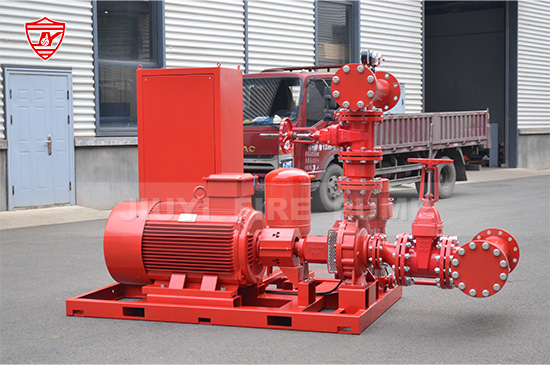
Fire pump controller transfer time is a critical performance factor that directly impacts the reliability of fire protection systems. It defines how quickly a fire pump can resume operation after a power interruption, ensuring continuous water supply to sprinklers and hydrants during emergencies.
Understanding how transfer time works, what influences it, and how to optimize system design and maintenance helps building owners, engineers, and safety professionals enhance overall fire safety readiness. By selecting reliable fire pump controllers, maintaining emergency power systems, and performing regular testing, facilities can minimize operational gaps and improve system resilience.
For fire pump manufacturers, delivering controllers with dependable transfer performance is not only a technical requirement but also a commitment to life safety. Transfer time may be measured in seconds, but its impact on fire protection effectiveness can be profound.