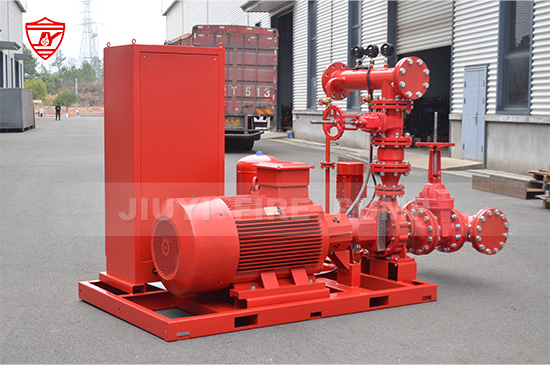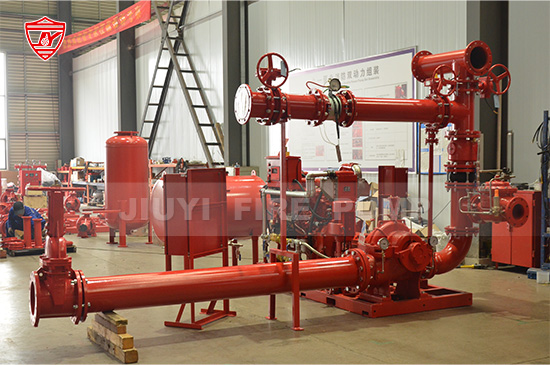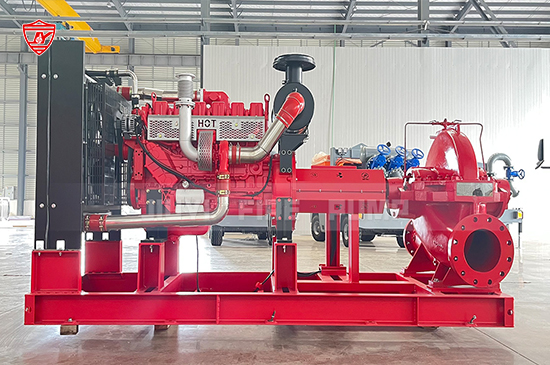
Fire pumps play a critical role in fire protection systems, ensuring that water is delivered at the required pressure and flow during an emergency. At the heart of every centrifugal fire pump is the impeller—the rotating component responsible for transferring energy to the water. When the impeller becomes damaged, the entire system’s reliability is compromised.
For industries relying on fire protection systems, preventing impeller damage is not just about equipment longevity—it is about ensuring life safety and property protection. This article explores the main causes of fire pump
impeller damage and provides practical strategies to prevent it.
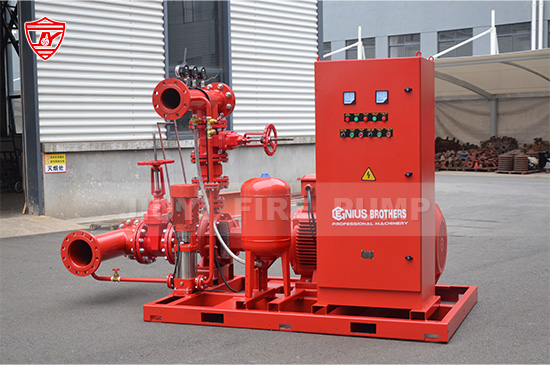
The impeller is subject to constant hydraulic forces, mechanical stress, and environmental conditions. Over time, these factors can lead to wear, corrosion, or catastrophic failure.
Common types of impeller damage include erosion, corrosion, cavitation pitting, clogging, and mechanical deformation. Even minor damage can significantly reduce pump efficiency, lower pressure output, and increase energy consumption. In severe cases, it can lead to complete pump failure during critical situations.
Cavitation is one of the most destructive forces affecting fire pump impellers. It occurs when the pressure at the pump inlet drops below the liquid’s vapor pressure, causing vapor bubbles to form and collapse violently.
These collapsing bubbles create shockwaves that erode the impeller surface, resulting in pitting and material loss.
Typical causes of cavitation include:
Insufficient Net Positive Suction Head (NPSH)
Blocked suction lines
High fluid temperature
Excessive pump speed
Corrosion occurs when the impeller material reacts with the pumped liquid or surrounding environment. In fire pumps, this is often caused by:
Poor water quality
High salinity or chemical content
Oxygen exposure
Corrosion weakens the impeller structure, making it more susceptible to cracking and failure.
When water contains sand, silt, or debris, these particles can erode the impeller surfaces over time. This is particularly common in systems drawing water from natural sources such as lakes, rivers, or underground wells.
Abrasive wear leads to reduced efficiency and imbalance in the impeller.
Improper installation, misalignment, or excessive vibration can place additional stress on the impeller. Over time, this can lead to:
Shaft misalignment
Bearing failure
Impeller deformation
Foreign objects entering the pump can cause immediate and severe damage to the impeller. This may include:
Rust flakes
Construction debris
Pipe scale
Preventing impeller damage begins at the design stage. A properly designed fire pump system ensures stable operating conditions and minimizes stress on the impeller.
Key design considerations include:
Adequate suction pipe diameter
Minimizing bends and restrictions
Maintaining proper Net Positive Suction Head (NPSH)
Selecting the correct pump type for the application
Designing according to NFPA 20 standards ensures that the system meets fire safety requirements and operates reliably under emergency conditions.
Since cavitation is a leading cause of impeller damage, preventing it should be a top priority.
Measures to avoid cavitation include:
Maintain sufficient suction pressure
Keep suction lines clean and unobstructed
Avoid excessive pump speeds
Ensure proper pump priming
Monitor water temperature
Installing pressure gauges on both suction and discharge sides can help detect early signs of cavitation.
The choice of impeller material has a direct impact on durability. Materials such as bronze, stainless steel, or specially coated alloys offer improved resistance to corrosion and wear.
For harsh environments, corrosion-resistant coatings or duplex stainless steel impellers may be necessary.
Selecting high-quality materials is especially important for fire pumps operating in coastal or industrial areas.
To prevent abrasive wear and damage from debris, it is essential to install proper filtration systems.
Best practices include:
Use suction strainers to remove large particles
Install filters in systems with poor water quality
Regularly clean and inspect strainers
This simple measure can significantly extend the life of the impeller.
Routine maintenance is one of the most effective ways to prevent impeller damage.
A comprehensive maintenance program should include:
Visual inspections of pump components
Vibration analysis
Bearing condition monitoring
Checking alignment and coupling
Lubrication of moving parts
Periodic performance testing can also help identify efficiency losses caused by impeller wear.
Changes in pump performance often indicate early-stage impeller damage.
Key indicators include:
Reduced pressure or flow
Increased power consumption
Unusual noise or vibration
Fluctuating discharge pressure
Installing monitoring systems or sensors can provide real-time data, allowing for early detection and corrective action.
Water quality plays a critical role in preventing corrosion and abrasive wear.
Recommendations include:
Avoid stagnant water in the system
Periodically flush pipelines
Use corrosion inhibitors if necessary
Test water quality regularly
Maintaining clean water reduces the risk of both corrosion and debris-related damage.
Incorrect installation can lead to long-term mechanical problems.
Key installation practices include:
Ensure proper alignment of pump and motor
Secure foundation and baseplate
Avoid pipe strain on pump casing
Follow manufacturer installation guidelines
Proper alignment reduces vibration and prevents uneven wear on the impeller.
Operating a fire pump outside its design range can significantly shorten impeller life.
Avoid:
Running the pump at excessive speeds
Operating at very low or very high flow rates
Frequent start-stop cycles
Always ensure that the pump operates close to its best efficiency point (BEP).
Fire pumps must be tested regularly to ensure readiness. However, improper testing can also cause damage.
Follow recommended procedures such as:
Weekly churn tests
Annual flow tests
Avoid dry running
Ensure adequate water supply during testing
Testing should always be conducted in accordance with NFPA 20 and related standards.
Early detection is essential to prevent system failure. Common warning signs include:
Unusual noise (often associated with cavitation)
Decreased pump efficiency
Increased vibration levels
Leakage or overheating
Fluctuating pressure readings
If any of these symptoms are observed, immediate inspection is recommended.
Failing to address impeller damage can lead to serious consequences:
Reduced fire protection reliability
Increased energy and maintenance costs
Unexpected system downtime
Potential failure during emergencies
In fire protection systems, equipment failure is not an option. Preventive maintenance and proactive monitoring are essential.
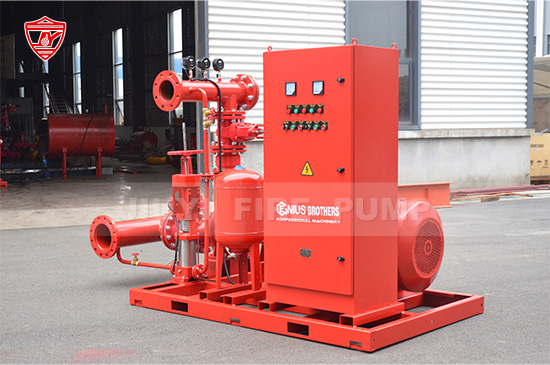
Preventing fire pump impeller damage requires a combination of proper design, high-quality materials, regular maintenance, and adherence to industry standards. By understanding the root causes of impeller failure and implementing preventive strategies, facility managers and engineers can ensure reliable performance when it matters most.
For manufacturers and operators alike, investing in preventive measures not only extends equipment life but also safeguards lives and property. In the fire safety industry, reliability is everything, and protecting the impeller is a key part of achieving it.