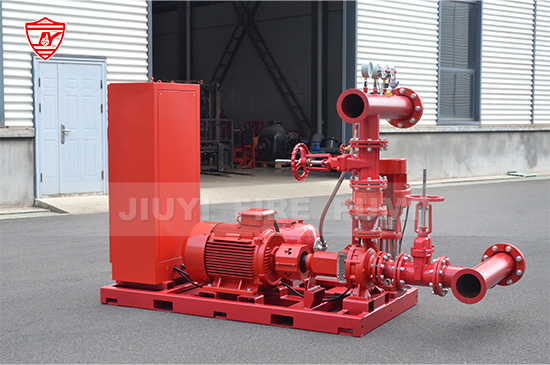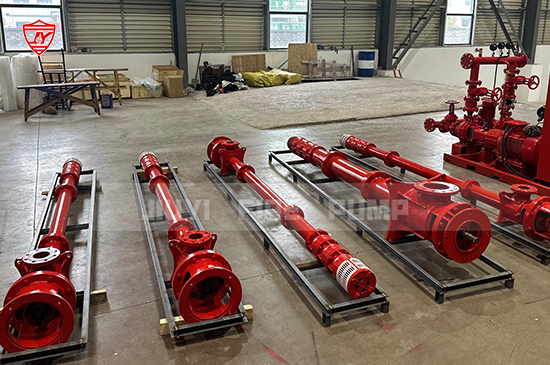
Fire protection systems in critical infrastructure must perform under the most demanding conditions. Facilities such as data centers, hospitals, airports, power plants, and industrial complexes cannot afford fire protection failure. In these environments, fire pump redundancy is not optional—it is essential.
A properly designed redundant fire pump system ensures continuous water supply even in the event of component failure, power loss, or maintenance downtime. This article explains how to plan fire pump redundancy effectively, focusing on system reliability, compliance, and real-world performance.
What Is Fire Pump Redundancy?
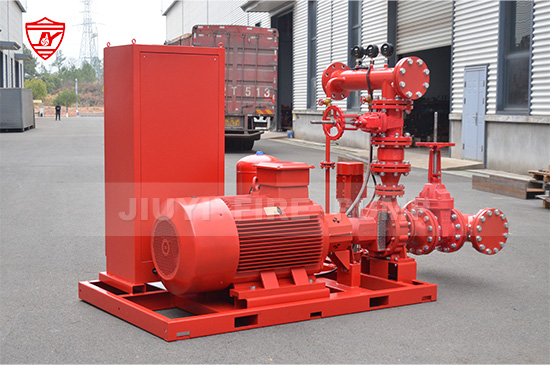
Fire pump redundancy refers to the use of multiple fire pumps or backup systems to ensure uninterrupted operation if the primary pump fails. Redundancy can be achieved through various configurations, including multiple pumps, dual power sources, or a combination of both.
The goal is simple: eliminate single points of failure in the fire protection system.
In critical infrastructure, redundancy is often required by codes, insurance standards, and risk management policies. It also plays a key role in meeting uptime requirements and ensuring operational continuity.
Why Redundancy Is Essential in Critical Infrastructure
Unlike standard commercial buildings, critical facilities have high consequences of failure. A fire event combined with fire pump failure can lead to catastrophic losses, including:
-
Operational downtime
-
Data loss or system disruption
-
Safety risks to occupants
-
Regulatory penalties
-
Financial and reputational damage
For example, a data center fire without reliable fire suppression can cause millions of dollars in losses within minutes. Similarly, hospitals rely on uninterrupted fire protection to protect patients who cannot evacuate easily.
Redundant fire pump systems mitigate these risks by ensuring that water supply is always available when needed.
Understanding Code Requirements
Fire pump redundancy is guided by standards such as NFPA 20, which provides requirements for the installation of stationary fire pumps. While NFPA 20 does not always mandate redundancy, it strongly influences design decisions for high-risk facilities.
Key considerations include:
-
Reliability of the power supply
-
Type of occupancy and hazard level
-
Water supply availability
-
System demand and duration
In many cases, authorities having jurisdiction (AHJ) or insurance providers may require redundant systems, especially for mission-critical facilities.
Types of Fire Pump Redundancy
There are several approaches to designing redundancy, depending on the level of risk and facility requirements.
1. Duty-Standby Pump Configuration
This is the most common redundancy setup. It includes:
-
One primary (duty) pump
-
One backup (standby) pump
Both pumps are sized to handle 100% of the required flow and pressure. If the primary pump fails, the standby pump automatically starts.
Advantages:
-
Simple and cost-effective
-
Provides full redundancy
-
Easy to maintain
2. N+1 Redundancy
In larger systems, N+1 redundancy is often used. This means:
-
N pumps are required to meet demand
-
1 additional pump is installed as backup
For example, if two pumps are required, a third pump is added as redundancy.
Advantages:
-
Higher reliability for large systems
-
Allows maintenance without system shutdown
3. Dual Driver Systems (Electric + Diesel)
One of the most effective redundancy strategies is using different power sources:
-
Electric motor-driven fire pump
-
Diesel engine-driven fire pump
If electrical power fails, the diesel pump ensures continued operation.
Advantages:
-
Eliminates dependence on a single power source
-
Meets requirements for unreliable power grids
This configuration is widely used in critical infrastructure projects.
4. Zoned or Segmented Systems
Large facilities may use multiple fire pump rooms or zones. Each zone has its own pump system, providing redundancy at the system level.
Advantages:
-
Limits impact of localized failure
-
Improves system resilience
Key Design Considerations
Planning fire pump redundancy requires more than simply adding extra pumps. The entire system must be designed for reliability.
1. Power Supply Reliability
Power failure is one of the most common causes of fire pump failure. To address this:
-
Use diesel fire pumps as backup
-
Provide emergency generators
-
Ensure independent power feeds
Dual power sources significantly improve system reliability.
2. Water Supply Redundancy
Even the best fire pump cannot operate without water. Consider:
-
Multiple water sources (tank, city supply, reservoir)
-
Adequate storage capacity
-
Reliable suction conditions
For critical facilities, dual water supplies are often required.
3. Control System Redundancy
Fire pump controllers must also be reliable. Redundant control systems may include:
-
Independent controllers for each pump
-
Backup batteries
-
Separate wiring routes
Failure of a control panel should not disable the entire system.
4. Physical Separation
Redundant components should not be located in the same area. A single incident, such as fire or flooding, could disable all equipment.
Best practices include:
-
Separate pump rooms
-
Fire-rated barriers
-
Flood protection measures
5. Maintenance and Testing
Redundancy is only effective if all components are operational. Regular testing and maintenance are critical.
Key practices include:
-
Weekly pump testing
-
Periodic full-load testing
-
Routine inspection of diesel engines
-
Verification of automatic start functions
A standby pump that does not start is not a backup.
Common Mistakes to Avoid
Many fire pump systems fail due to poor redundancy planning. Avoid these common errors:
1. Relying on a Single Power Source
Even with multiple pumps, a single power failure can disable the system. Always consider alternative power sources.
2. Undersized Backup Pumps
Backup pumps must be capable of handling full system demand. Partial redundancy is not sufficient for critical infrastructure.
3. Shared Critical Components
If multiple pumps share the same controller, suction line, or discharge header, a single failure can affect all pumps.
4. Lack of Automatic Operation
Redundant systems must operate automatically. Manual intervention is not acceptable during an emergency.
5. Poor System Integration
All components must work together seamlessly. Improper integration can lead to delays or failure during operation.
Application Examples
Data Centers
Data centers require near-zero downtime. Redundant fire pumps are typically combined with:
-
Diesel backup pumps
-
Multiple water supplies
-
Advanced monitoring systems
Hospitals
Hospitals often require:
-
Dual fire pumps (electric and diesel)
-
Emergency power systems
-
Continuous testing and maintenance
Industrial Facilities
Industrial plants may use:
-
Multiple pump systems
-
High-capacity diesel pumps
-
Segmented fire protection zones
Airports and Transportation Hubs
Large facilities benefit from:
-
Distributed pump systems
-
Redundant infrastructure
-
High-capacity water storage
Cost vs. Risk Considerations
Redundancy increases initial investment, but the cost of failure is significantly higher.
When evaluating redundancy, consider:
-
Potential financial loss
-
Safety implications
-
Regulatory requirements
-
Insurance benefits
For critical infrastructure, redundancy is a risk management strategy, not just a technical decision.
How to Choose the Right Redundancy Strategy
Selecting the right approach depends on several factors:
-
Facility type and risk level
-
Local regulations and codes
-
Power supply reliability
-
Water availability
-
Budget constraints
A comprehensive risk assessment is essential before finalizing the design.
Working with experienced fire pump manufacturers and system designers ensures that the redundancy plan meets both performance and compliance requirements.
The Role of High-Quality Fire Pumps
Redundancy does not replace the need for high-quality equipment. Reliable fire pumps are the foundation of any fire protection system.
When selecting fire pumps, consider:
-
Compliance with international standards
-
Proven performance and durability
-
Ease of maintenance
-
Availability of technical support
High-quality pumps reduce the likelihood of failure and enhance overall system reliability.
Conclusion
Fire pump redundancy is a critical component of fire protection design in essential facilities. By eliminating single points of failure, redundant systems ensure continuous operation during emergencies.
Effective redundancy planning involves more than installing additional pumps. It requires a comprehensive approach that includes power supply, water sources, control systems, and physical layout.
For critical infrastructure, the goal is clear: ensure that the fire protection system performs when it is needed most. A well-designed redundant fire pump system provides the reliability, safety, and peace of mind that these facilities demand.
If you are planning a fire pump system for a critical project, investing in redundancy is one of the most important decisions you can make.
.jpg)