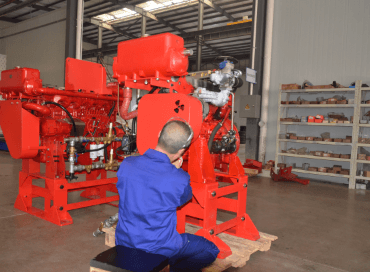
In fire protection systems, diesel engine-driven fire pumps play a critical role in ensuring water supply during emergencies. Unlike electric fire pumps, diesel units are often selected for their independence from power supply failures. However, in cold regions, diesel engines face unique challenges that can compromise reliability at the very moment they are needed most.
Low temperatures can affect fuel performance, battery efficiency, lubrication, and engine starting capability. Without proper design, installation, and maintenance strategies, diesel fire pumps may fail to start or operate effectively during a fire emergency. This article explores practical and proven methods to ensure diesel fire pump reliability in cold climates, aligned with industry standards such as NFPA 20.
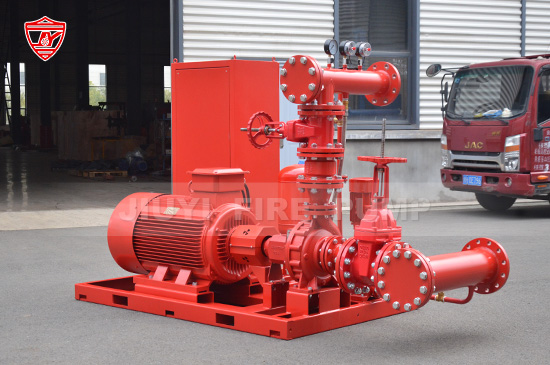
Understanding Cold Weather Risks for Diesel Fire Pumps
Cold environments introduce several risks that directly impact diesel engine performance:
1. Fuel Gelling and Waxing
Diesel fuel contains paraffin wax, which begins to solidify at low temperatures. As temperatures drop, fuel can thicken and clog filters, preventing proper fuel flow to the engine.
2. Reduced Battery Capacity
Battery efficiency drops significantly in cold weather. A battery at 0°C (32°F) can lose up to 20% of its capacity, and at -18°C (0°F), it may lose up to 50%. This can lead to failed engine starts.
3. Increased Oil Viscosity
Engine oil thickens in cold temperatures, increasing resistance during startup. This makes it harder for the engine to turn over and can delay lubrication to critical components.
4. Cooling System Freezing
Without proper antifreeze protection, the engine cooling system can freeze, causing severe damage to engine components.
5. Air Intake and Exhaust Issues
Ice accumulation in air intake or exhaust systems can restrict airflow, affecting combustion efficiency or even preventing the engine from running.
Understanding these risks is the first step toward implementing effective preventive measures.
Design Considerations for Cold Region Installations
Ensuring reliability begins at the design stage. Proper system configuration can significantly reduce cold weather risks.
1. Heated Pump Rooms
Whenever possible, diesel fire pumps should be installed in enclosed, heated pump rooms. Maintaining ambient temperatures above 4°C (40°F) helps prevent freezing and ensures optimal engine performance.
2. Insulated Enclosures for Outdoor Installations
For outdoor installations, use insulated enclosures equipped with heaters. These enclosures should protect the engine, fuel system, batteries, and control panels from extreme cold.
3. Engine Jacket Water Heaters
Jacket water heaters are essential for maintaining engine temperature. They keep coolant warm, ensuring faster starts and reducing engine wear. Continuous operation of these heaters is critical in cold climates.
4. Proper Ventilation
While heating is important, adequate ventilation must be maintained to ensure sufficient airflow for combustion and to prevent overheating during operation.
5. Compliance with NFPA 20
NFPA 20 requires that diesel engines be capable of starting and operating under site conditions. For cold regions, this includes ensuring temperature control measures are in place.
Fuel Management Strategies
Fuel issues are among the most common causes of diesel engine failure in cold weather. Proper fuel management is essential.
1. Use Winter-Grade Diesel Fuel
Winter diesel blends have lower cloud and pour points, reducing the risk of gelling. Always select fuel appropriate for the lowest expected temperature.
2. Add Anti-Gel Additives
Fuel additives can improve cold flow properties and prevent wax formation. These should be added before temperatures drop to ensure proper mixing.
3. Install Fuel Heaters
Fuel heaters maintain fuel temperature above its cloud point, ensuring smooth flow through filters and injectors.
4. Keep Fuel Tanks Full
A full tank reduces condensation, which can lead to water contamination and freezing. Regular inspection and draining of water separators is also necessary.
5. Regular Fuel Testing
Periodic fuel testing ensures that fuel quality remains within acceptable limits and that no contamination or degradation has occurred.
Battery and Electrical System Reliability
The starting system is critical for diesel fire pumps, and battery failure is a leading cause of start failure.
1. Use High-Quality Batteries
Select batteries designed for cold weather operation, with sufficient cold cranking amps (CCA) to meet engine requirements.
2. Maintain Battery Charge
Battery chargers should be continuously connected and monitored to ensure full charge at all times.
3. Install Battery Heaters
Battery heaters or insulated battery boxes help maintain optimal temperature, improving starting performance.
4. Regular Inspection and Testing
Routine checks should include voltage measurement, terminal cleaning, and load testing to ensure readiness.
5. Redundant Battery Systems
Fire pump diesel engines typically use dual battery systems. Both must be maintained and tested to ensure redundancy.
Lubrication and Cooling System Protection
Proper lubrication and cooling are essential for reliable engine operation.
1. Use Low-Temperature Engine Oil
Select engine oil with appropriate viscosity for cold climates. Multi-grade oils perform better in varying temperatures.
2. Maintain Proper Coolant Mixture
Coolant should contain the correct antifreeze concentration to prevent freezing and corrosion. Regular testing ensures proper protection levels.
3. Inspect Hoses and Connections
Cold temperatures can make materials brittle. Regular inspection helps prevent leaks and failures.
4. Continuous Heater Operation
Engine heaters should remain energized at all times to maintain optimal engine temperature.
Air Intake and Exhaust Management
Airflow is critical for combustion, and cold weather can obstruct these systems.
1. Protect Air Intake from Snow and Ice
Install protective covers or louvers to prevent snow ingress while maintaining airflow.
2. Use Heated Air Intake Systems
In extremely cold environments, intake air heaters can improve combustion efficiency and reduce starting issues.
3. Ensure Exhaust System Clearance
Exhaust outlets should be positioned and protected to prevent blockage from snow or ice accumulation.
Regular Testing and Maintenance
Routine testing is essential to ensure that diesel fire pumps are ready for operation at all times.
1. Weekly No-Flow Testing
NFPA 20 recommends weekly testing of diesel fire pumps. In cold regions, this is even more critical to verify starting reliability.
2. Monitor Starting Time
Engines should start promptly. Delays may indicate issues with batteries, fuel, or lubrication.
3. Check Heater Functionality
Verify that all heaters (engine, fuel, battery) are operating correctly.
4. Inspect for Leaks and Damage
Look for signs of fuel, oil, or coolant leaks, as well as any physical damage caused by freezing.
5. Record and Analyze Data
Maintain detailed maintenance records to identify trends and prevent potential failures.
Automation and Monitoring Systems
Modern fire pump systems can benefit from advanced monitoring technologies.
1. Remote Monitoring
Remote monitoring systems allow operators to track temperature, battery status, and engine readiness in real time.
2. Alarm Systems
Temperature alarms can alert operators when conditions fall below safe levels.
3. Predictive Maintenance
Data analytics can help predict failures before they occur, improving reliability.
Emergency Preparedness
Even with the best preventive measures, unexpected situations can occur. Preparedness is essential.
1. Backup Heating Systems
Ensure redundancy in heating systems to prevent failure due to heater malfunction.
2. Spare Parts Availability
Keep critical spare parts such as filters, batteries, and heaters readily available.
3. Training Personnel
Operators should be trained to recognize cold weather issues and respond quickly.
4. Emergency Procedures
Establish clear procedures for addressing starting failures or system malfunctions.
Manufacturer Best Practices
As a fire pump manufacturer, ensuring reliability in cold regions should be integrated into product design and customer support.
-
Provide cold weather packages including heaters, insulation, and monitoring systems
-
Offer detailed installation guidelines tailored for low-temperature environments
-
Supply maintenance checklists specific to cold climates
-
Support customers with technical training and after-sales service
By delivering solutions designed for harsh conditions, manufacturers can enhance system reliability and customer confidence.
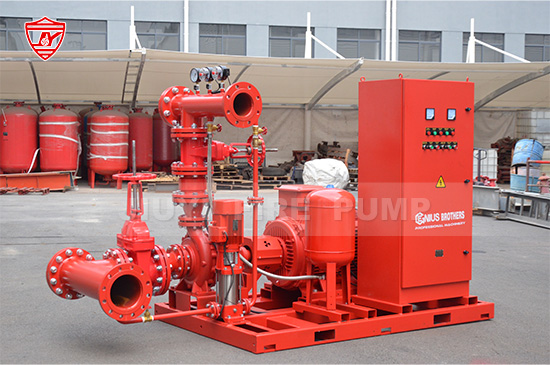
Conclusion
Diesel fire pumps are a vital component of fire protection systems, particularly in areas where power reliability cannot be guaranteed. However, cold climates present unique challenges that must be addressed through proper design, installation, and maintenance.
Ensuring reliability in cold regions requires a comprehensive approach that includes temperature control, fuel management, battery maintenance, lubrication, and regular testing. By following best practices and adhering to standards such as NFPA 20, facility owners and operators can ensure that their diesel fire pumps perform reliably when they are needed most.
.jpg)