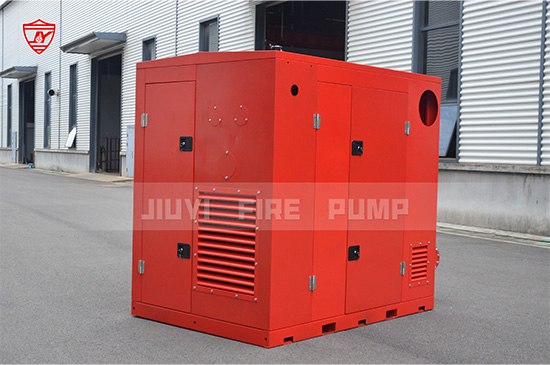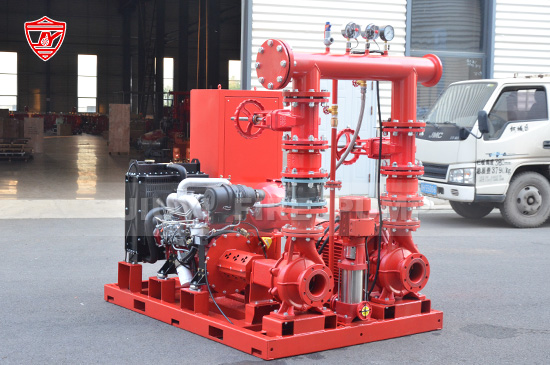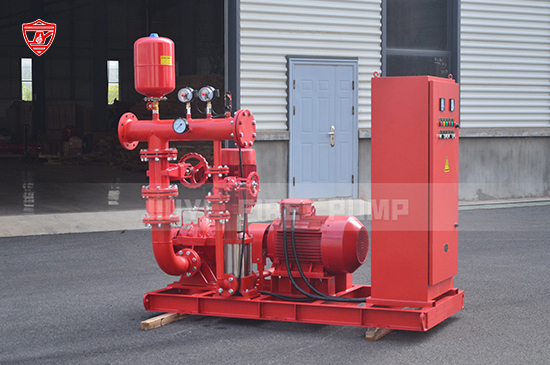
Workplace safety is a fundamental priority for any business, especially in industrial and commercial environments where fire risks can lead to devastating consequences. Fires not only threaten lives but can also cause severe financial loss, operational downtime, and long-term reputational damage. While fire alarms and sprinklers are often the most visible components of a fire protection system, fire pumps play a critical but often overlooked role in ensuring these systems function effectively when needed most.
A fire pump is the heart of a fire protection system. It ensures that water is delivered at the right pressure and flow rate to suppress fires quickly and efficiently. Without a properly designed and functioning fire pump system, even the most advanced fire protection infrastructure may fail to perform under emergency conditions.
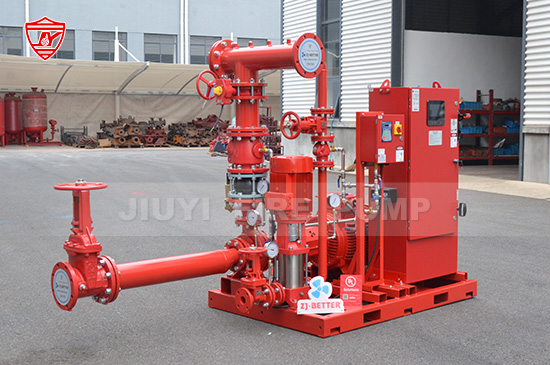
Fire pumps are designed to boost water pressure in fire protection systems, particularly in situations where the existing water supply is insufficient. This is common in high-rise buildings, large industrial facilities, warehouses, and remote locations where municipal water pressure may not meet firefighting requirements.
When a fire is detected and the sprinkler or hydrant system is activated, the fire pump automatically starts. It draws water from a reliable source such as a water tank, reservoir, or underground supply, and delivers it at a pressure strong enough to reach all areas of the facility. This ensures that fire suppression systems operate effectively from the moment they are needed.
Fire pumps are typically powered by electric motors or diesel engines, each offering distinct advantages depending on the application. Electric fire pumps are widely used in facilities with reliable power sources, while diesel fire pumps provide an independent solution in case of power failure, ensuring continuous operation during emergencies.
One of the most critical factors in firefighting is maintaining adequate water pressure. In many workplaces, especially those with large floor areas or multiple levels, standard water supply systems cannot provide sufficient pressure to reach all parts of the building.
Fire pumps solve this problem by delivering consistent and reliable pressure, ensuring that sprinkler systems and fire hoses perform as intended. Without this pressure, water may not reach the fire effectively, allowing it to spread rapidly and become more difficult to control.
In high-risk environments such as manufacturing plants, chemical facilities, and storage warehouses, even a few seconds of delay in fire suppression can lead to catastrophic outcomes. Fire pumps ensure immediate and effective response, significantly reducing the risk of fire escalation.
The primary goal of any fire protection system is to protect human life. Fire pumps play a direct role in achieving this by enabling rapid fire suppression, which helps contain fires before they spread and endanger occupants.
In addition to safeguarding lives, fire pumps also protect valuable assets, including equipment, inventory, and infrastructure. For businesses, this means minimizing financial losses and avoiding costly interruptions to operations. In industries where downtime can result in significant economic impact, having a reliable fire pump system is not just a safety measure but a strategic investment.
Moreover, effective fire protection systems can reduce insurance premiums and improve compliance with safety regulations, providing additional financial benefits to organizations.
Fire safety regulations and standards require buildings to have adequate fire protection systems in place. Fire pumps are often a mandatory component, particularly in large or high-risk facilities.
Standards such as those established by fire safety authorities specify the performance, installation, and maintenance requirements for fire pumps. Compliance with these standards ensures that fire protection systems are reliable and capable of performing under emergency conditions.
Failure to meet these requirements can result in legal penalties, increased liability, and higher insurance costs. More importantly, it can compromise the safety of employees and occupants.
By investing in high-quality fire pump systems and ensuring proper installation and maintenance, businesses can meet regulatory requirements and demonstrate their commitment to safety.
Modern workplaces often rely on complex fire protection systems that include sprinklers, hydrants, foam systems, and standpipes. These systems require a consistent and powerful water supply to function effectively.
Fire pumps serve as the central component that supports all these systems. They ensure that water is distributed evenly and at the correct pressure across the entire network. This is particularly important in large facilities where different areas may have varying fire risks and protection requirements.
For example, warehouses storing flammable materials may require higher water flow rates, while office areas may rely on standard sprinkler systems. Fire pumps provide the flexibility and capacity needed to meet these diverse demands.
Fires can disrupt business operations for extended periods, leading to lost revenue, damaged customer relationships, and increased recovery costs. In some cases, businesses may never fully recover from a major fire incident.
Fire pumps help prevent such scenarios by enabling early fire suppression, reducing the extent of damage, and allowing businesses to resume operations more quickly. This is especially important for industries that rely on continuous production or have tight supply chain schedules.
By minimizing downtime and protecting critical infrastructure, fire pumps contribute to overall business resilience and continuity planning.
Fire pumps are highly adaptable and can be customized to suit a wide range of applications. Whether it is a commercial building, industrial plant, offshore facility, or agricultural site, fire pump systems can be designed to meet specific requirements.
Different types of fire pumps, such as centrifugal pumps, split-case pumps, and vertical turbine pumps, offer various advantages depending on the installation environment. This flexibility allows businesses to implement fire protection solutions that are both effective and efficient.
Additionally, fire pumps can be integrated with advanced control systems and monitoring technologies, enabling real-time performance tracking and ensuring readiness at all times.
A fire pump is only effective if it functions properly during an emergency. Regular maintenance and testing are essential to ensure reliability and compliance with safety standards.
Routine inspections help identify potential issues such as wear and tear, mechanical faults, or system inefficiencies. Regular testing ensures that the pump can start automatically and deliver the required pressure and flow when needed.
Maintenance programs should include periodic performance testing, inspection of components, and verification of control systems. Proper documentation of these activities is also important for regulatory compliance and insurance purposes.
Neglecting maintenance can lead to system failure at critical moments, putting lives and property at risk. Therefore, businesses must prioritize ongoing maintenance as part of their overall fire safety strategy.
Investing in fire pumps and robust fire protection systems sends a strong message about a company’s commitment to safety. It demonstrates that the organization values the well-being of its employees and is proactive in mitigating risks.
This commitment can enhance employee confidence and contribute to a positive workplace culture. Employees are more likely to feel secure and perform effectively when they know that adequate safety measures are in place.
In addition, integrating fire safety systems with training programs and emergency response plans further strengthens workplace preparedness and resilience.
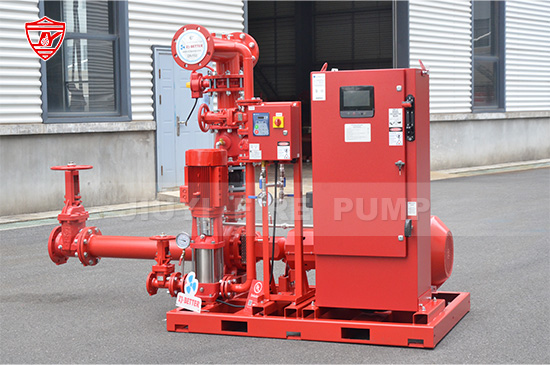
Fire pumps are an essential component of workplace safety, providing the pressure and reliability needed for effective fire suppression. They play a critical role in protecting lives, safeguarding assets, ensuring compliance with safety regulations, and supporting business continuity.
In today’s increasingly complex industrial and commercial environments, the importance of a reliable fire pump system cannot be overstated. Businesses must prioritize the selection, installation, and maintenance of high-quality fire pumps to ensure their fire protection systems perform when it matters most.