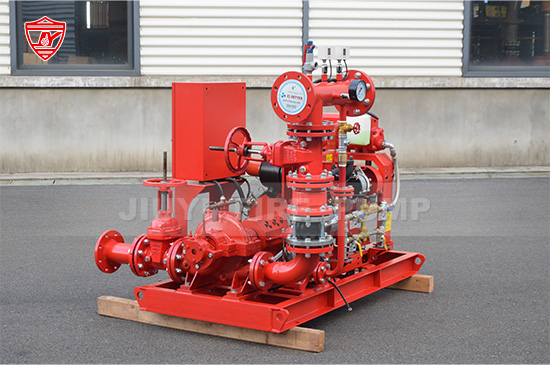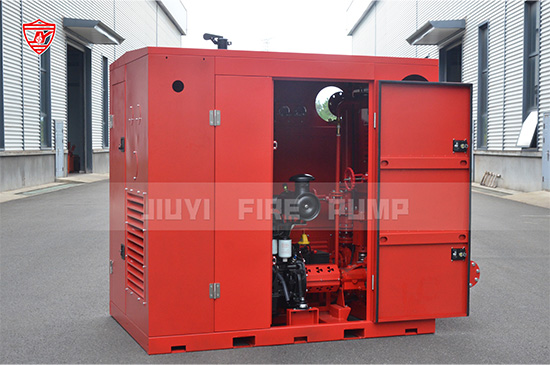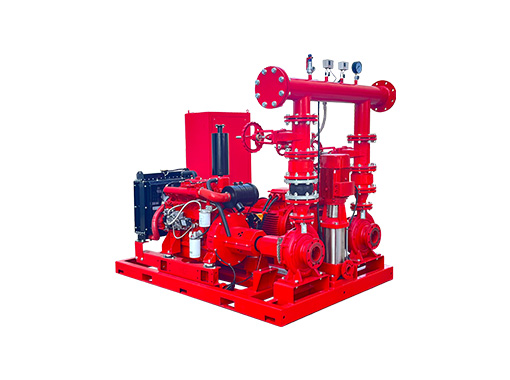
As cities continue to grow vertically, high-rise buildings have become an essential part of modern urban development. Residential towers, office buildings, hotels, shopping centers, and industrial facilities increasingly rely on advanced fire protection systems to ensure occupant safety. Among the most critical components of these systems is the fire pump.
Fire pumps play a vital role in delivering sufficient water pressure and flow during a fire emergency. Without them, sprinkler systems and standpipe systems in tall buildings may fail to provide adequate firefighting performance, especially on upper floors. Understanding why high-rise buildings need fire pumps helps building owners, contractors, engineers, and facility managers improve safety and maintain compliance with fire protection standards.
One of the biggest challenges in high-rise fire protection is water pressure. In low-rise buildings, municipal water systems may provide enough pressure to supply sprinklers and hose systems effectively. However, as building height increases, gravity and friction losses reduce water pressure significantly.
Water must travel vertically through long piping systems to reach upper floors. Without additional pressure support, sprinkler heads on higher levels may not discharge enough water to control or extinguish a fire. This is where fire pumps become essential.
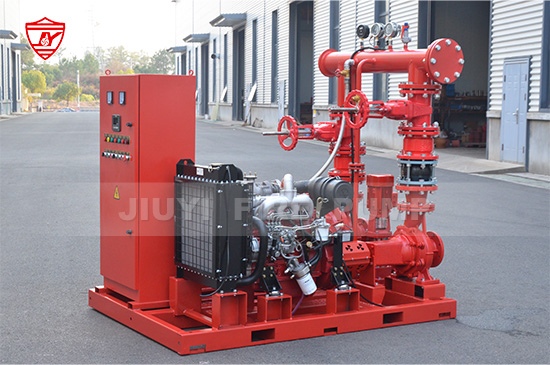
A fire pump boosts water pressure and ensures that firefighting systems receive the necessary water flow during emergencies. It acts as the heart of the building’s fire protection system, supporting reliable operation when every second matters.
A fire pump is a specialized pump designed to increase water pressure for fire protection systems. It is typically connected to a dedicated water source such as a water tank, reservoir, or municipal supply.
Fire pumps are activated automatically when system pressure drops below a predetermined level, usually caused by sprinkler activation or firefighting operations. Once activated, the pump delivers high-pressure water throughout the building’s fire suppression network.
Common fire pump types used in high-rise buildings include:
These pumps can be driven by electric motors or diesel engines depending on project requirements and local regulations.
The primary reason high-rise buildings need fire pumps is to maintain sufficient water pressure at upper floors.
As water rises through pipes, pressure decreases due to elevation changes. For every vertical meter or foot gained, water pressure drops. In skyscrapers and tall commercial buildings, this pressure loss can become substantial.
Fire pumps compensate for this loss by boosting pressure throughout the fire protection system. This ensures that sprinklers, hydrants, and standpipes operate effectively at all building levels.
Without a properly designed fire pump system, upper-floor occupants may face increased fire risks due to inadequate water delivery.
Automatic sprinkler systems are one of the most effective fire suppression methods available today. However, sprinklers can only function correctly if they receive enough water flow and pressure.
High-rise buildings contain extensive sprinkler piping networks spread across many floors. During a fire emergency, the system must deliver water quickly and consistently to the activated sprinkler heads.
Fire pumps ensure stable water supply conditions for sprinkler systems, allowing them to control or suppress fires before they spread. This helps reduce property damage, protect occupants, and improve evacuation safety.
In many cases, local fire codes and international standards require fire pumps whenever municipal pressure alone cannot meet sprinkler system demands.
During a high-rise fire, firefighters depend heavily on standpipe systems and fire hoses to combat flames. These systems require strong and reliable water pressure, especially at upper floors.
A fire pump helps maintain the pressure necessary for firefighting operations inside the building. This allows firefighters to connect hoses efficiently and receive adequate water flow during emergency response.
Without sufficient pressure, firefighting efforts may become slower and less effective, increasing the risk of fire spread and structural damage.
Reliable fire pump systems therefore play an important role not only in automatic suppression but also in manual firefighting operations.
Modern high-rise buildings must comply with strict fire protection regulations and safety codes. Many international standards require fire pumps in buildings where municipal water pressure is insufficient.
Standards such as NFPA 20 outline the installation requirements for stationary fire pumps used in fire protection systems. These standards help ensure that pumps operate reliably under emergency conditions.
Compliance with fire safety standards is essential for:
A properly selected and tested fire pump system helps building owners meet these important regulatory obligations.
Life safety is the most important reason for installing fire pumps in high-rise buildings.
Tall buildings present unique evacuation challenges. Occupants on upper floors may require more time to exit safely during a fire emergency. Smoke movement, elevator shutdowns, and crowded stairwells can complicate evacuation procedures.
Effective fire suppression systems help control fire growth during these critical moments. Fire pumps ensure that sprinklers and standpipes function properly, reducing fire intensity and creating safer evacuation conditions.
By supporting rapid fire control, fire pumps contribute directly to protecting lives and minimizing injuries.
Fire in a high-rise building can cause devastating financial losses. Beyond structural damage, fires may destroy equipment, business assets, electrical systems, furniture, and valuable inventory.
A strong fire protection system minimizes fire spread and helps contain damage to smaller areas. Fire pumps enable rapid sprinkler activation and effective firefighting response, reducing the severity of losses.
For commercial buildings, this also helps reduce business interruption and recovery costs after a fire incident.
Modern high-rise buildings are becoming increasingly complex. Mixed-use developments may include offices, apartments, hotels, parking garages, shopping centers, and entertainment areas within a single structure.
These facilities often require multiple fire protection zones with varying pressure demands. Fire pumps help provide stable and controlled water distribution across the entire building.
In some supertall buildings, engineers may use multiple fire pumps and pressure zones to manage water delivery effectively throughout the structure.
This flexibility makes fire pumps a critical part of advanced fire protection engineering.
Electric fire pumps are widely used because they provide reliable operation and relatively low maintenance requirements. They are ideal for buildings with dependable electrical infrastructure.
Advantages include:
However, backup power systems are often necessary to ensure operation during power failures.
Diesel engine fire pumps provide independent operation during electrical outages. They are commonly used as backup systems or primary systems where power reliability is uncertain.
Advantages include:
Diesel fire pumps are especially valuable for critical facilities where uninterrupted fire protection is essential.
Selecting the correct fire pump for a high-rise building requires careful engineering analysis. Factors that influence pump selection include:
Improper fire pump sizing can create serious problems. An undersized pump may fail to deliver adequate pressure, while an oversized pump can cause excessive pressure and system damage.
Working with an experienced fire pump manufacturer helps ensure that the system meets both performance and compliance requirements.
Installing a fire pump is only the first step. Regular testing and maintenance are essential to ensure reliable performance throughout the life of the building.
Routine maintenance activities include:
A neglected fire pump may fail during an emergency, placing lives and property at risk.
Building owners should follow maintenance schedules based on local regulations and recognized standards to ensure system readiness at all times.
As urban development continues to expand, fire protection technology is evolving rapidly. Modern fire pump systems are becoming more intelligent, energy-efficient, and integrated with building management systems.
Advanced monitoring technologies now allow facility managers to track pump status, pressure conditions, and maintenance needs in real time. This improves reliability and helps prevent unexpected failures.
In addition, sustainable building designs are encouraging more efficient fire protection solutions that balance safety with energy performance.
Despite these technological advances, the core purpose of the fire pump remains unchanged: delivering reliable water pressure when it is needed most.
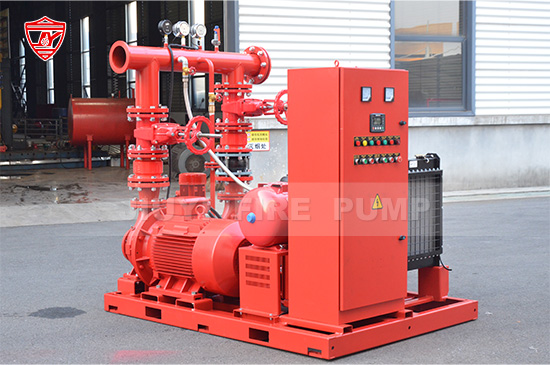
High-rise buildings face unique fire protection challenges due to their height, complex layouts, and large occupant populations. Fire pumps are essential for overcoming these challenges by providing the water pressure and flow necessary for effective fire suppression.
From supporting sprinkler systems and firefighter operations to meeting regulatory standards and protecting human life, fire pumps play a central role in modern high-rise fire safety.
As cities continue to build taller structures, reliable fire pump systems will remain one of the most important investments in building safety and fire protection infrastructure.