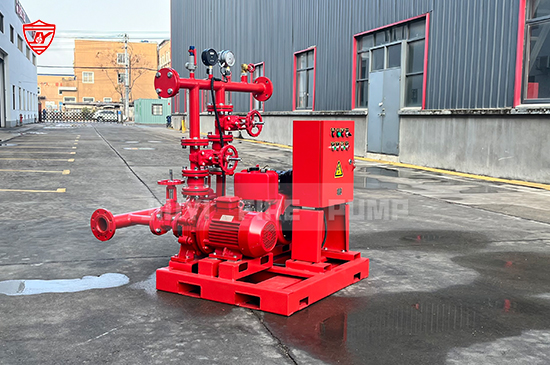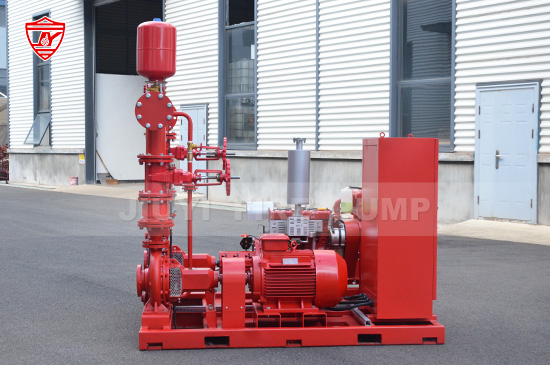
Fire pumps play a critical role in fire protection systems. In commercial buildings, industrial facilities, warehouses, high-rise structures, and manufacturing plants, fire pumps ensure that sprinkler systems and hydrants receive adequate water pressure during emergencies. Without a properly functioning fire pump, even a well-designed fire protection system may fail when it is needed most.
Because fire pumps are emergency equipment, they often remain idle for long periods. This creates a dangerous misconception that the system is operating correctly simply because no visible issues exist. In reality, hidden mechanical, electrical, or operational problems can develop over time without warning. Regular inspection is the only reliable way to ensure that the pump will perform effectively during a fire emergency.
Routine fire pump inspection is not only important for safety but also essential for regulatory compliance, operational reliability, equipment longevity, and cost control. Understanding why inspections matter helps building owners, contractors, facility managers, and fire protection professionals maintain a dependable fire safety system.
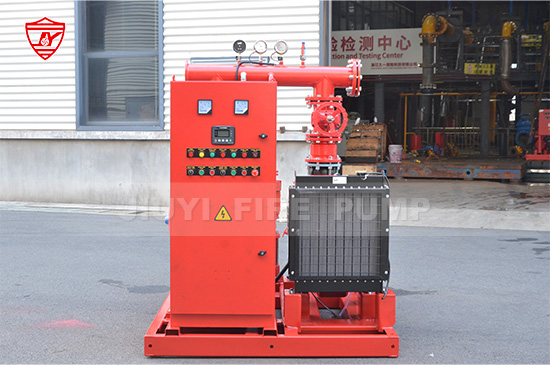
A fire pump is designed to increase water pressure within a fire suppression system. When the available water supply cannot provide sufficient pressure, the fire pump activates automatically and delivers the required flow to sprinklers, standpipes, or hydrant systems.
Fire pumps are commonly installed in:
These environments often require immediate and reliable fire suppression to protect lives, property, and business operations. If a fire pump fails during an emergency, the consequences can be catastrophic.
Regular inspections help verify that all pump components are functioning properly and ready for operation at any moment.
Unlike everyday industrial pumps, fire pumps may sit unused for weeks or months. Since they operate primarily during testing or emergencies, hidden issues can easily develop unnoticed.
Some common problems caused by inactivity include:
Without scheduled inspection and testing, these problems may only become apparent during an actual fire emergency, when failure is unacceptable.
Routine inspections ensure that the pump remains operational despite long standby periods.
The primary purpose of fire pump inspection is to confirm that the system is fully prepared for emergency operation.
During a fire, there is no time for troubleshooting or repairs. The pump must start immediately and maintain stable pressure throughout the suppression process. Even a small malfunction can reduce firefighting effectiveness and increase fire damage.
Inspections verify critical operating conditions such as:
By identifying weaknesses before an emergency occurs, inspections greatly reduce the risk of system failure.
Fire pump maintenance and inspection are governed by fire protection standards such as NFPA 25, which outlines the inspection, testing, and maintenance requirements for water-based fire protection systems.
NFPA standards typically require:
Failure to comply with these requirements can result in:
For commercial and industrial facilities, maintaining compliance is essential not only for operational approval but also for insurance and risk management purposes.
Regular inspections provide documented proof that the fire pump system is properly maintained according to industry standards.
One of the greatest advantages of regular inspection is early problem detection.
Minor issues that seem insignificant can eventually develop into major mechanical failures. For example:
Detecting these problems early allows maintenance teams to perform repairs before expensive damage occurs.
Preventive maintenance is significantly more cost-effective than emergency repair or full equipment replacement. It also minimizes operational disruptions and reduces downtime risks.
Reliability is one of the most important characteristics of any fire protection system. Fire pumps must operate under high-pressure conditions and maintain consistent performance throughout the emergency response period.
Regular inspection improves reliability by ensuring that:
Reliable fire pumps provide building owners and facility managers with confidence that their systems are prepared to respond effectively when needed.
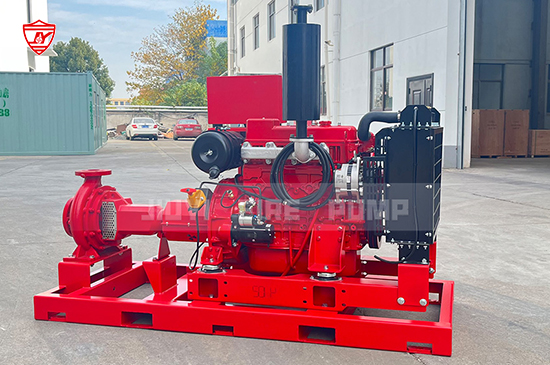
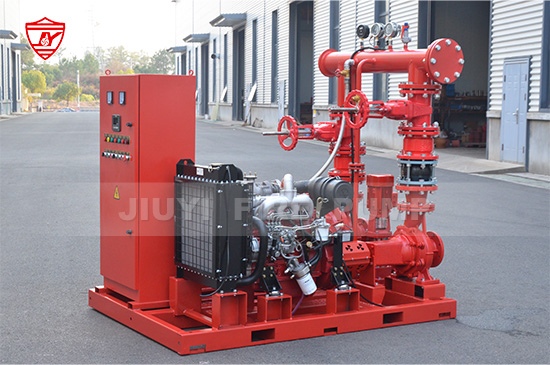
Diesel engine fire pumps are widely used because they can operate independently of external electrical power. However, diesel systems require more frequent inspection than electric fire pumps due to their additional mechanical components.
Critical inspection areas for diesel fire pumps include:
Diesel fuel can degrade over time, batteries can lose charge, and cooling systems may develop leaks. Regular inspection helps prevent engine startup failure during emergencies.
Weekly no-flow testing is particularly important for diesel fire pump systems to confirm proper engine operation.
Although electric fire pumps generally require less mechanical maintenance, they still need regular inspection and testing.
Important inspection points include:
Electrical issues can develop gradually and may remain hidden until the system attempts to start under emergency conditions.
Routine testing ensures that electric fire pumps can start automatically and maintain the required pressure without interruption.
Visual inspection alone is not enough to verify fire pump performance. Flow testing is necessary to confirm that the pump can deliver the required pressure and water volume.
Annual fire pump flow tests typically evaluate:
These tests help identify performance degradation caused by wear, impeller damage, suction problems, or pipe obstruction.
Flow testing also establishes performance benchmarks that can be compared over time to detect gradual efficiency loss.
Fire pumps represent a major investment for commercial and industrial facilities. Regular inspection and maintenance help protect that investment by extending equipment lifespan.
Properly maintained pumps experience:
Neglected systems often suffer from accelerated deterioration, resulting in expensive repairs or premature replacement.
Routine inspection helps maximize the service life of:
Longer equipment lifespan reduces overall ownership costs and improves return on investment.
Fire pump failure can create serious financial and operational consequences.
Potential risks include:
In many industries, uninterrupted fire protection is essential for operational continuity. Warehouses, manufacturing plants, oil facilities, and data centers cannot afford fire system failure.
Regular inspection reduces these risks by ensuring that the fire protection system remains dependable and compliant.
A typical fire pump inspection may include the following items:
Maintaining detailed inspection records also helps track system condition over time and supports regulatory compliance.
While basic visual inspections can be performed by trained facility personnel, comprehensive fire pump maintenance should be conducted by qualified professionals.
Experienced technicians understand:
Professional maintenance providers can identify hidden problems that may not be visible during routine observation.
Using certified fire protection specialists helps ensure that inspections are accurate, thorough, and compliant with applicable standards.
Fire pumps are among the most important components of any fire protection system. Their ability to provide reliable water pressure during emergencies directly affects the effectiveness of sprinklers, hydrants, and suppression systems.
Because fire pumps often remain inactive for extended periods, regular inspection is essential to ensure operational readiness. Routine inspections help detect problems early, improve reliability, maintain NFPA compliance, extend equipment lifespan, and reduce safety risks.
Whether using electric fire pumps or diesel engine fire pumps, facility owners and fire protection professionals should implement a consistent inspection and maintenance program to ensure dependable performance when emergencies occur.